















Smart Home Sensors
Sensors are what turn a house full of remote controls into one that acts on its own. They watch for something happening, motion, an open door, a circuit drawing power, and hand that to whatever should respond.
A sensor is an input
On its own a sensor does nothing you can see. It reports a change to your hub or app, and something else acts on it. That is why a sensor is only worth buying once you have something for it to trigger.
Battery or wired
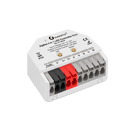
Most sensors run on a coin cell or AAAs for a year or more, which is what lets them go anywhere. Anything measuring mains power is wired in instead, because it has to sit on the circuit it is reading.
How they report
Zigbee and Thread sensors are the common ones, and both need a hub. Wi-Fi sensors avoid the hub but cost more battery. Bluetooth sensors are cheap and need a nearby mains-powered device to relay them.
Placement decides everything
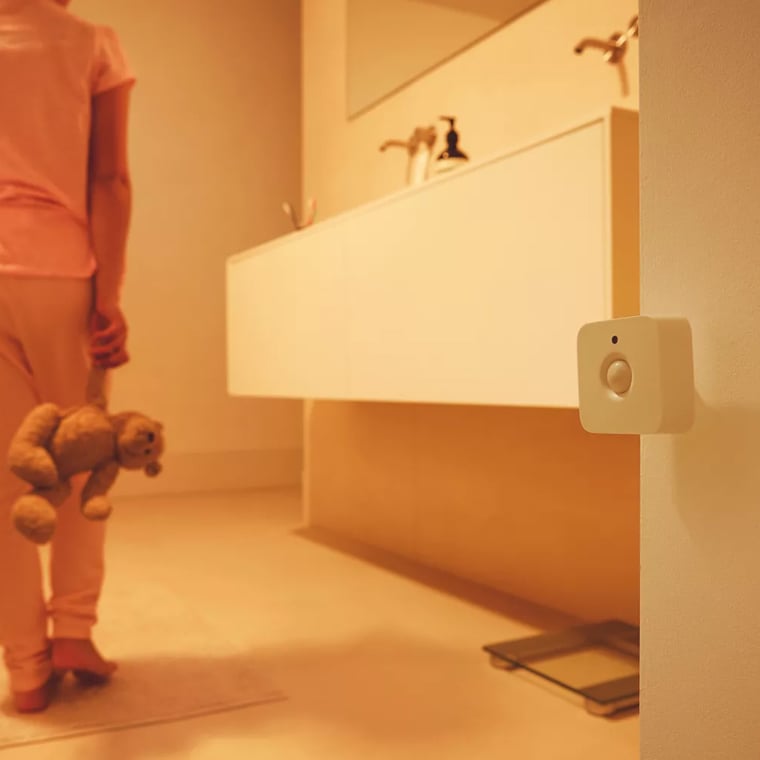
A motion sensor aimed at a doorway behaves completely differently from one aimed at a couch, and a leak sensor is only as good as the spot you put it. Sensors reward thinking about the exact position more than any other category here.
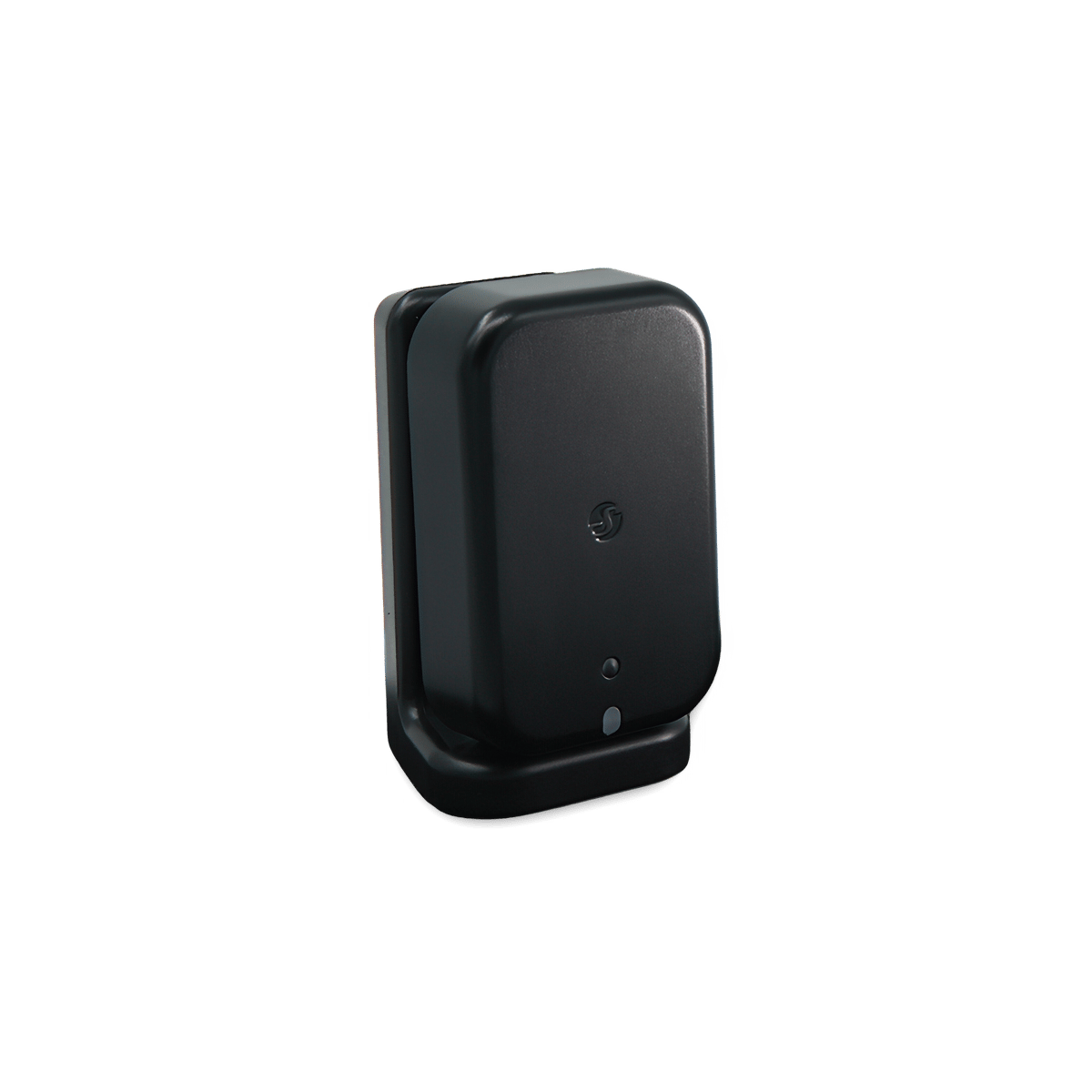


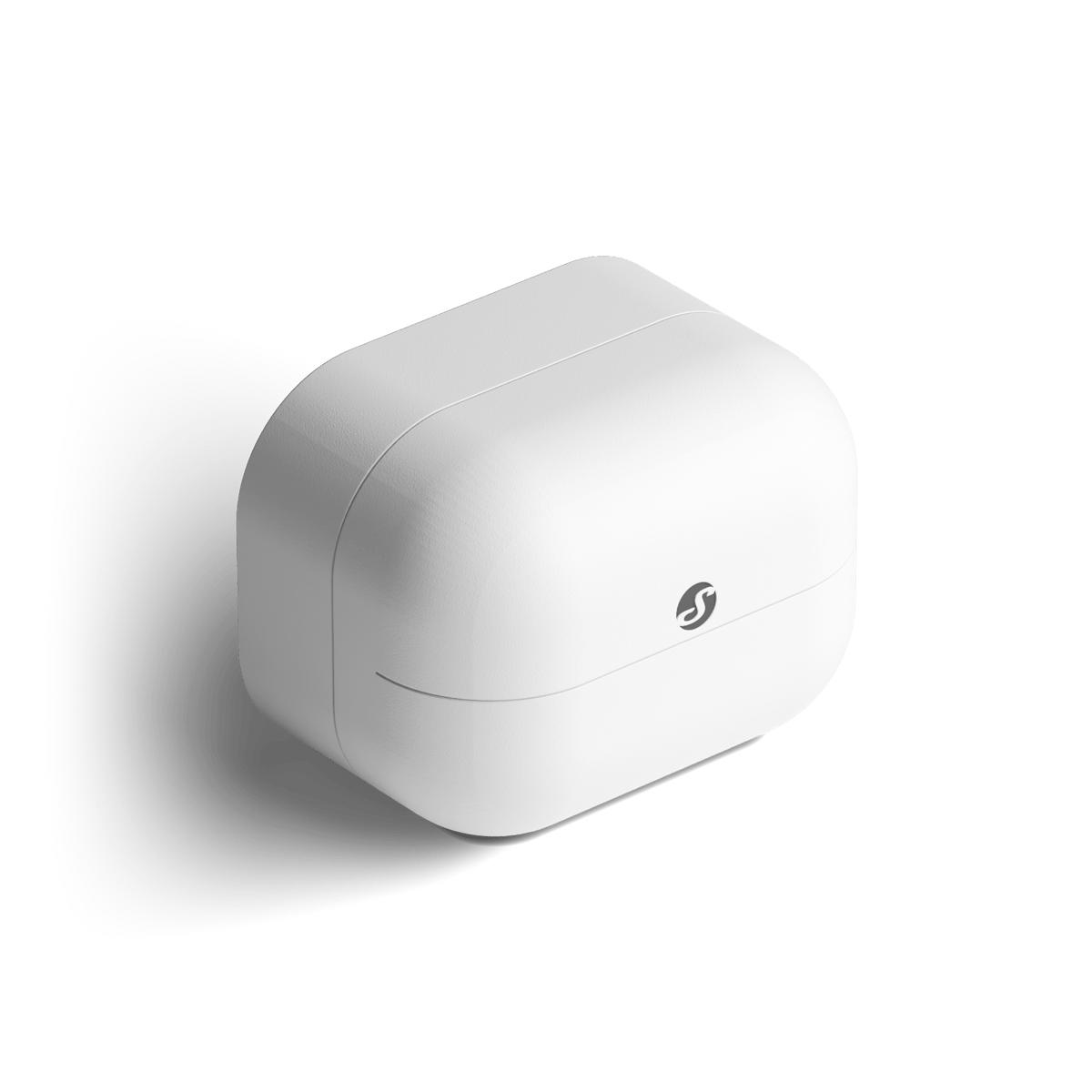
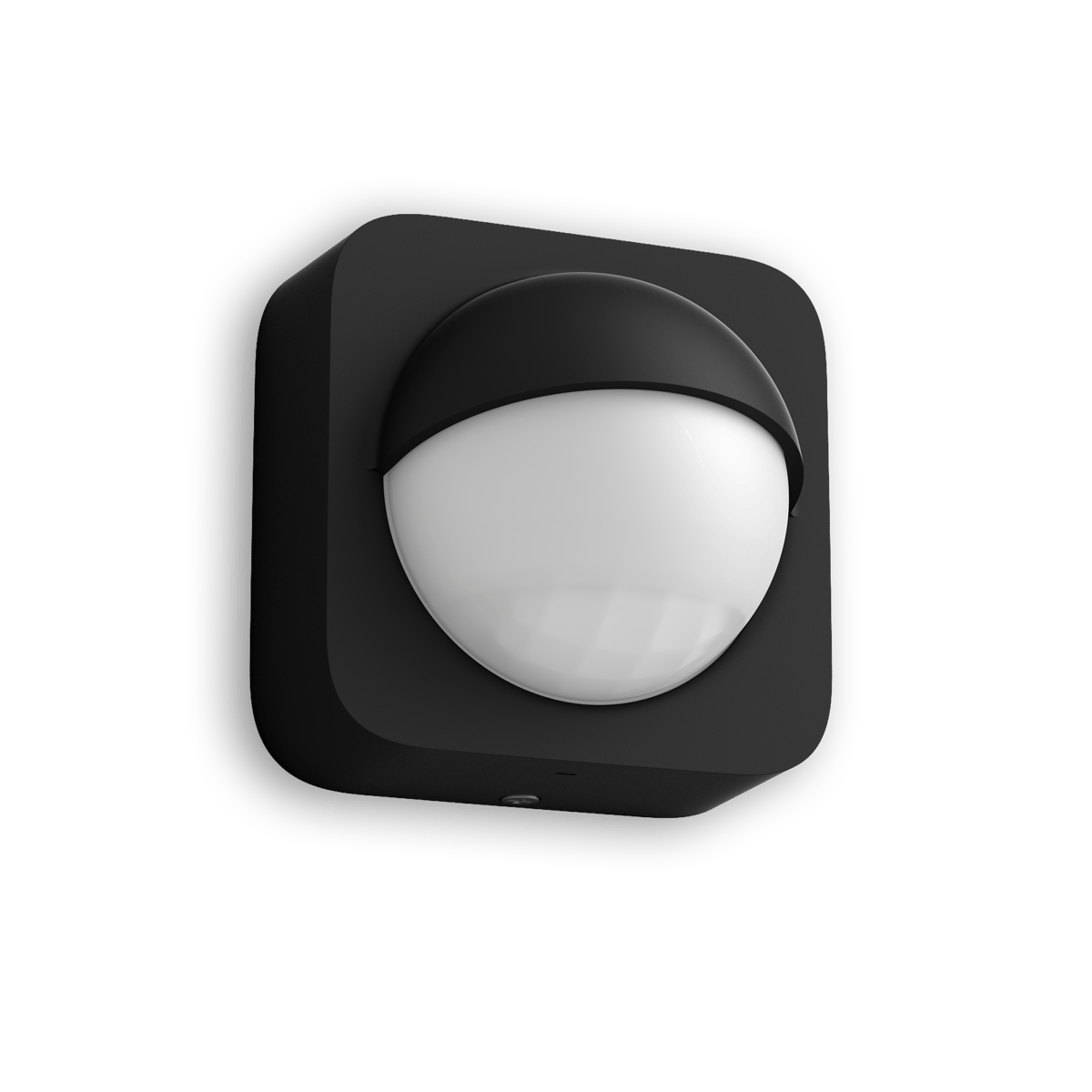
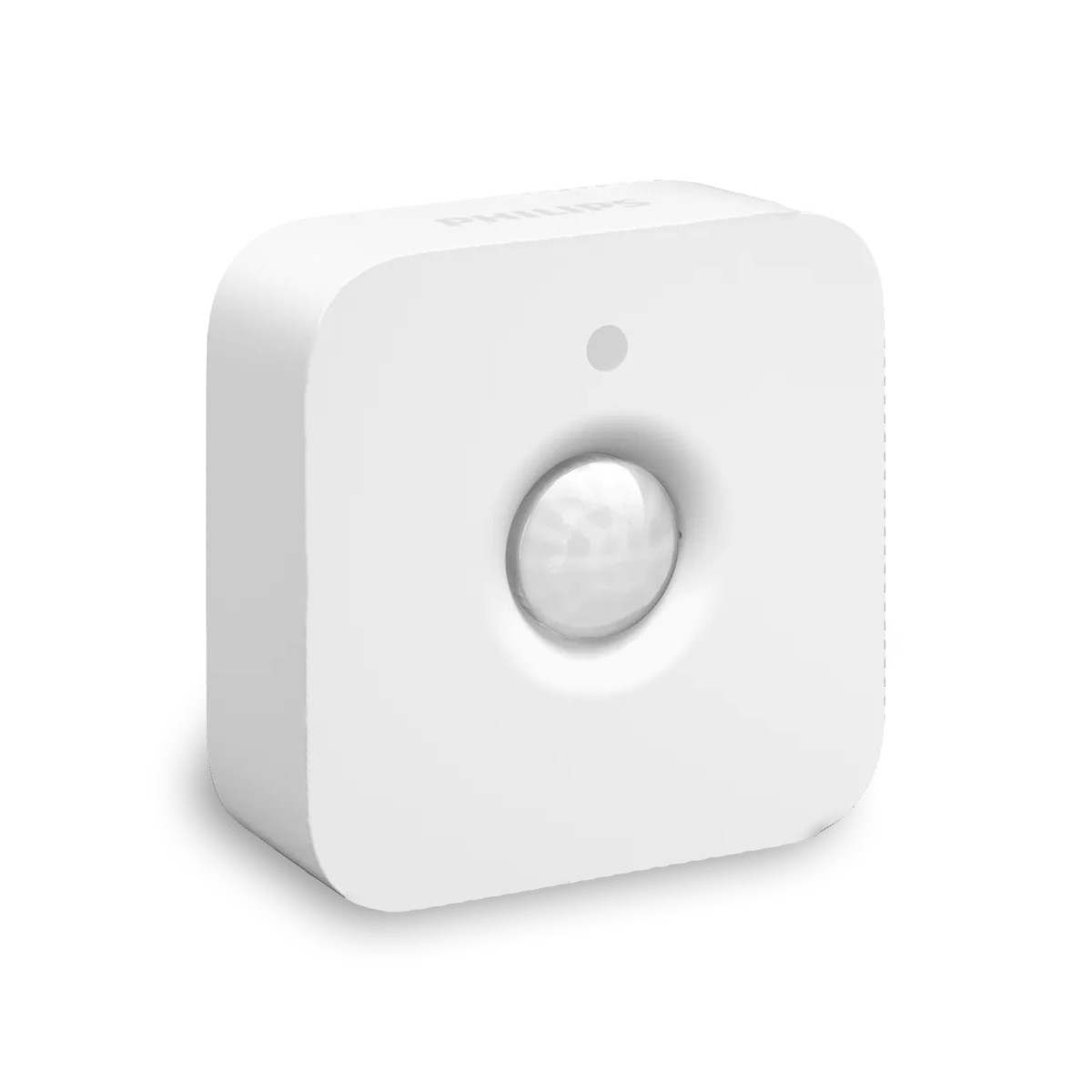

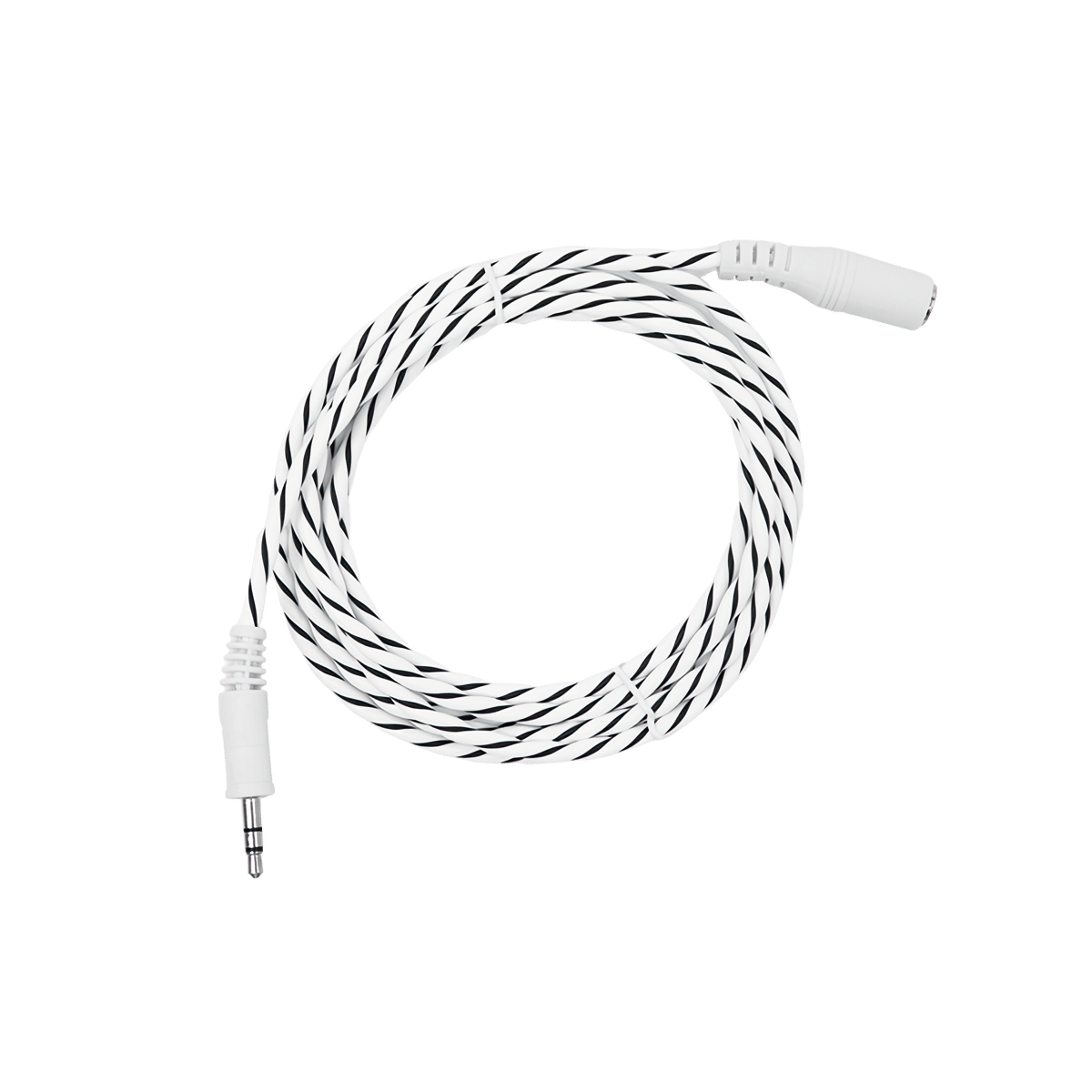
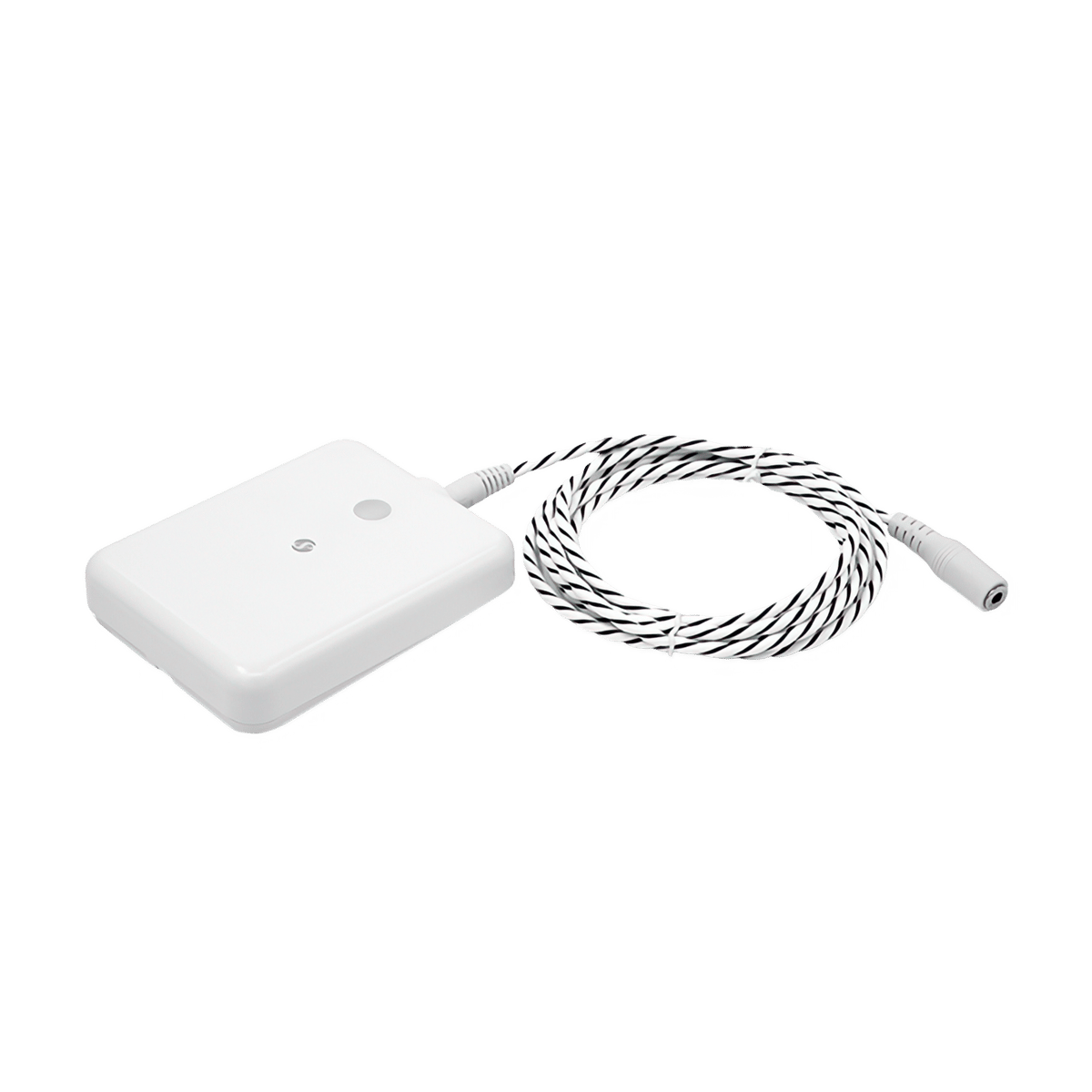

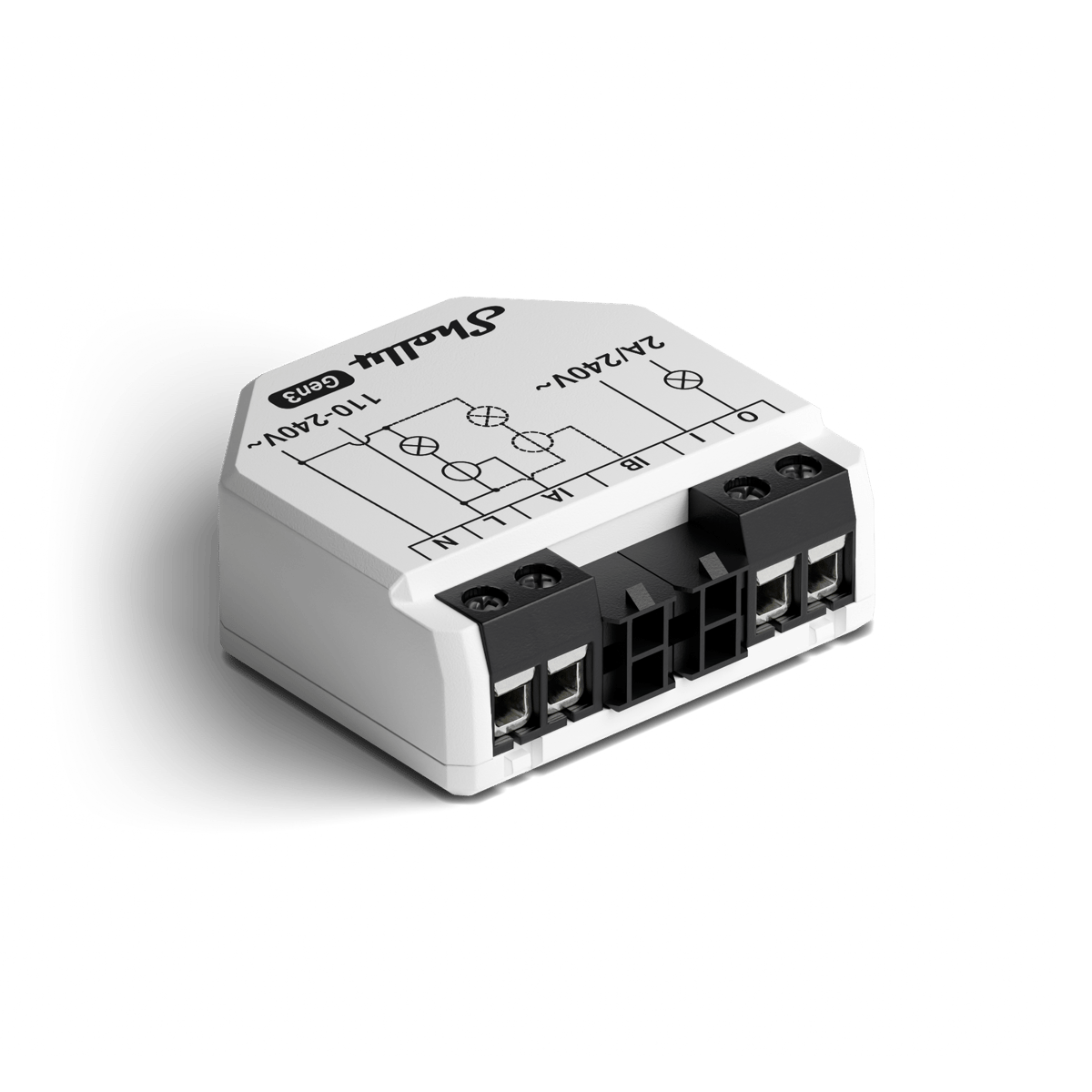
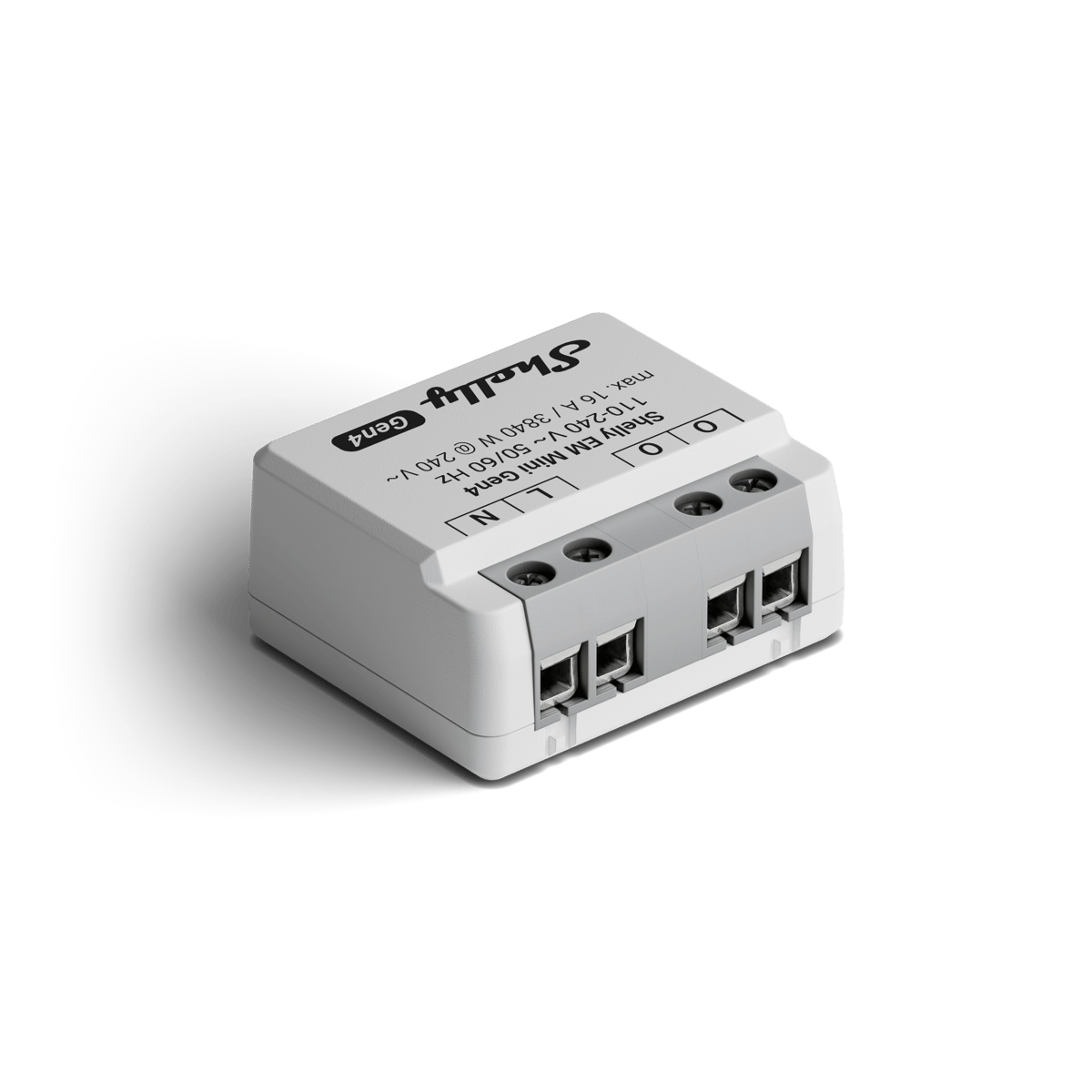





More about smart sensors
Choosing a smart home sensor.
Buy the trigger with the thing it triggers
A sensor with nothing to act on is a notification you will mute inside a week. Work out what should happen first, the hallway light coming on or the fan running after a shower, then buy the sensor that makes it happen.
Check what it needs to reach you
Most sensors are Zigbee or Thread, which means a hub. Some are Bluetooth and need a mains-powered device nearby to relay them. Neither is a problem if you know before you order; both are annoying to discover afterwards.
Energy sensors are their own thing
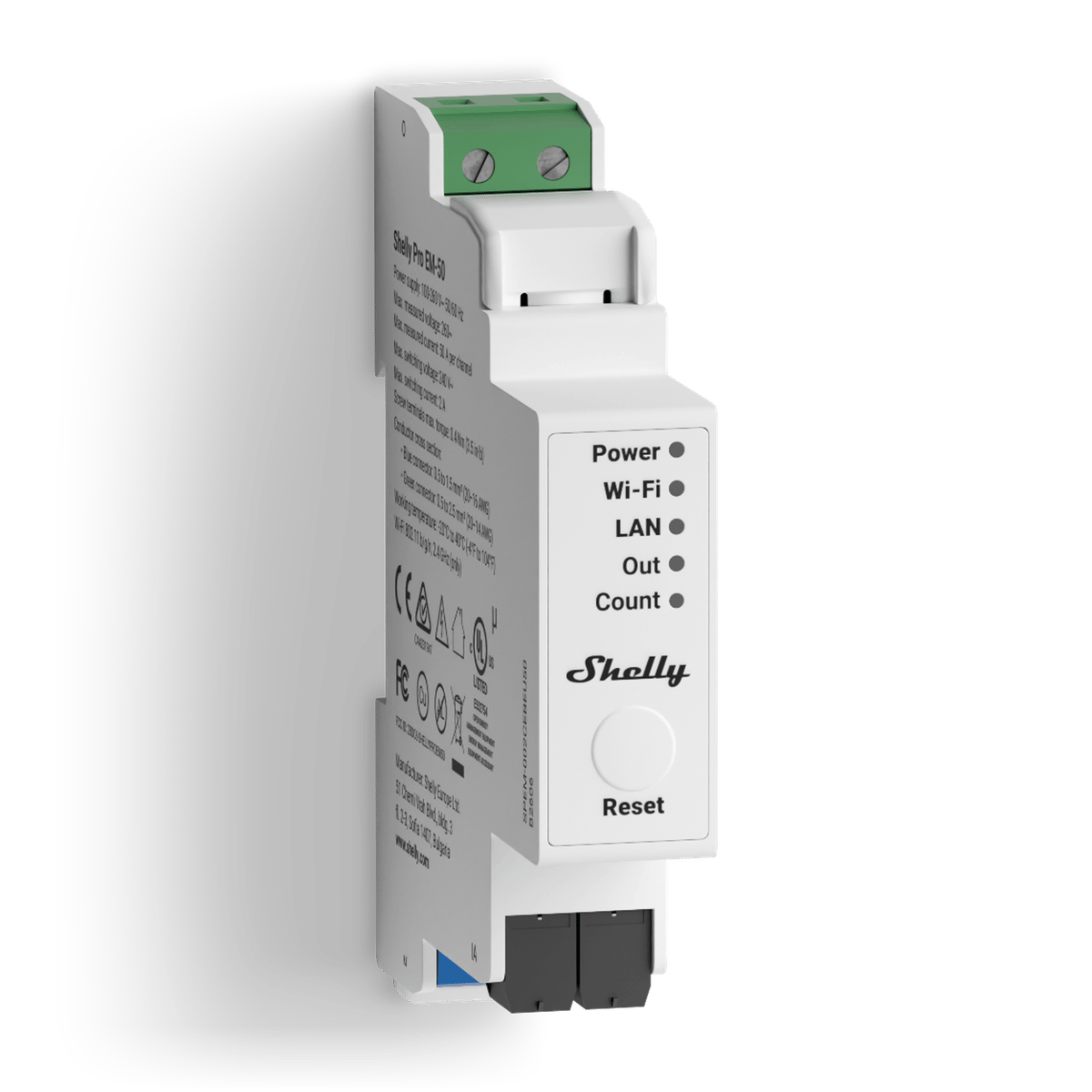
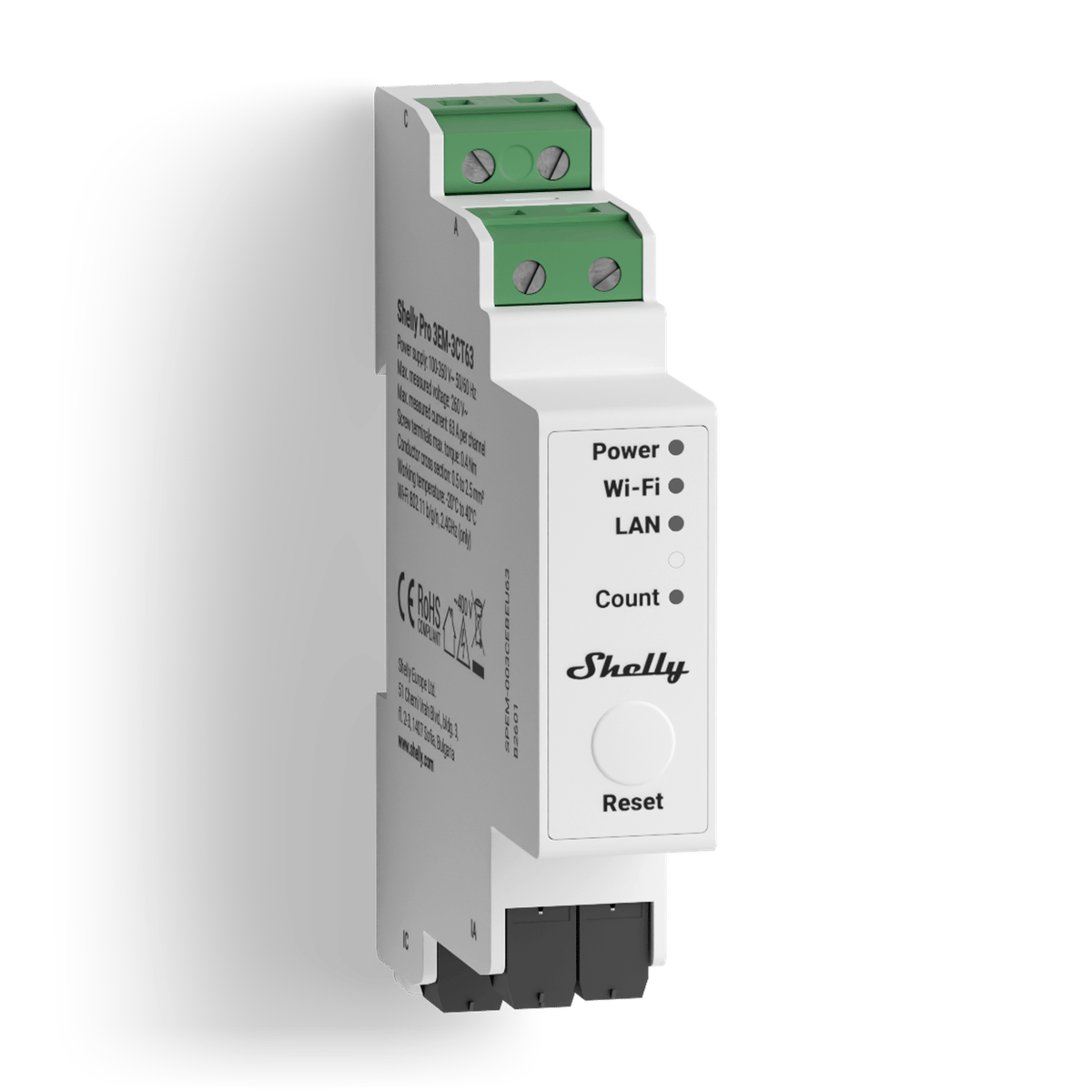
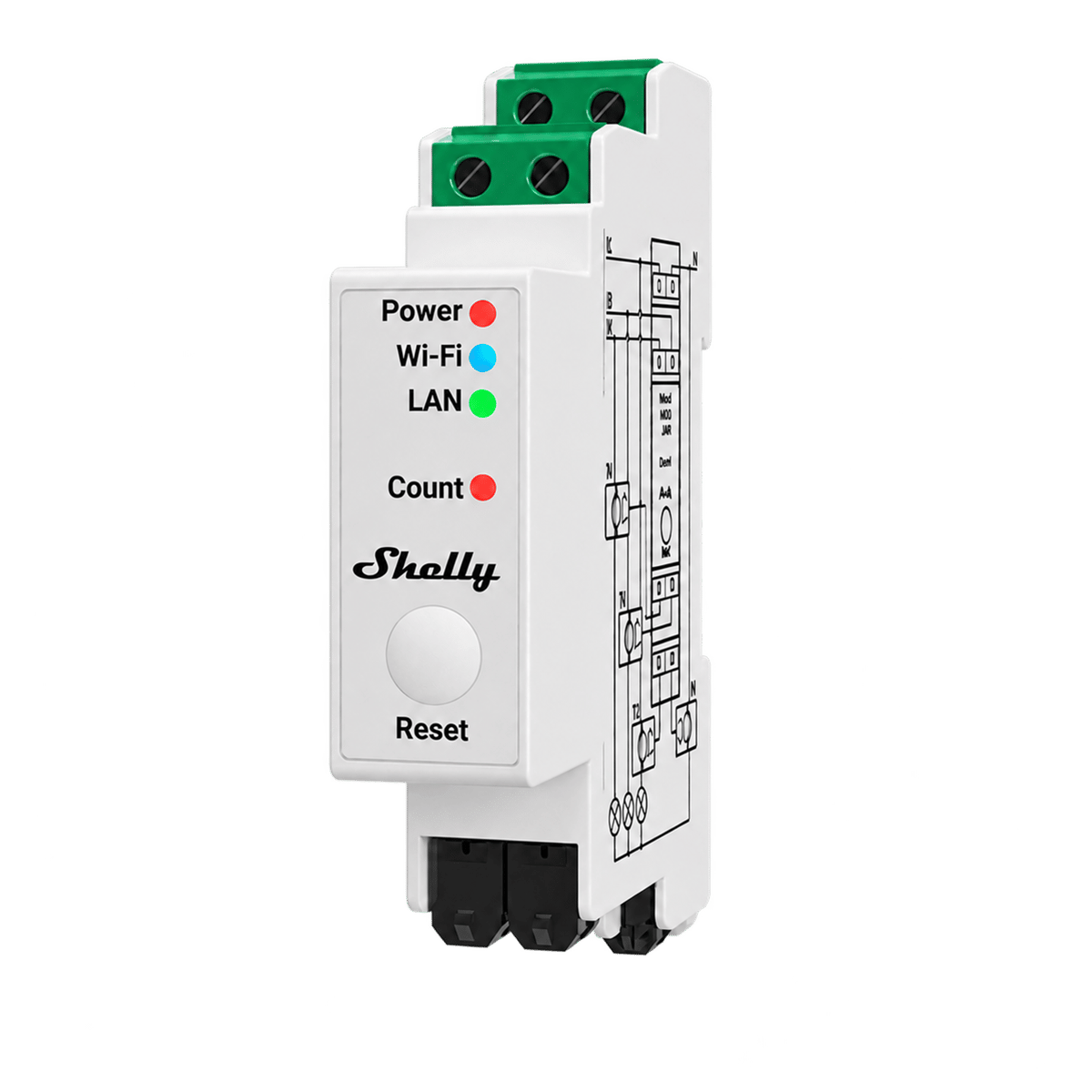
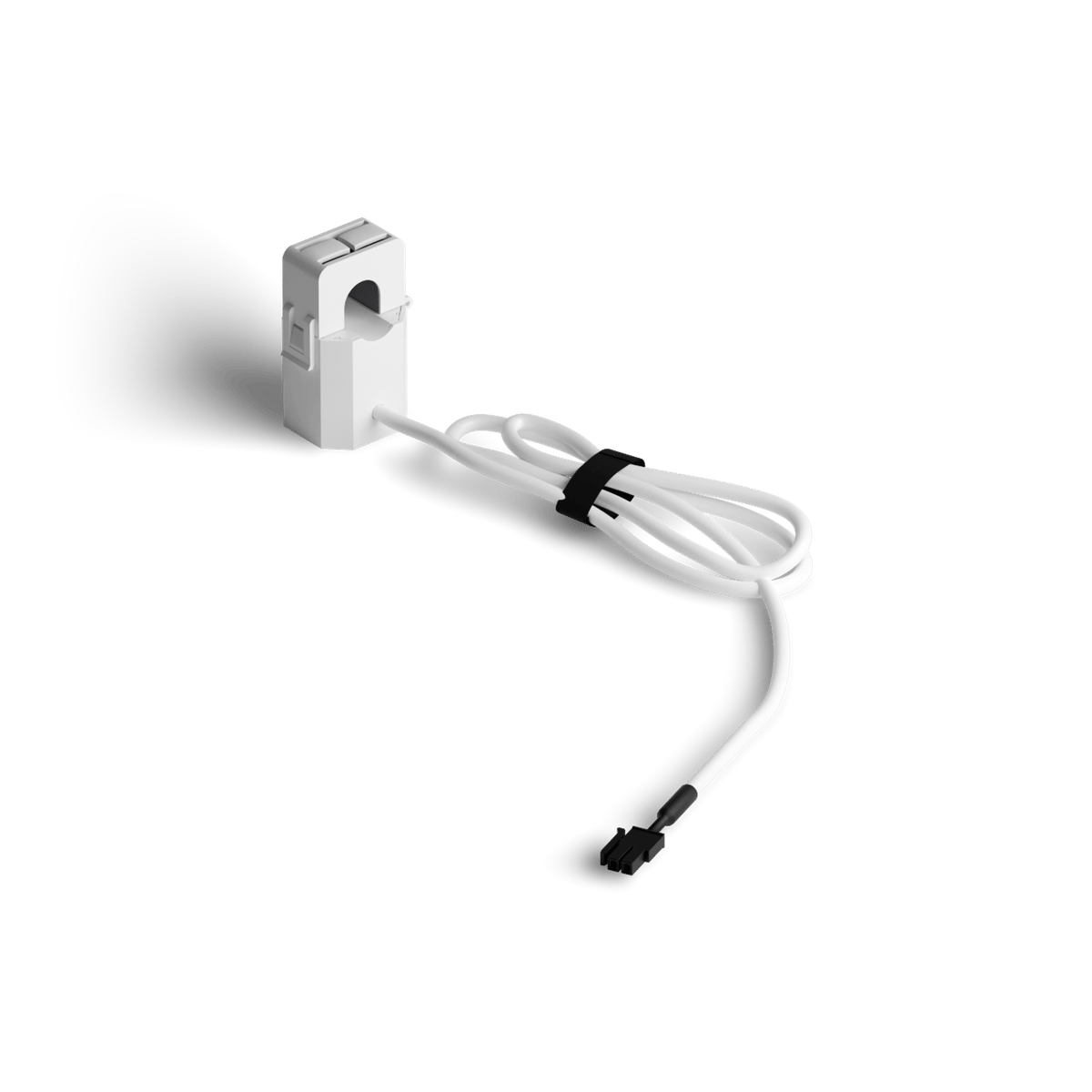
A meter measures rather than detects. It sits on a circuit or clamps around a cable and tells you what that circuit costs to run, which is a different job from watching a room and needs an electrician rather than a spot on a shelf.
Motion, presence, or both
A motion sensor sees movement and goes quiet when you sit still. A presence sensor keeps up with a still room. Our motion sensors page covers which one suits which room.
Common questions
Quick answers before you buy. We test this gear ourselves. Can't find yours? Ask our Melbourne team
Most of them, yes. Zigbee and Thread sensors cannot reach your network on their own and need a hub or bridge to join. Wi-Fi sensors connect directly but use more battery, and Bluetooth sensors need a mains-powered device nearby to pass their readings along.
Usually one to two years on a coin cell, longer on AAAs, depending on how often the sensor has something to report. A motion sensor in a busy hallway works harder than a door sensor on a spare room. Most will warn you in the app before they go flat.
The sensor itself always reports locally to its hub. Whether anything happens next depends on where the automation lives: a rule stored on the hub still fires, one that runs in a manufacturer's cloud does not. Local rules are the ones to build the house on.