








Energy monitors
An energy monitor shows what a circuit costs to run as it happens, rather than what the quarterly bill says the whole house did. Fit one to a single appliance, or to the mains where everything lands.
Inline or clamped
An inline meter wires into the circuit and the current runs through it, so the meter's own rating caps what it can measure. A clamp closes around a wire from the outside, so nothing is cut, and a large enough clamp can measure a whole house.
One circuit or the whole board
A single-circuit meter answers what the hot water or the air conditioner costs. A whole house energy monitor clamps the mains where they enter the switchboard and answers what the house draws in total, which is the one that changes behaviour.
Single-phase and three-phase
Most Australian homes are single-phase. Larger ones, and those with ducted air conditioning, a pool or an EV charger, are often three-phase and need a meter that reads all three.
It measures, it does not switch
A meter tells you what a circuit is doing. Switching it is a relay's job, though a few meters include a switching output. Most people measure first and automate second.
Sensors · 8 products Energy Monitoring at Synced Australian stock


Filter guide
Which protocol should I pick?
Protocols are the wireless languages smart devices use to talk to each other. Some need a hub, some run straight off your Wi-Fi. Here's what each one means for your setup.
-
Zigbee
Low-power meshThe cleanest mesh for a bigger setup. Every mains-powered device repeats the signal, so coverage grows as you add more. Needs a hub like a Hue Bridge or SmartThings.
-
Wi-Fi
No hub neededThe simplest way to start. Plugs into your existing Wi-Fi with no extra hardware. Best for a handful of devices; very large setups can crowd the network.
-
Ethernet
Wired to your routerThe steadiest connection you can give a device. A cable means no Wi-Fi congestion and nothing to drop out, which is why hubs, panels and cameras so often offer it. The catch is physical: it has to sit within cable reach of a network port.
-
Bluetooth
Direct, short-rangeGood for setup and close-range control from your phone. Range is short with no remote access on its own, so it's often paired with a hub or bridge.


None selected
Compatibility guide
Which platforms does it work with?
Works with shows the smart home platforms a device pairs with, so you can control it from the app and voice assistant you already have. Here's what each one is.
-
Apple Home
Apple ecosystemPairs with Apple Home, so you control it from the Home app and Siri across your Apple devices. Look for this if your household runs on iPhones.
-
Google Home
Google ecosystemWorks with the Google Home app and Google Assistant, for voice control through Nest speakers and displays or your Android phone.
-
Amazon Alexa
Alexa voicePairs with Amazon Alexa, so you can control it by voice through any Echo speaker or display and the Alexa app.
-
Samsung SmartThings
SmartThings hubWorks with Samsung SmartThings, controlled from the SmartThings app. Handy if you've already built your setup around Samsung phones or appliances.
-
Home Assistant
Open-source hubWorks with Home Assistant, the open-source platform for people who want full local control and custom automations. More hands-on, very flexible.


None selected
Filter guide
What's a channel?
A channel is one output the device controls on its own. On a relay, each channel switches one circuit, so a 2-channel relay runs two lights separately. On an LED strip controller, each channel drives one colour line of the strip.
-
One channel
Switches one circuitSwitches one thing on its own: a light, a fan, an exhaust.
-
Two channels
Switches two circuitsTwo circuits controlled separately, like both halves of a double switch.
-
Three channels
Switches three circuitsThree circuits from one module, each on its own control.
None selected
Tap energy monitoring to compare them
That's the most you can compare at once




No products match those filters.
Also meters power · 10 products
A switch first, an energy monitor device second.
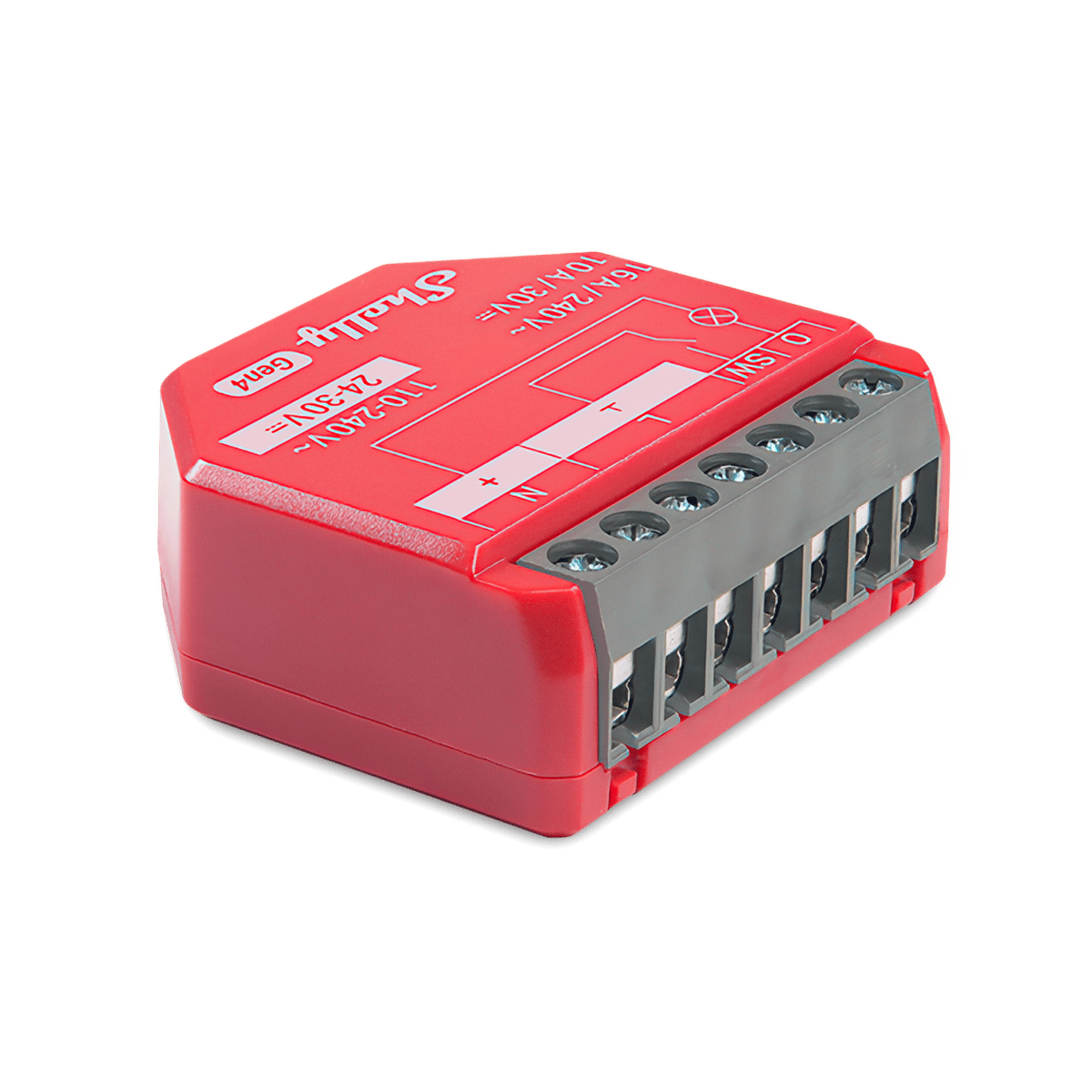
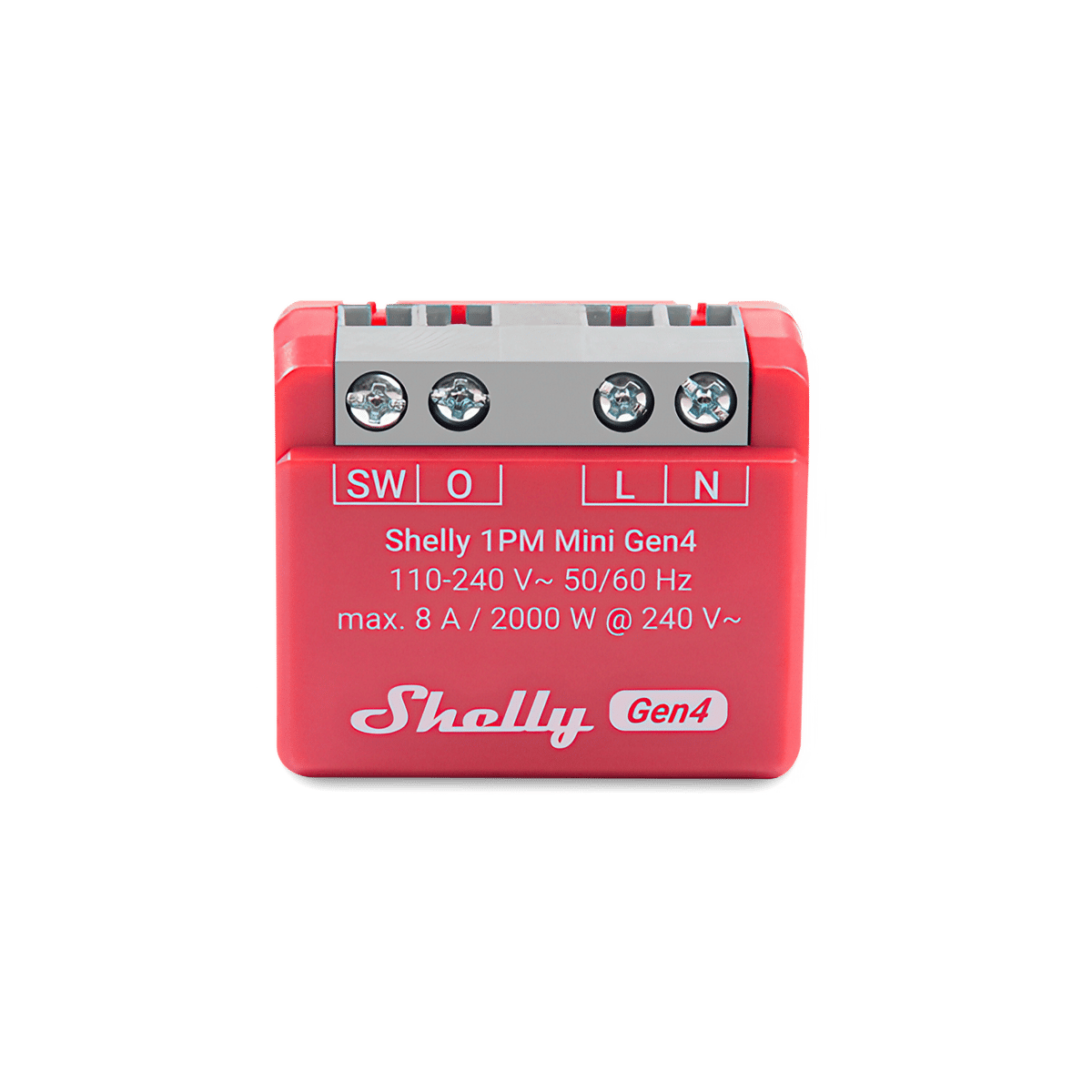
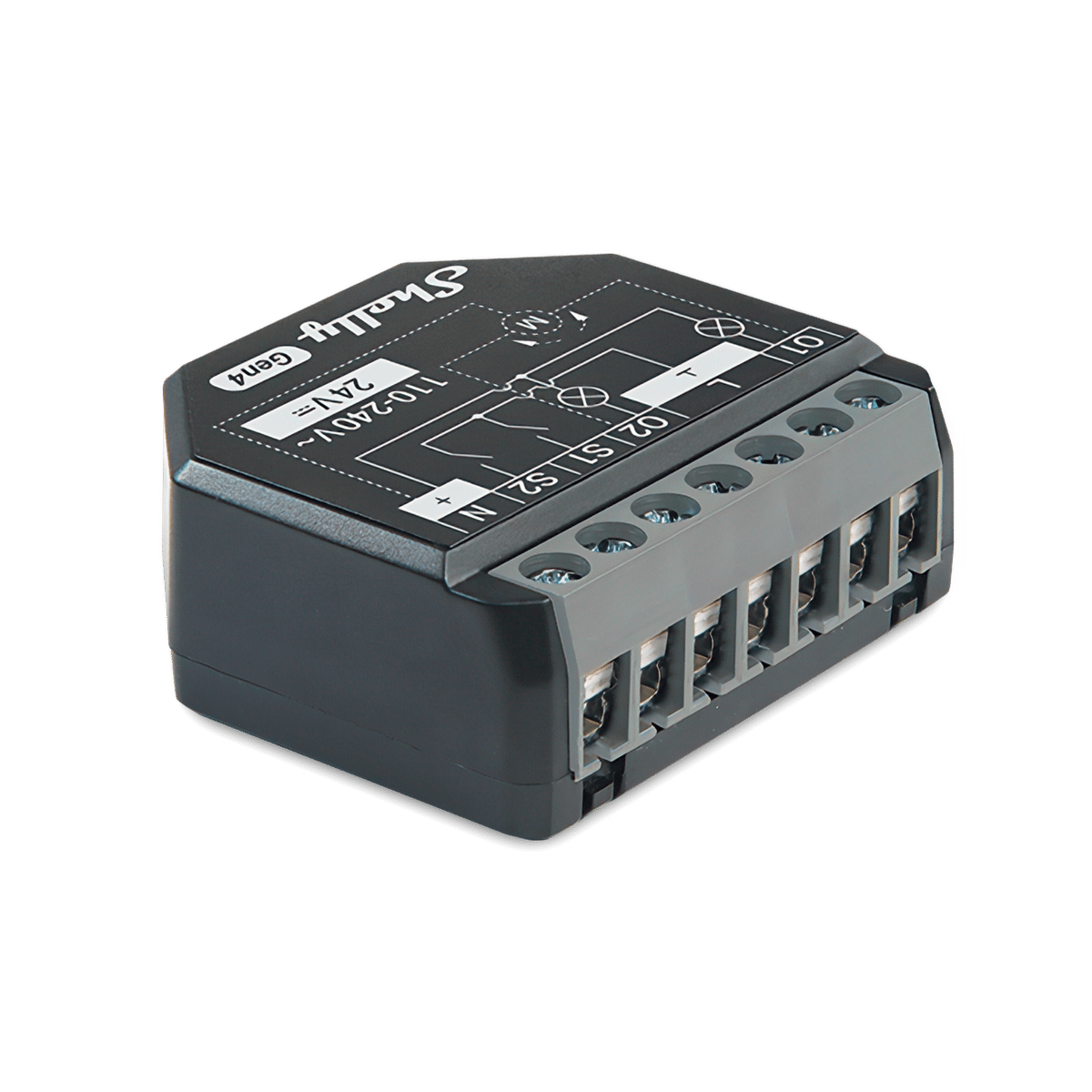
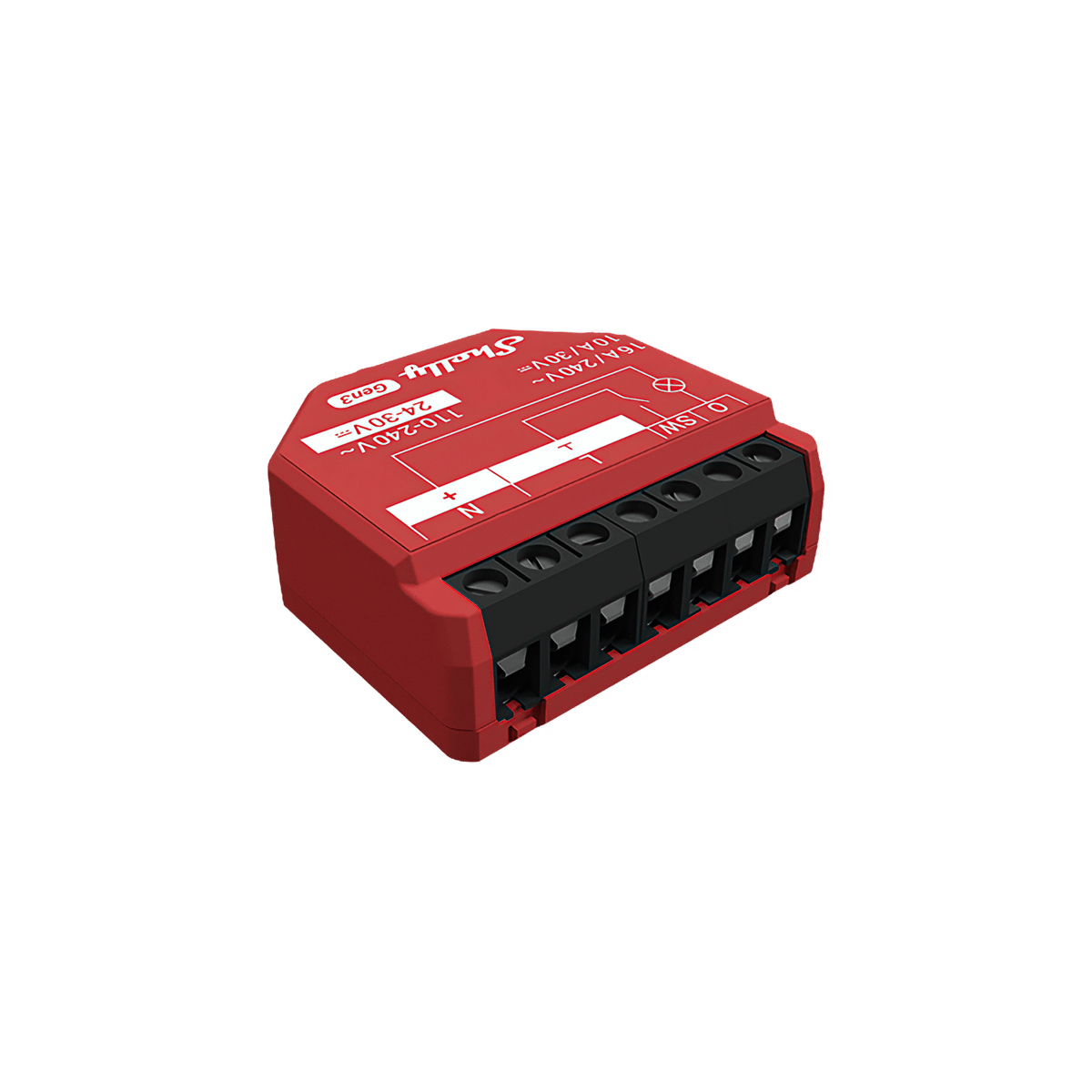
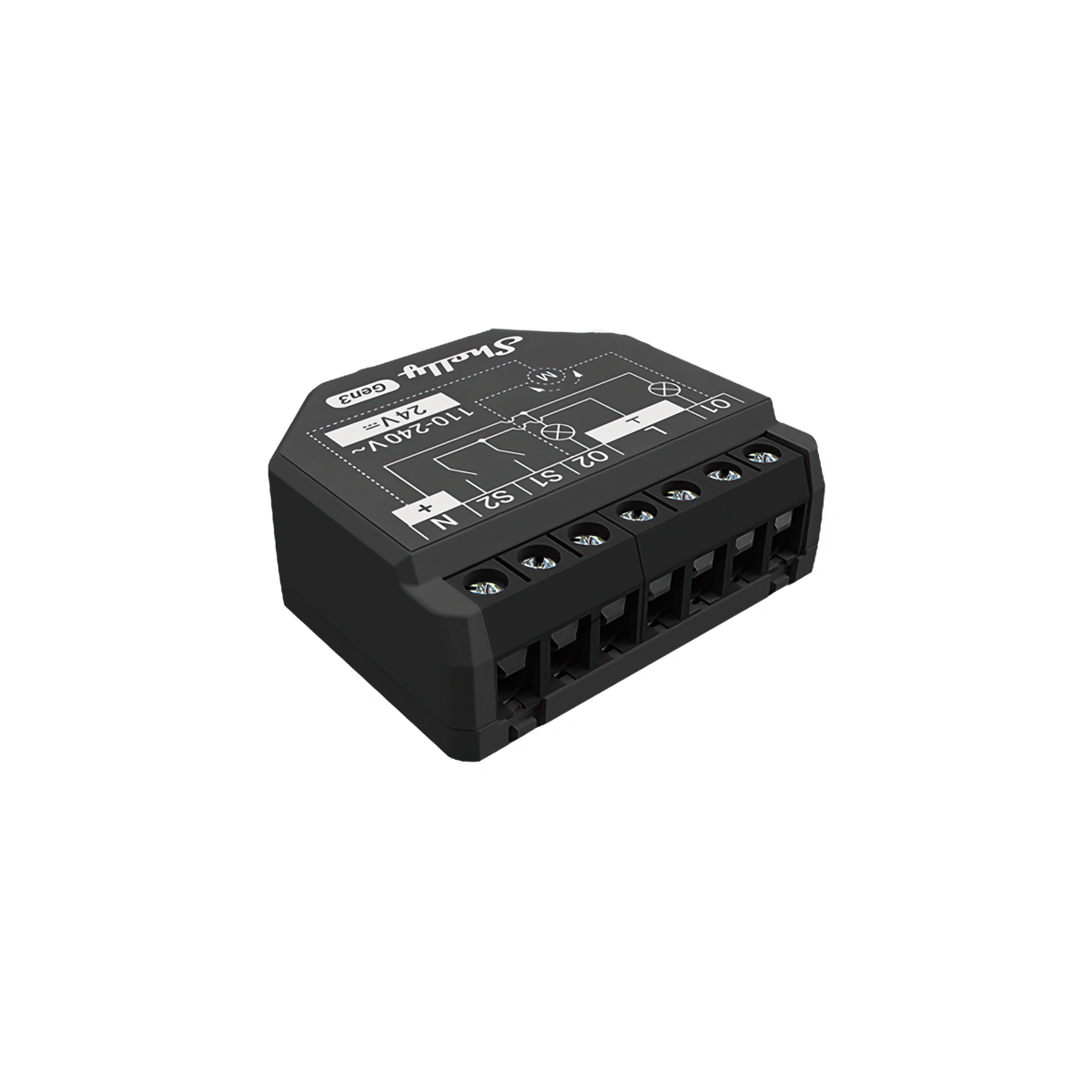
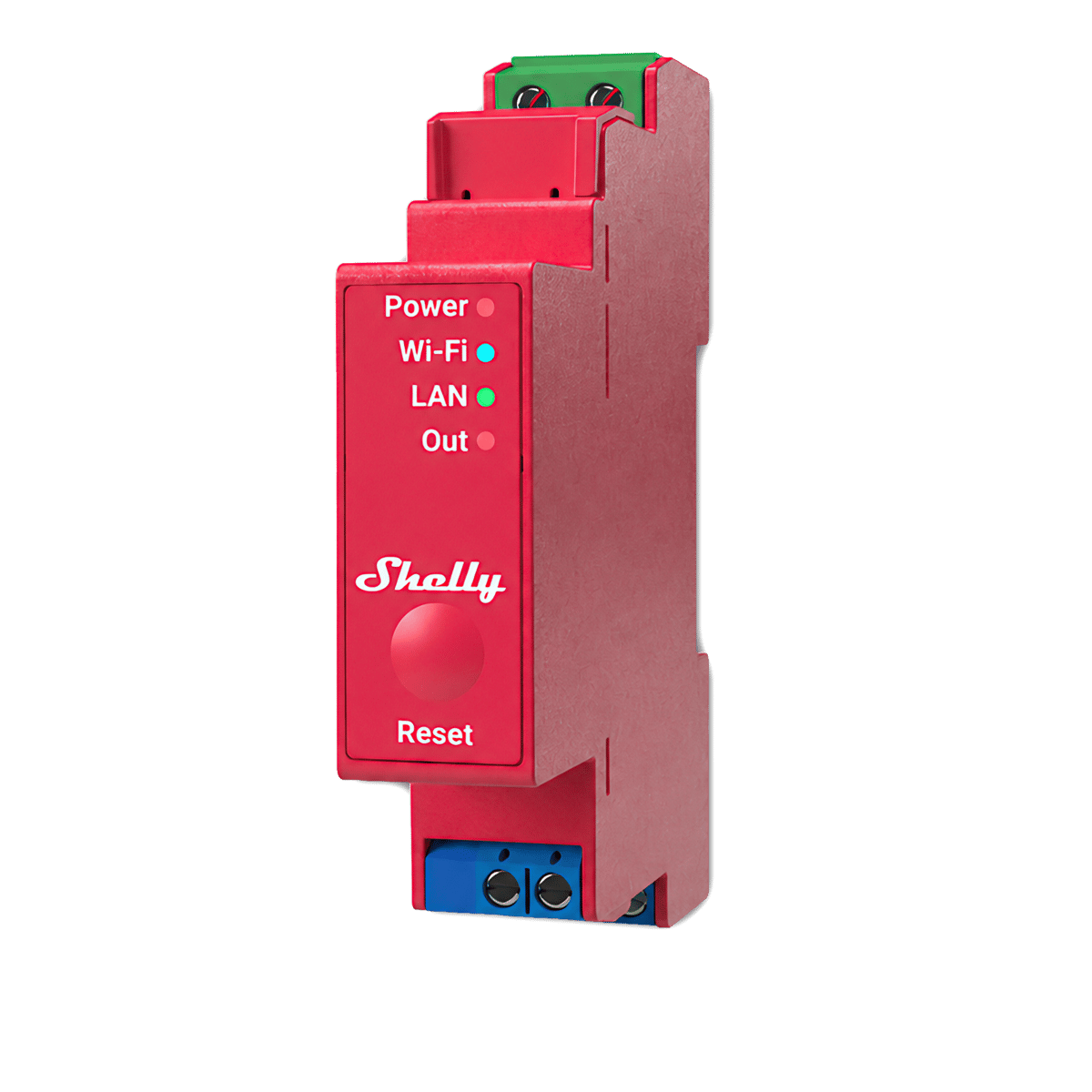
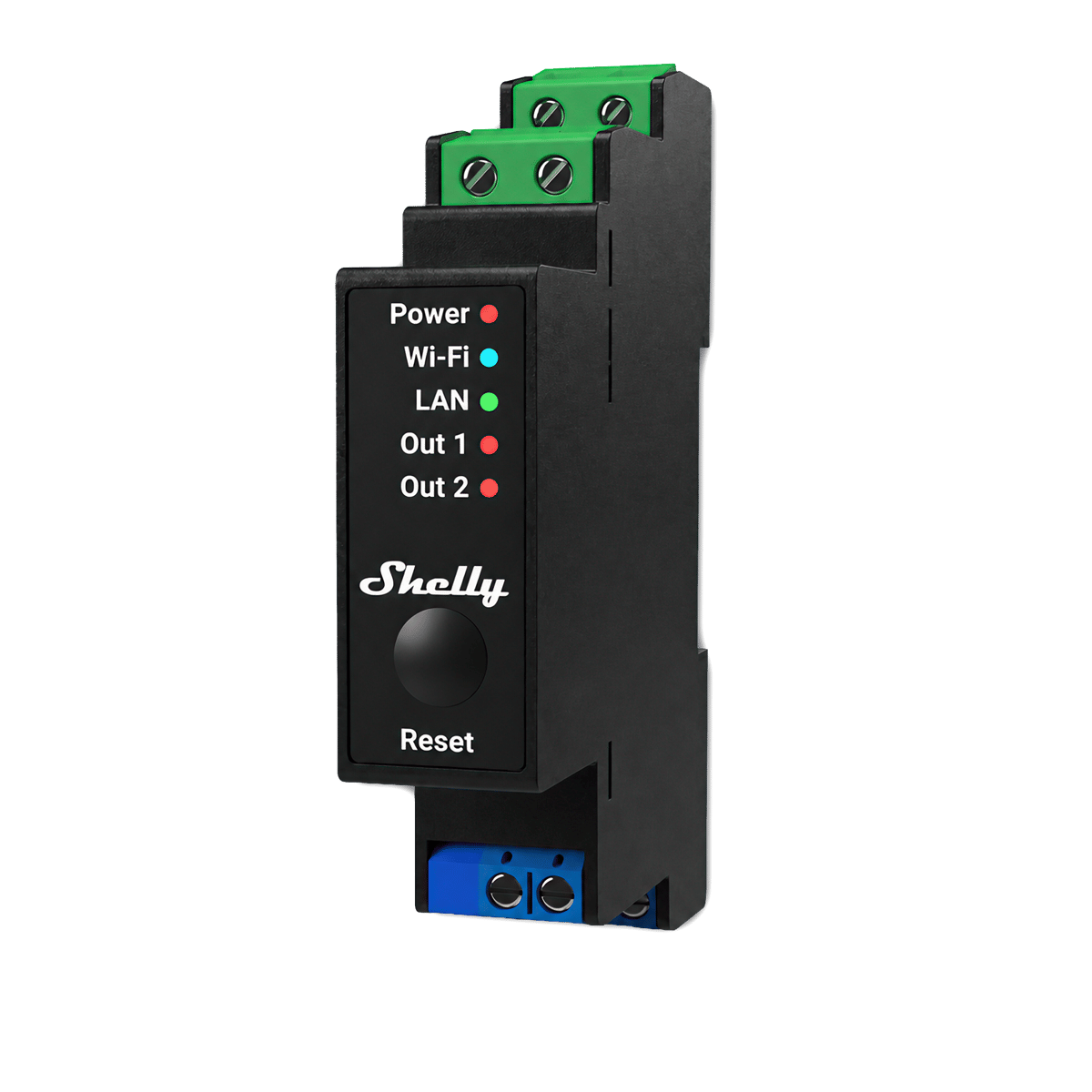
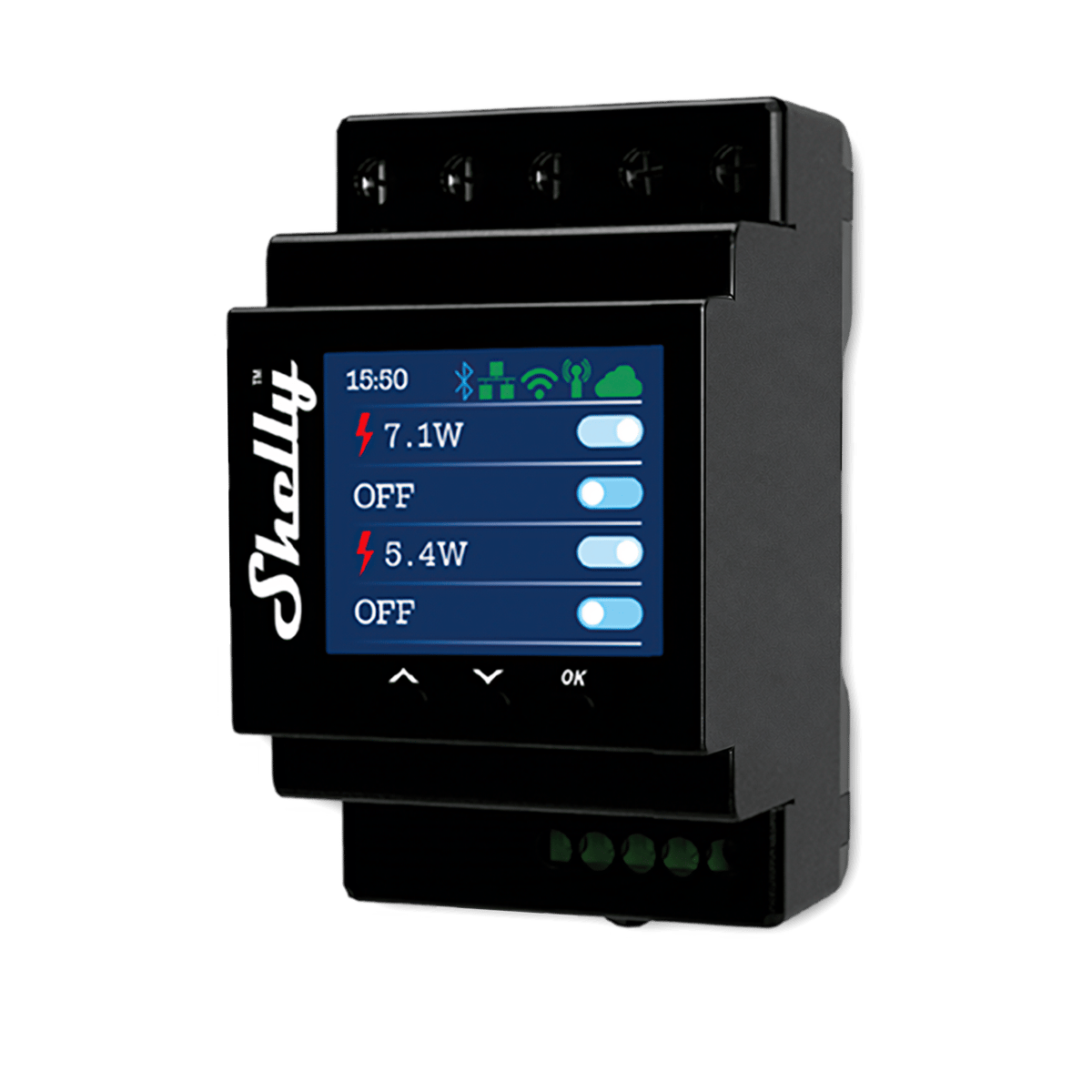
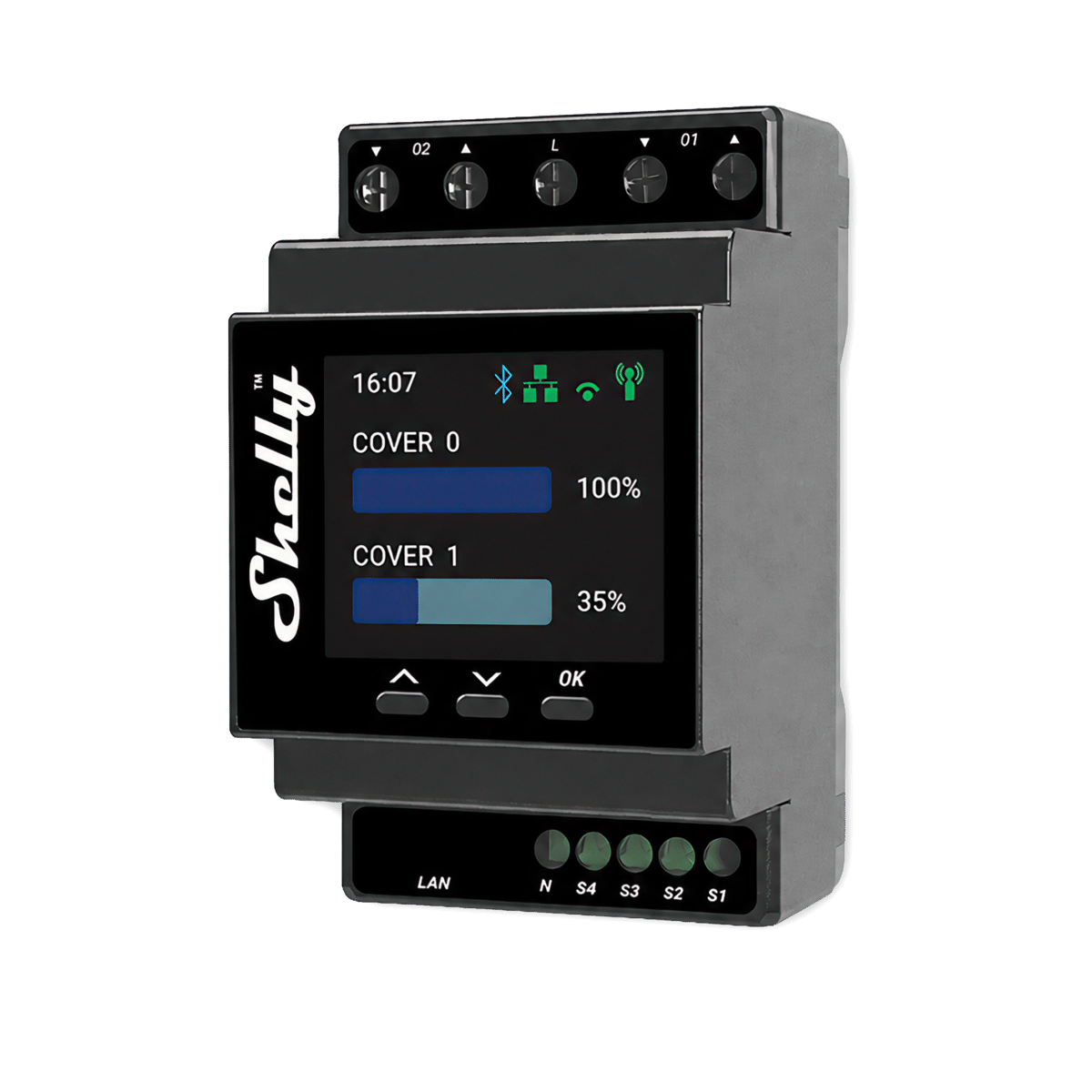
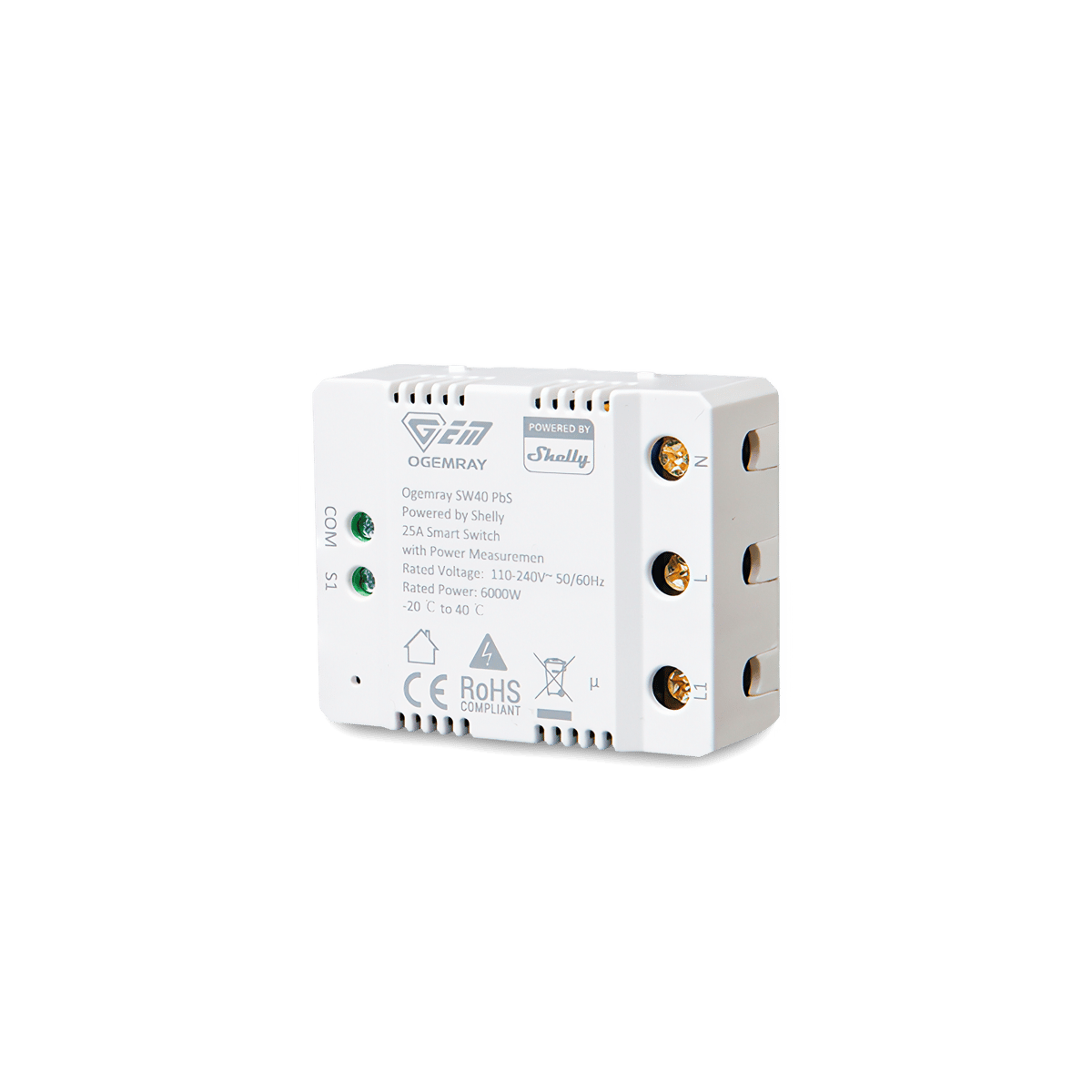
These turn a circuit on and off, and that is their main job. They also measure what the circuit draws while they do it, so each one doubles as an energy usage monitor for whatever it switches. They are sold as relays, dimmers, switches and plugs rather than meters, which is why they sit outside the list above.





Buying guide · Energy monitoring
What is a home energy monitor?
A device that shows what your house, or one part of it, is using right now.
A home energy monitor measures the electricity a circuit is using. It shows the power being drawn at this moment, in watts, and keeps a running total in kilowatt hours, the same unit your bill charges in. Put one on a single appliance and it tells you what that appliance costs to run. Put one on the mains in your switchboard and it tells you what the whole house uses.
Most energy retailers will show you your usage in their app now, but usually with a delay and only for the house as a whole. An electricity usage monitor shows it in real time, for whichever circuit you choose, so you can act on a load while it is still running.
It only measures. Every switch and appliance on the circuit works exactly as it did before, and turning a circuit on and off is a relay's job. Most people measure first, find the load that surprised them, and automate after that.
Three ways to measure
Where the measurement is taken decides what it can reach and who can fit it.
Every energy monitor device reads power usage in one of three places: inside the circuit itself, around the cable, or at the socket.
 Inline One circuit
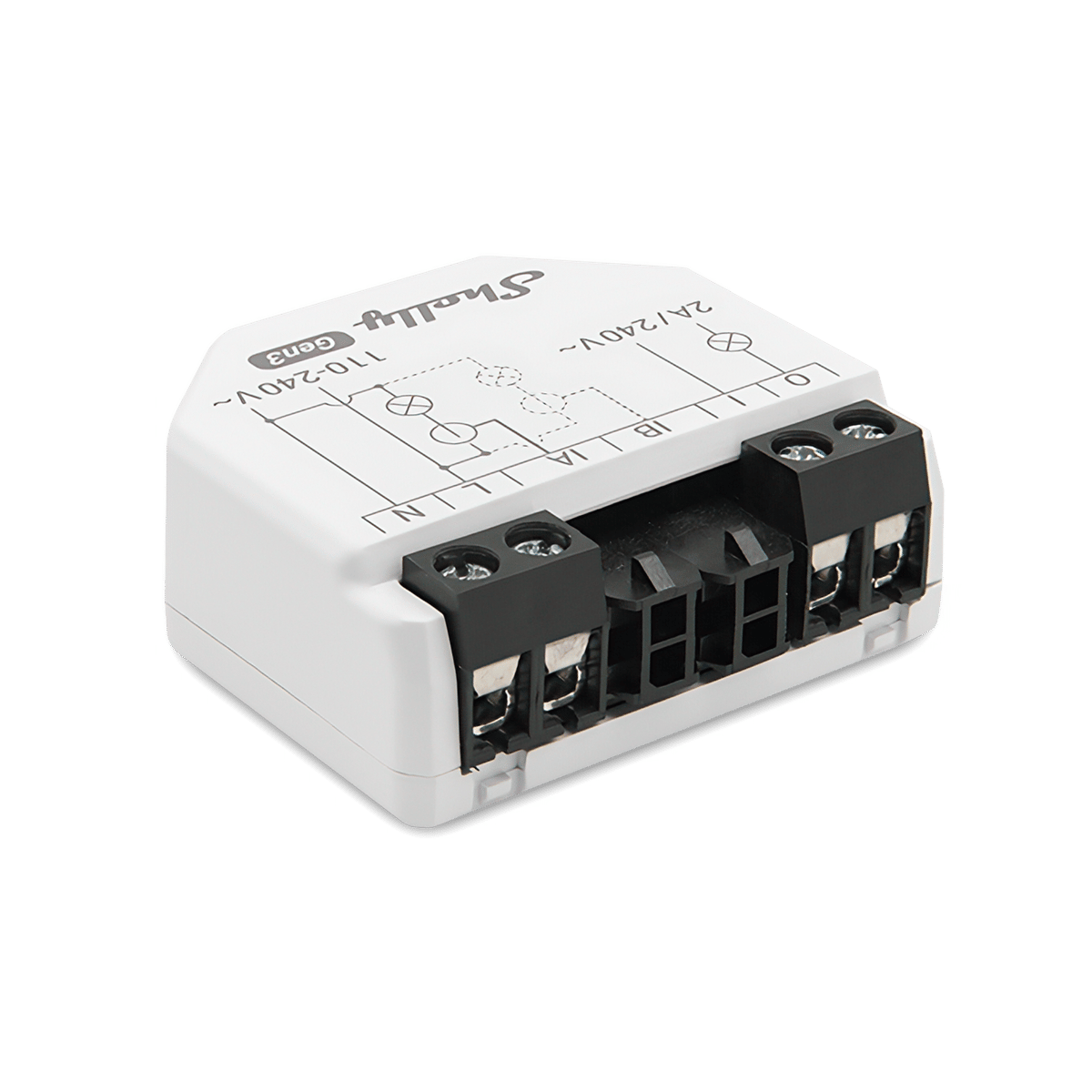
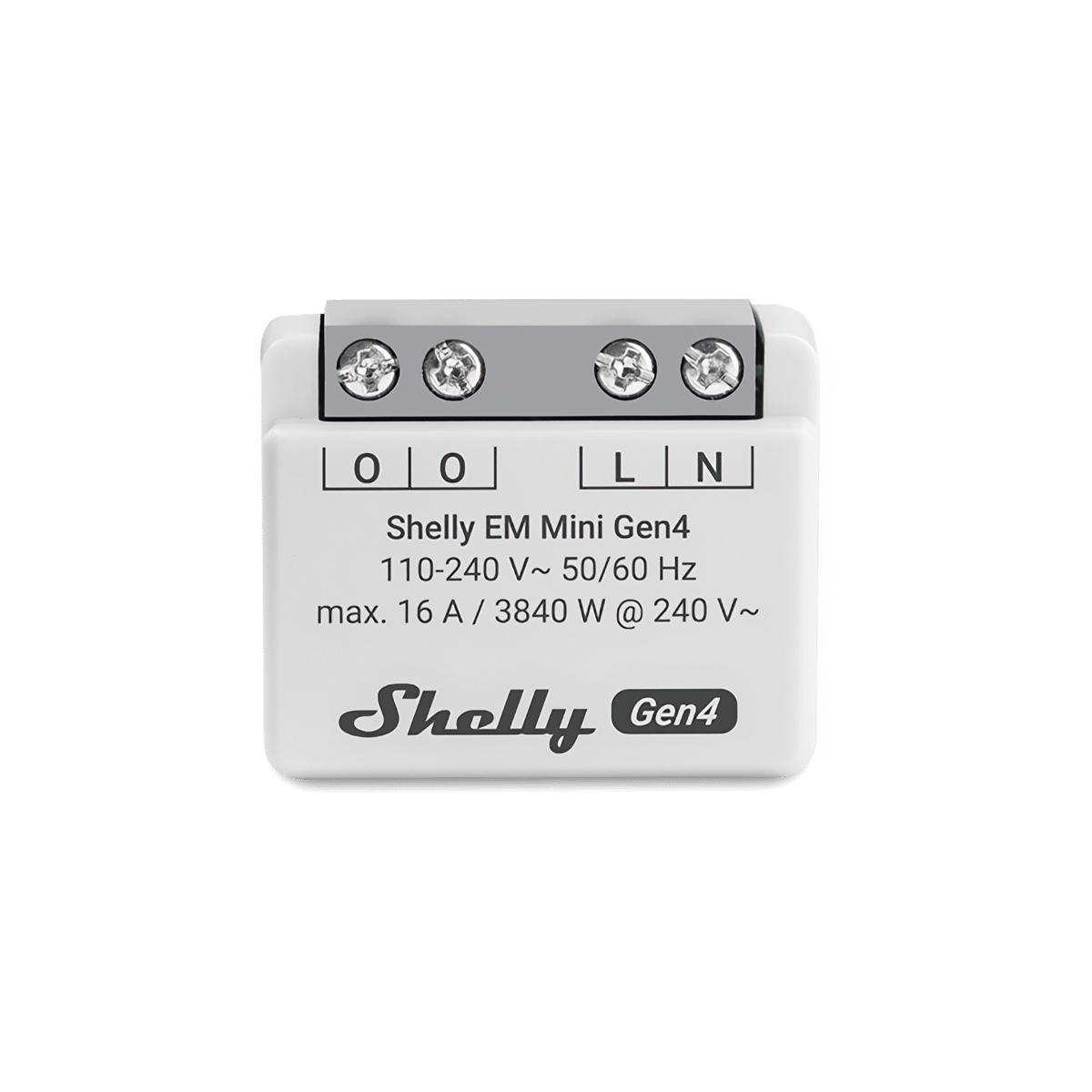
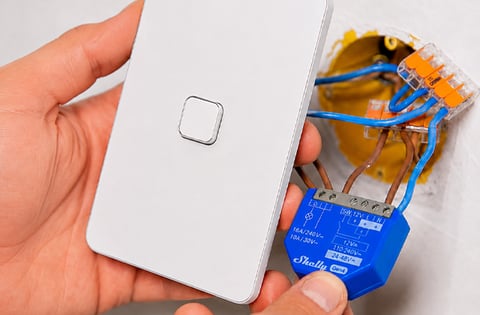
 The meter wires into the circuit, so all the current passes through the meter itself. That makes the meter's own rating the limit: the Shelly EM Mini Gen4, for example, measures up to 16 amps. It suits one circuit you can reach in a wall box, such as a dishwasher or a heated towel rail. An electrician fits it.
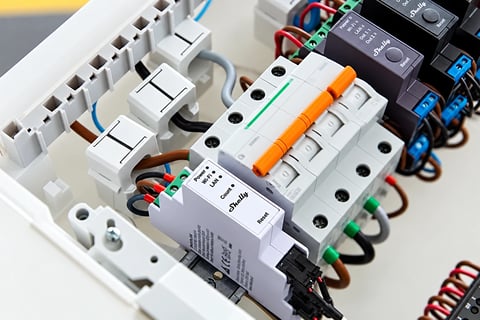 Clamp A circuit or the whole house
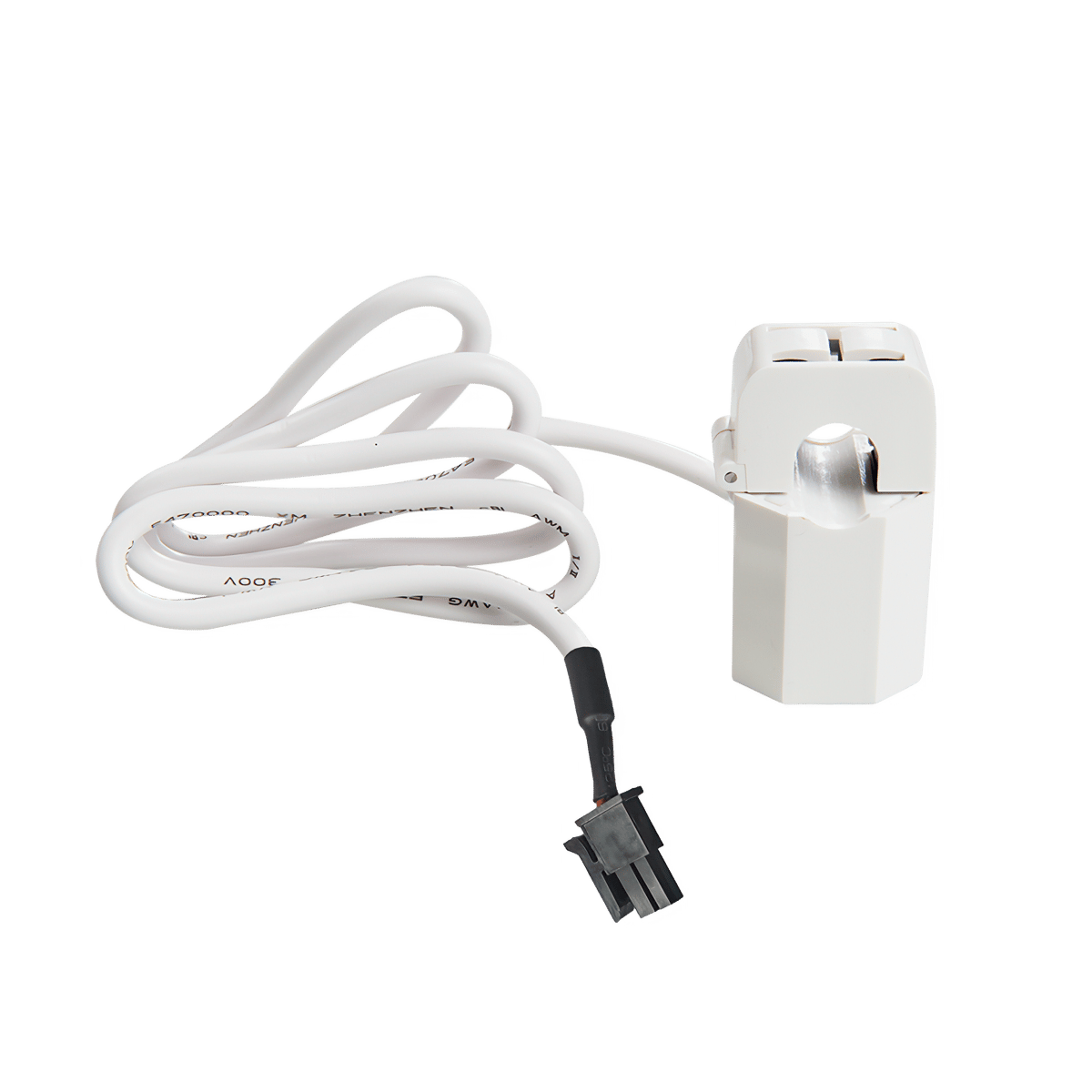
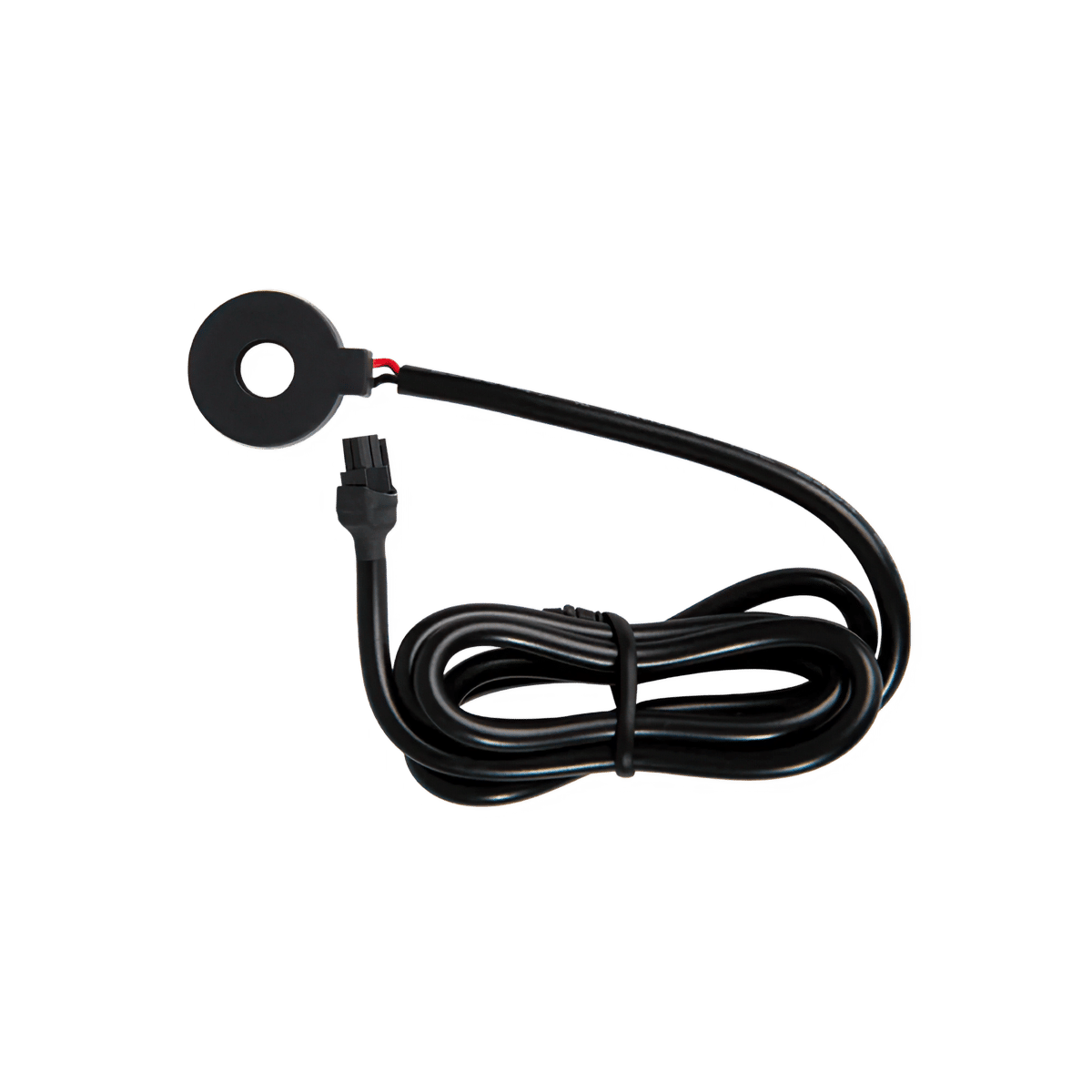
 A CT clamp energy monitor, also called a current clamp energy monitor, measures from outside the wire. The clamp opens, closes around an existing wire and reads the current flowing through it, so nothing is cut or rerouted. A large enough clamp around the mains measures the whole house. The meter the clamp connects to still needs power from the switchboard, so an electrician fits it.
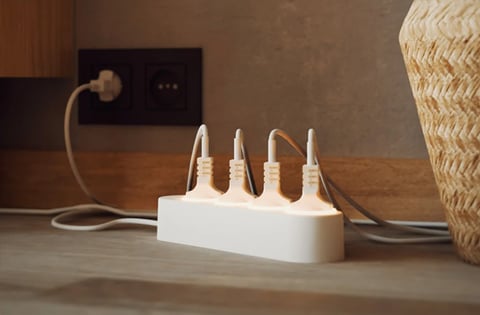 Plug-in One appliance
 A smart plug with power metering sits between the socket and the appliance and measures what that one thing draws. You fit it yourself, but it only reaches what plugs in. Hot water and anything else wired directly to your switchboard is out of its reach.
Sizing a whole house energy monitor
Check four things before you order a whole home energy monitor.
A whole house energy consumption monitor clamps around the main wires that feed your switchboard, one clamp per phase.
Main switch rating Read it first
The main switch is marked with its rating in amps. The clamps have to be rated for at least that much current, or the monitor cannot read the house at its busiest. They also have to fit: each clamp lists its opening in millimetres, and larger mains wiring needs a larger clamp.
Single phase Most homes
Most Australian homes run on single phase, new ones included. One active wire comes into the switchboard, so one clamp on the mains measures everything the house consumes. The EM Gen3 comes with a 50 A clamp, and an 80 A clamp suits a larger main switch, such as the 63 A common in newer homes.
We suggest 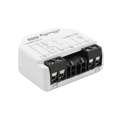 Shelly EM Gen3
Shelly EM Gen3 Three phase Check before buying
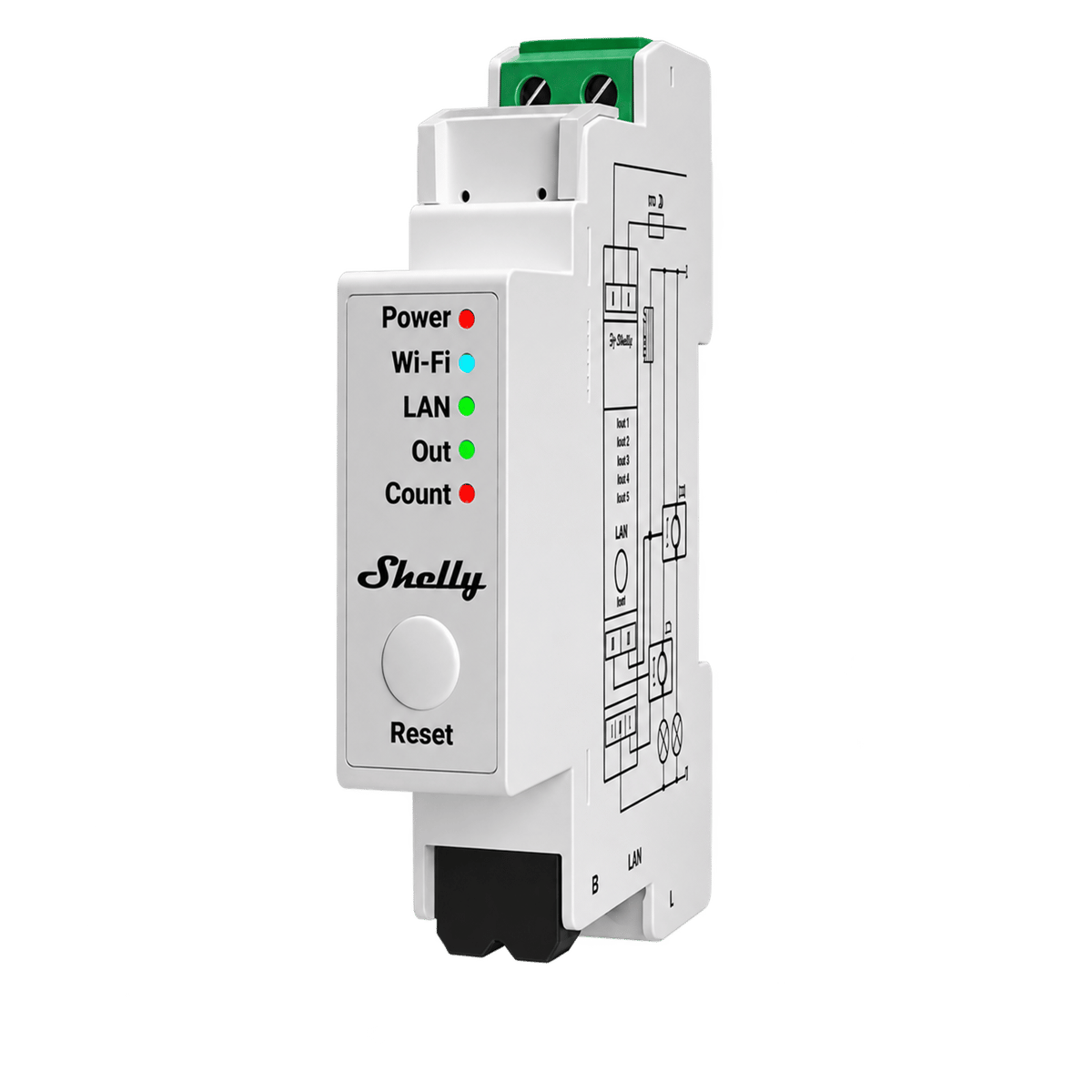
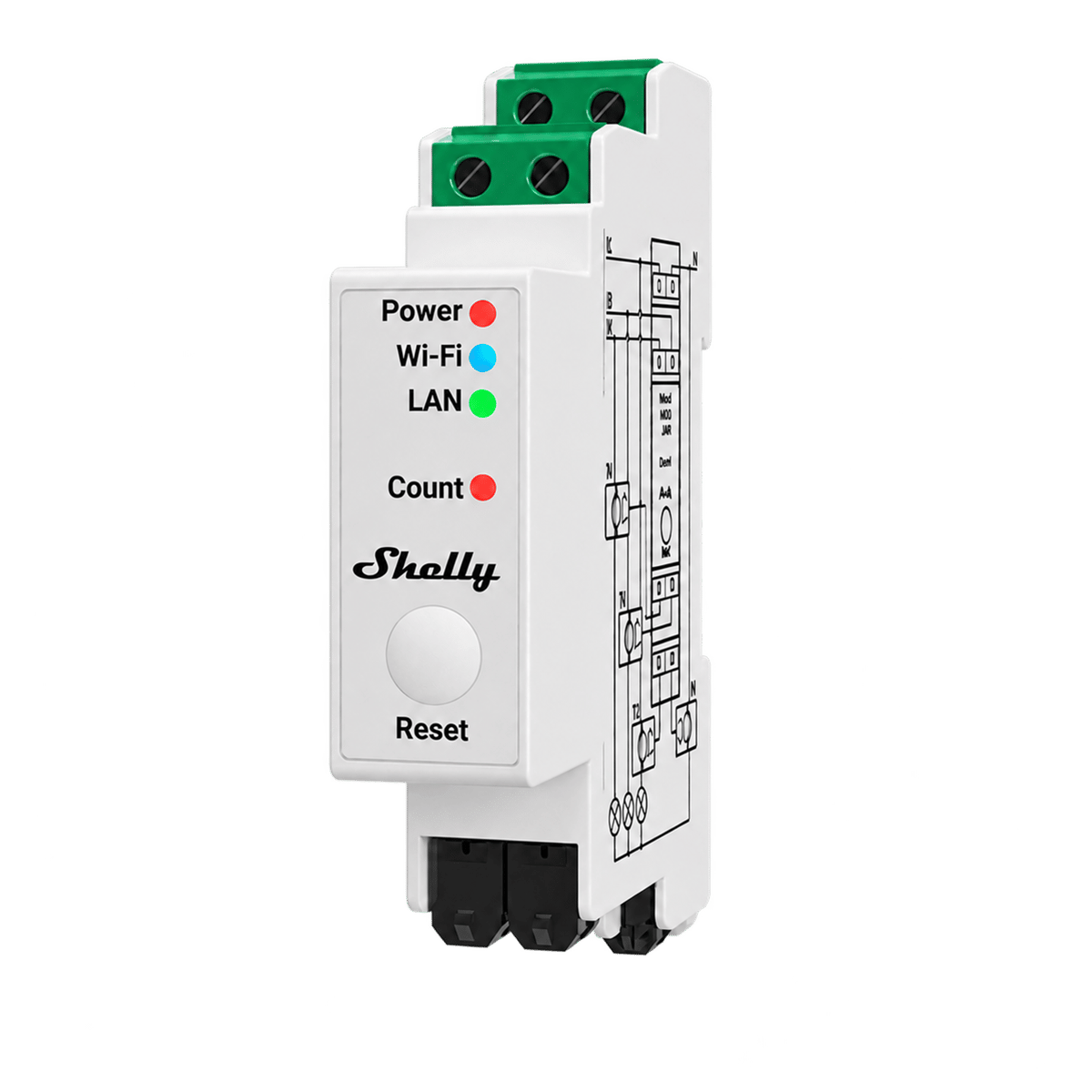
Three active wires come into the switchboard, one for each phase. It is common in larger homes and in anything running ducted air conditioning, a pool or an EV charger. You need a monitor that reads all three at once, and the Shelly Pro 3EM range covers it: the Pro 3EM-120 comes with three separate clamps, and the Pro 3EM-3CT63 uses one combined clamp that fits over the main switch.
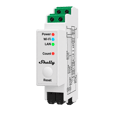
Solar Two channels
Measuring what you import is one number. Measuring what your roof generates as well is two, so you need a second channel on the solar cable. With only one clamp on the mains, you see what the house uses minus what the panels make, so a sunny afternoon can make a heavy load look small.
We suggest Shelly EM Gen3
Shelly EM Gen3 Frequently asked questions
Can't find your question? Ask our Melbourne team
What you can do with them
Find out what an appliance costs to run
A small meter behind the power point records every kilowatt-hour an appliance uses. Add your tariff and you can see what the heater, fridge or pool pump really costs. Control with any of

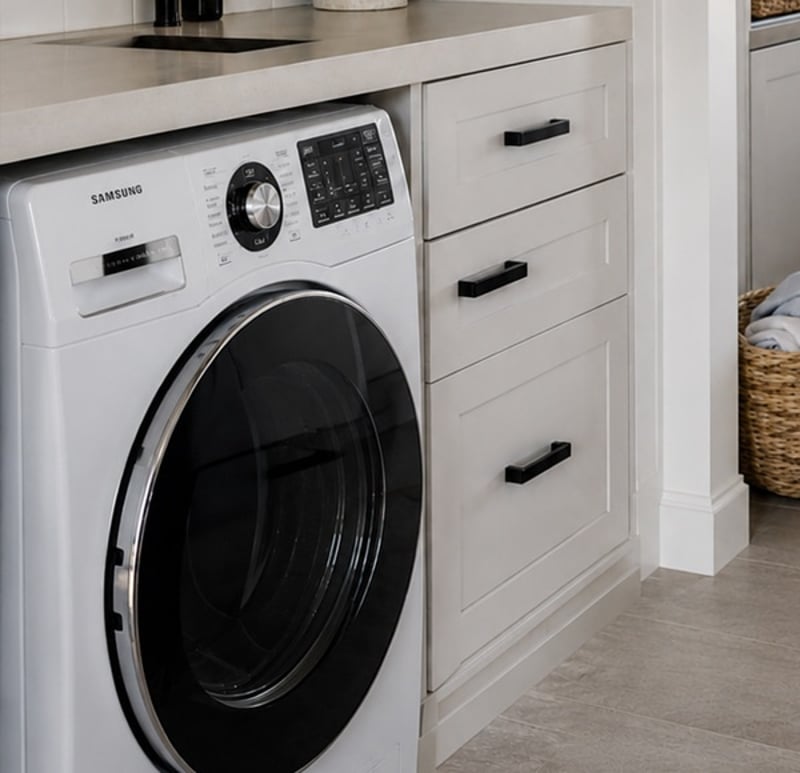
Get a phone alert when the washing is done
A small meter behind the washing machine's power point sees the power drop when the cycle ends and sends a notification to your phone. No new machine, and nothing changes about how you use it. Control with any of