















Home Assistant
The most capable smart home platform, and the most involved. What it is, what to run it on, how to get more out of it, and what changed this month.


- Apple Home
- Google Home
- Amazon Alexa
- SmartThings
- Home Assistant
- Philips Hue
- Shelly


Releases
What changed this month
Home Assistant ships an update every month. Here is the newest one in plain English, with anything that breaks flagged before you press update.
Full release archive Latest release · October 2026
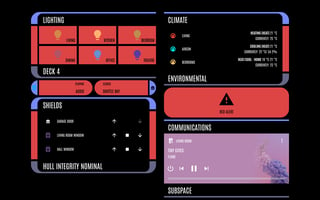
Home Assistant 2026.10: what's new, what breaks
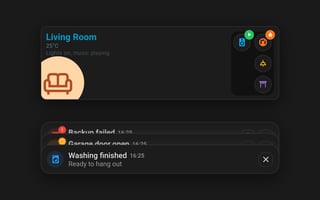
The October release is called "You are here", after its redesigned map, but the bigger change is in the automation editor. Trigger IDs, long tucked away in a menu, are now a tick box rather than something you invent and remember. The map builds on the vector tiles that quietly replaced last month's broken one, and the profile page, Modbus and the MCP server all get proper screens.
A redesigned mapEveryone can edit their own profileCard visibility gets the full set of conditions
Read the rundown New to Home Assistant?
The plain-English versions first: what it is, what you need to run it, and where to go once it is running.
Explainer Explainer
What is Home Assistant?
Home Assistant is free, open-source software that runs your smart home locally, with no cloud and no lock-in. What it does, what you need, and who it suits.
Getting more out of Home Assistant
The first month after setup is where a Home Assistant house either settles in or drifts. Apps, HACS, backups, automations, and the maintenance commitment nobody puts on the box.
Themes and add-ons
The software side once it is running: making it look the way you want, and working out whether the cloud subscription earns its keep.
Collection Explainer Explainer
Home Assistant themes in 2026
Thirteen community themes worth putting on a wall, ranked by the thing that matters most: whether they still get updates.
How Home Assistant themes work
What a Home Assistant theme can and cannot change, why themes break after updates, where they apply, and what to do when one will not show up.
Home Assistant Cloud pricing: do you need the Nabu Casa subscription?
Home Assistant is free. Home Assistant Cloud is not. What the Nabu Casa subscription buys, what it costs an Australian household, and when you are better off doing it yourself.
Boxes, boards and dongles
What to run it on, and what to plug into it once it is running. The box is only half the job: the radios decide what it can talk to.
Explainer Buying guide Buying guide
Home Assistant Green: what it is and how to set it up
Home Assistant Green arrives with the software already installed, so setup takes minutes. What the specs actually mean, the radios it does not have, and where first-time setups go wrong.
Which Zigbee dongle for Home Assistant?
Home Assistant needs a USB radio for Zigbee, Thread or Z-Wave. Which adapter to buy, why one dongle cannot run two protocols, and the USB 3.0 problem that quietly ruins your range.
Best hardware for a Home Assistant hub
Home Assistant doesn't come with its own hardware. Here's how to choose between Home Assistant Green, a Raspberry Pi and a mini PC, and which radios you'll need on top.
Head to head
Comparison
Apple Home vs Home Assistant
Home Assistant wins on capability outright. The real axis is how much of your life you want to spend on it, and the best answer for many Apple households is running both together.
ComparisonSmartThings vs Home Assistant
SmartThings and Home Assistant reach the same radios, given the right hardware, so the choice is really about who runs your smart home. Including the October 2026 API change.
ComparisonHome Assistant Green vs a Raspberry Pi: which to build on
A Raspberry Pi used to be the cheap way to run Home Assistant. In Australia it is not any more, and the arithmetic is worth seeing before you choose either one.
ComparisonHome Assistant Green vs Yellow: which to buy now
Home Assistant Yellow is end of life, so this is not a two-way choice any more. What Yellow had that Green does not, what that was worth, and what to do if you already own one.
Ready to build with Home Assistant?
The hubs, dongles and sensors from our guides, in one place: everything we stock that works with Home Assistant.