





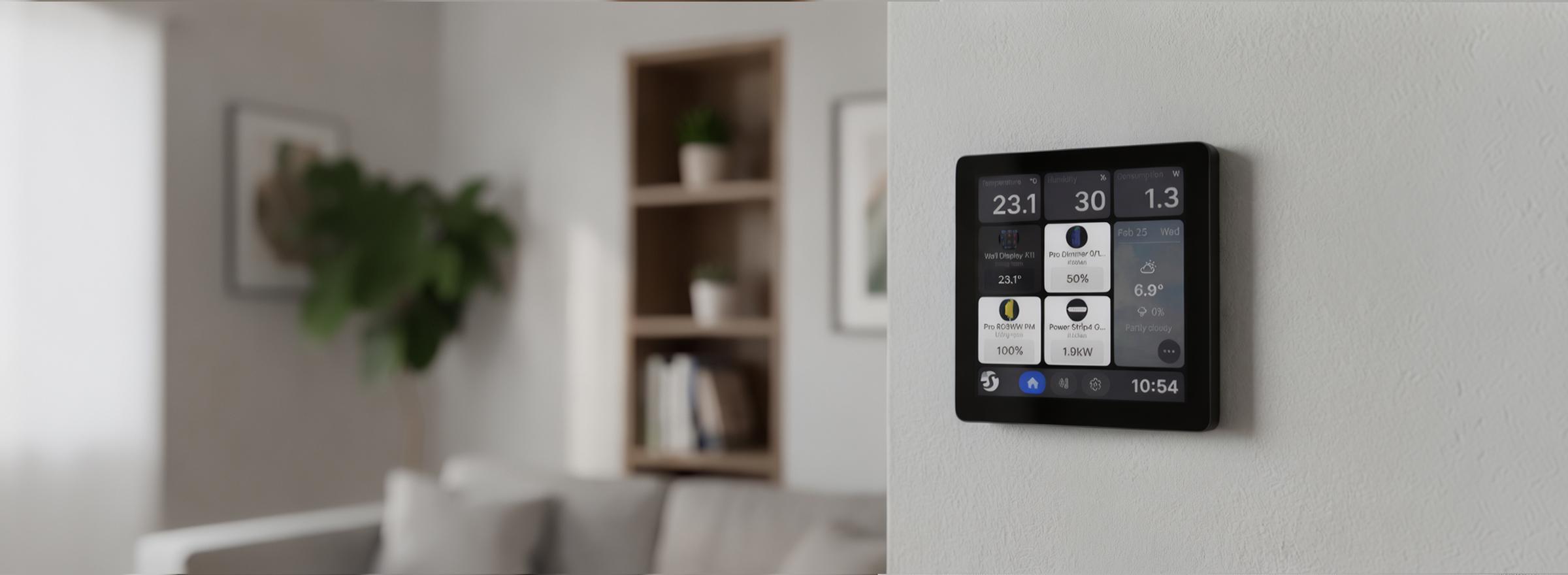
Smart home control panels
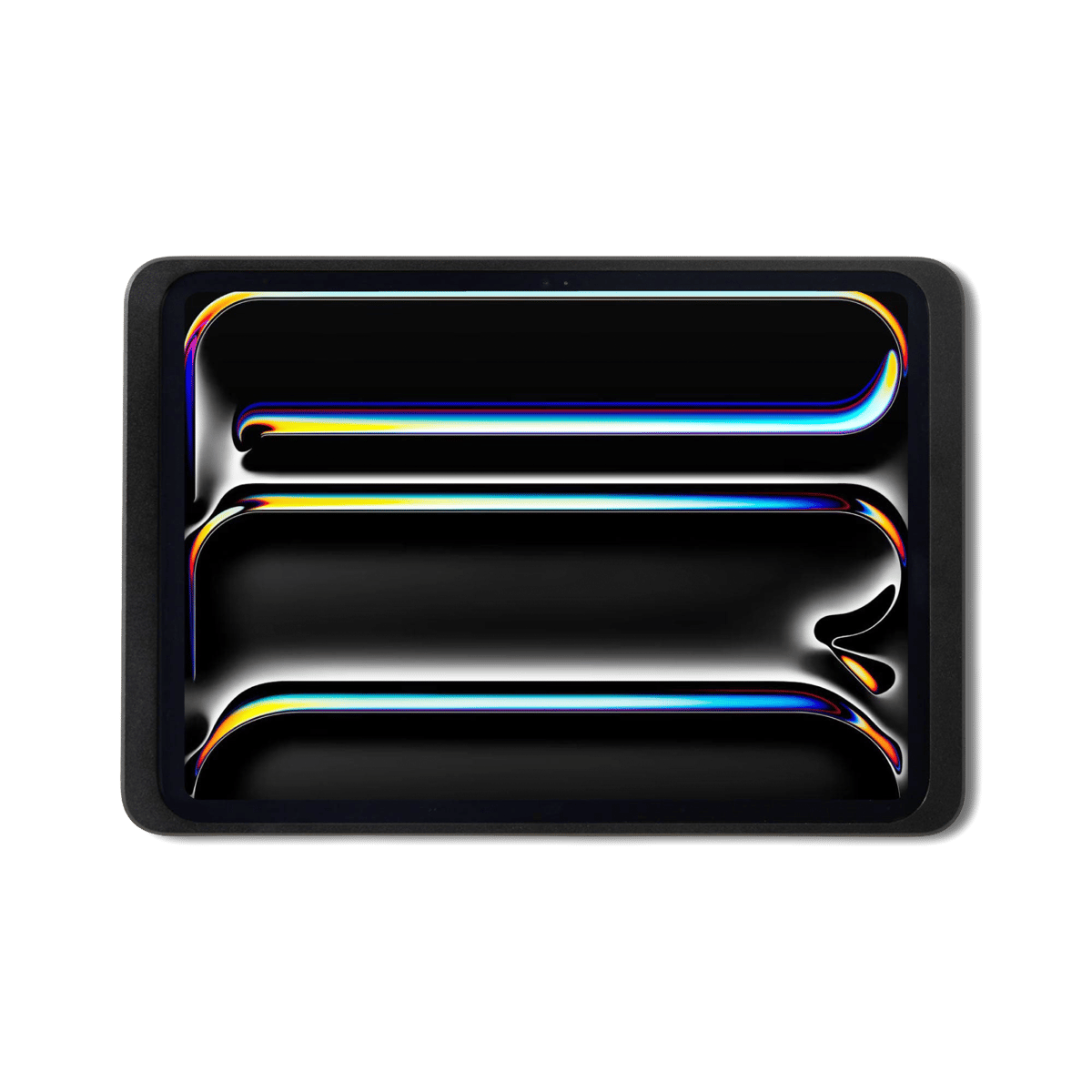
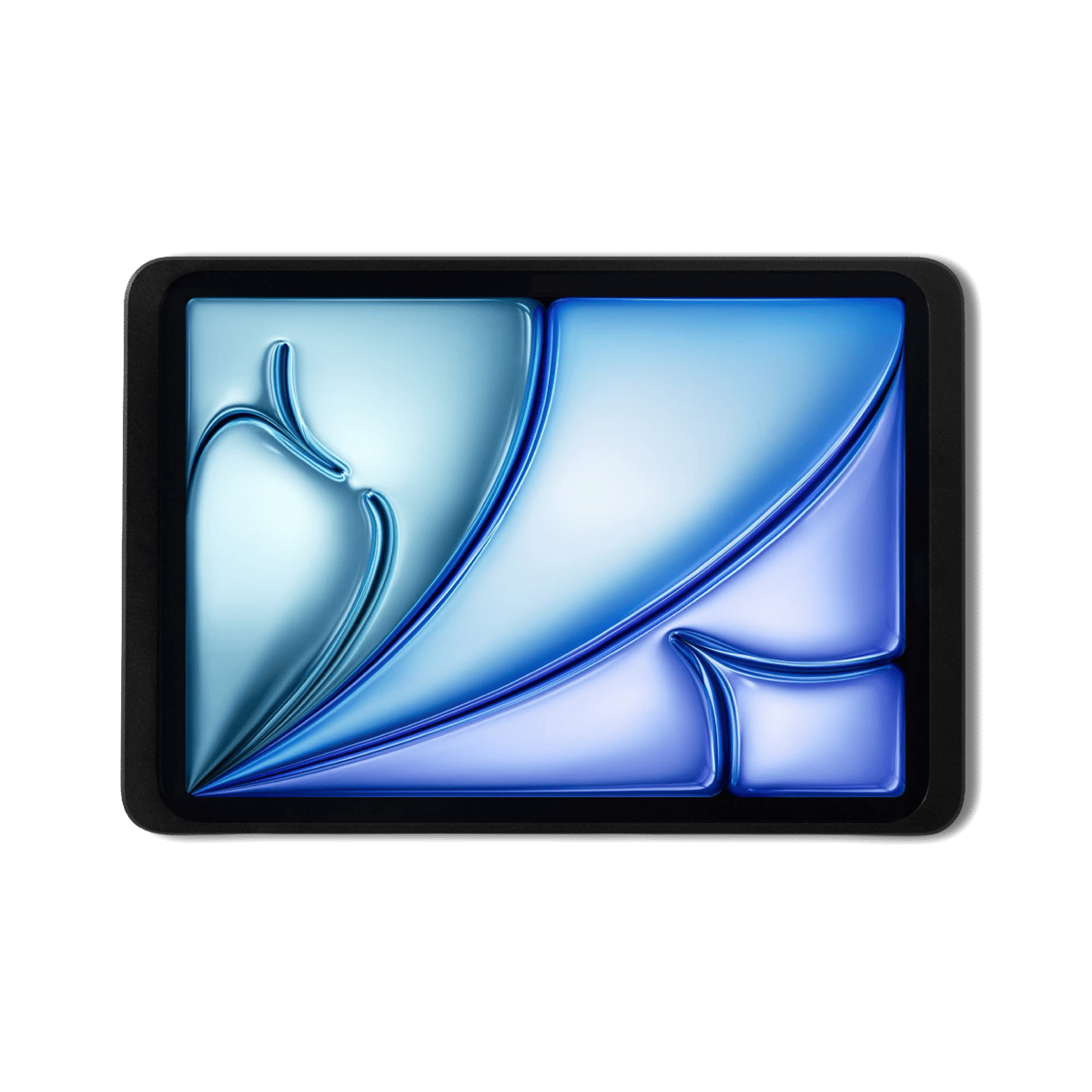
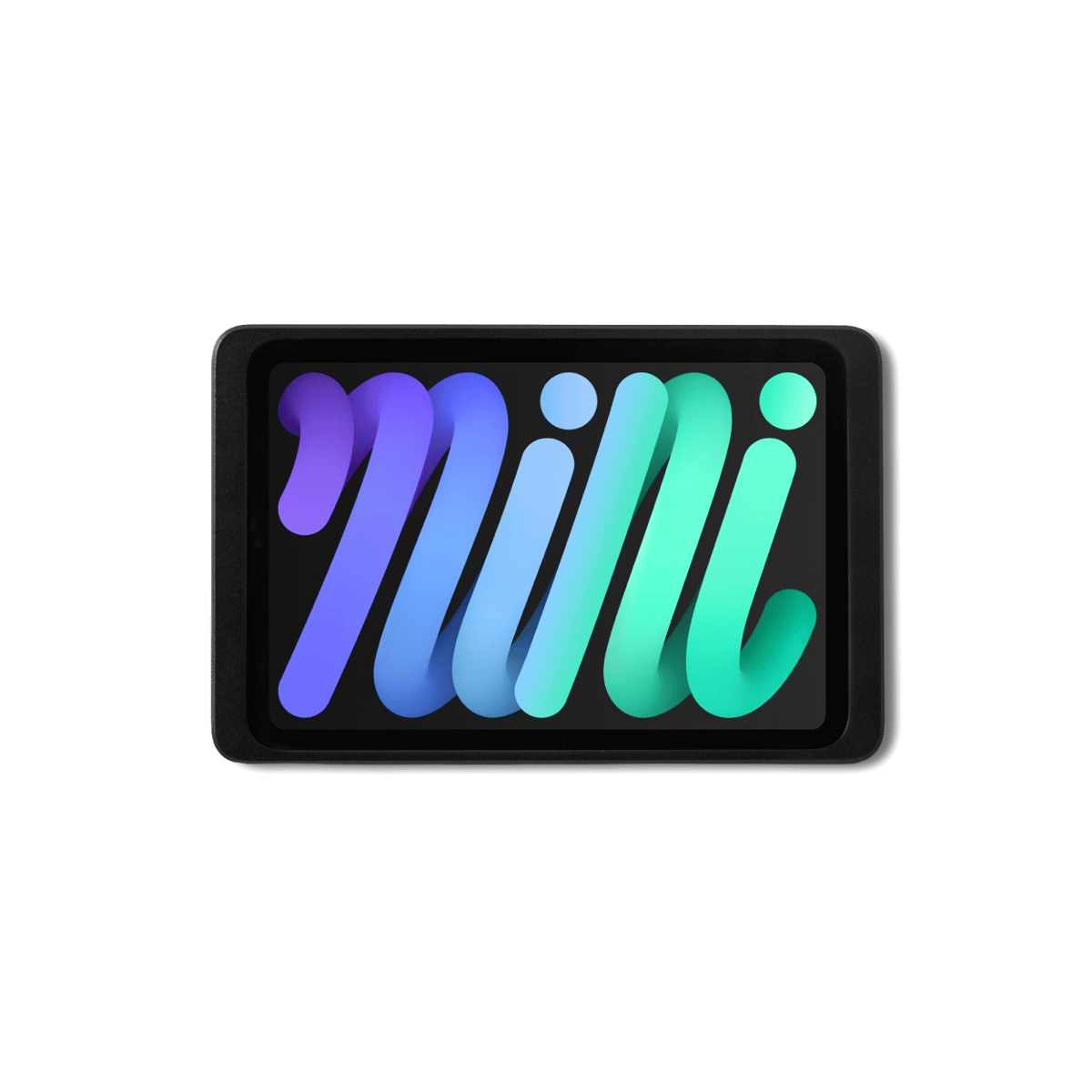
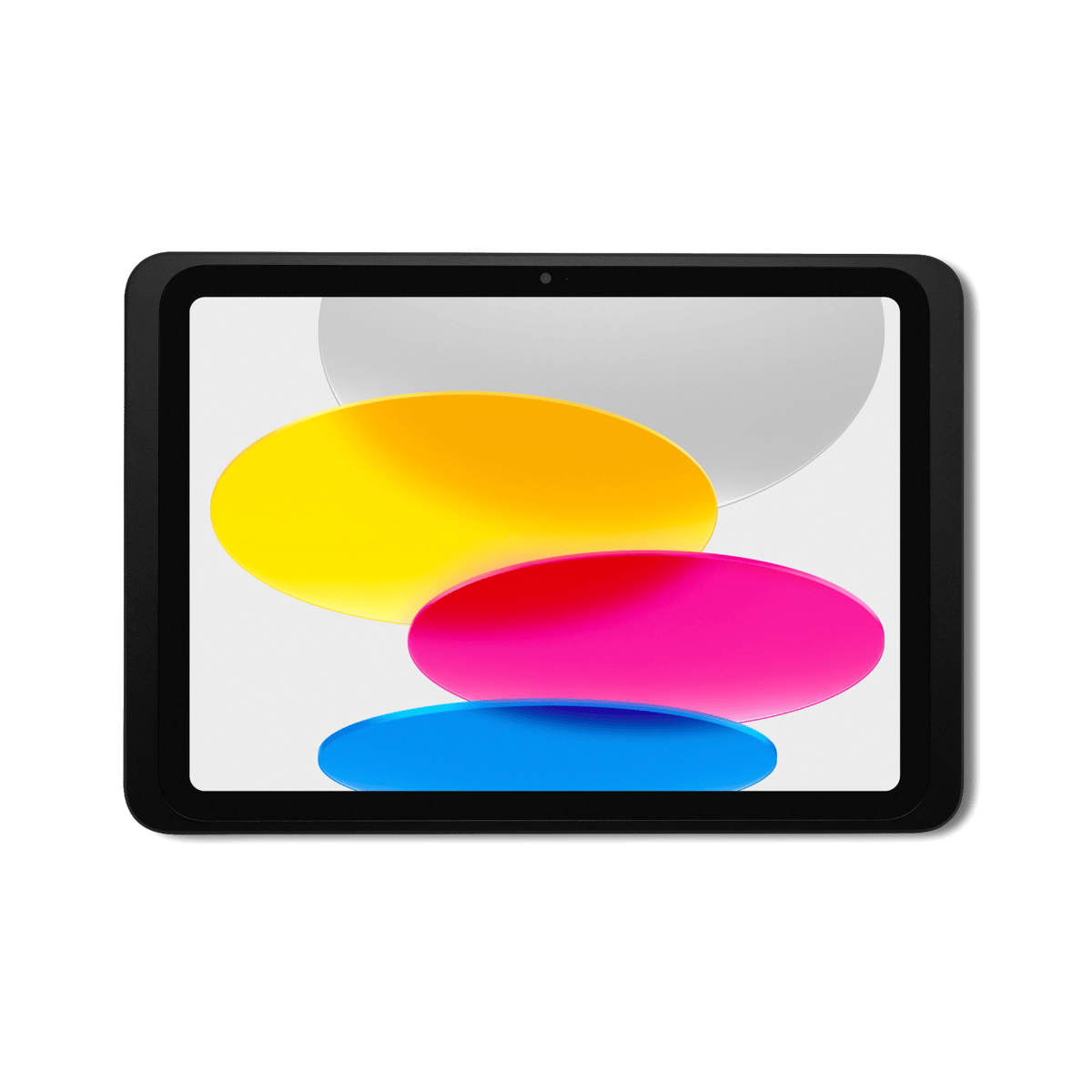
A screen on the wall that runs the house without anyone reaching for a phone. Two ways to get one: a purpose-built panel wired into a wall box, or a mount that holds an iPad you already own.
Panel or iPad mount
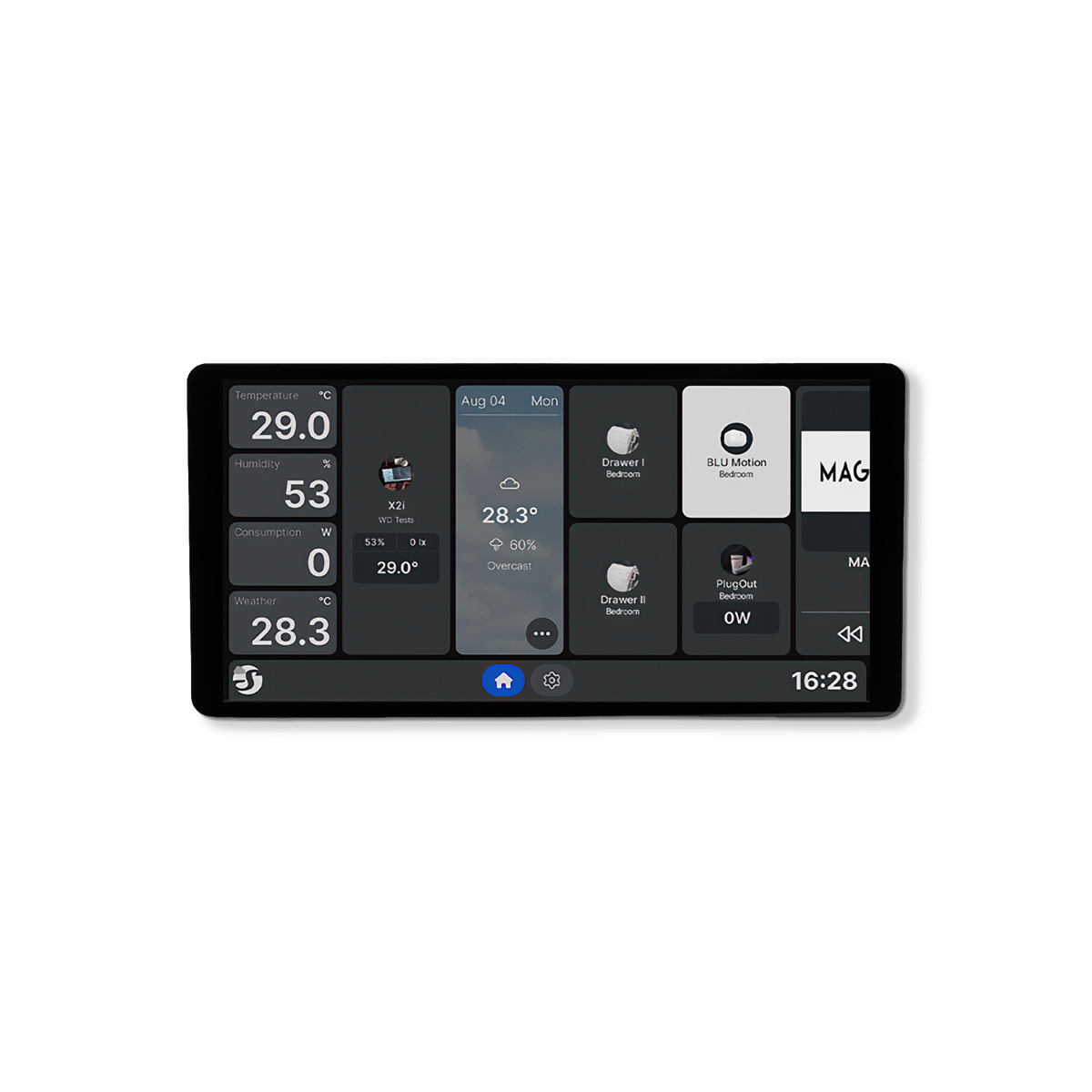
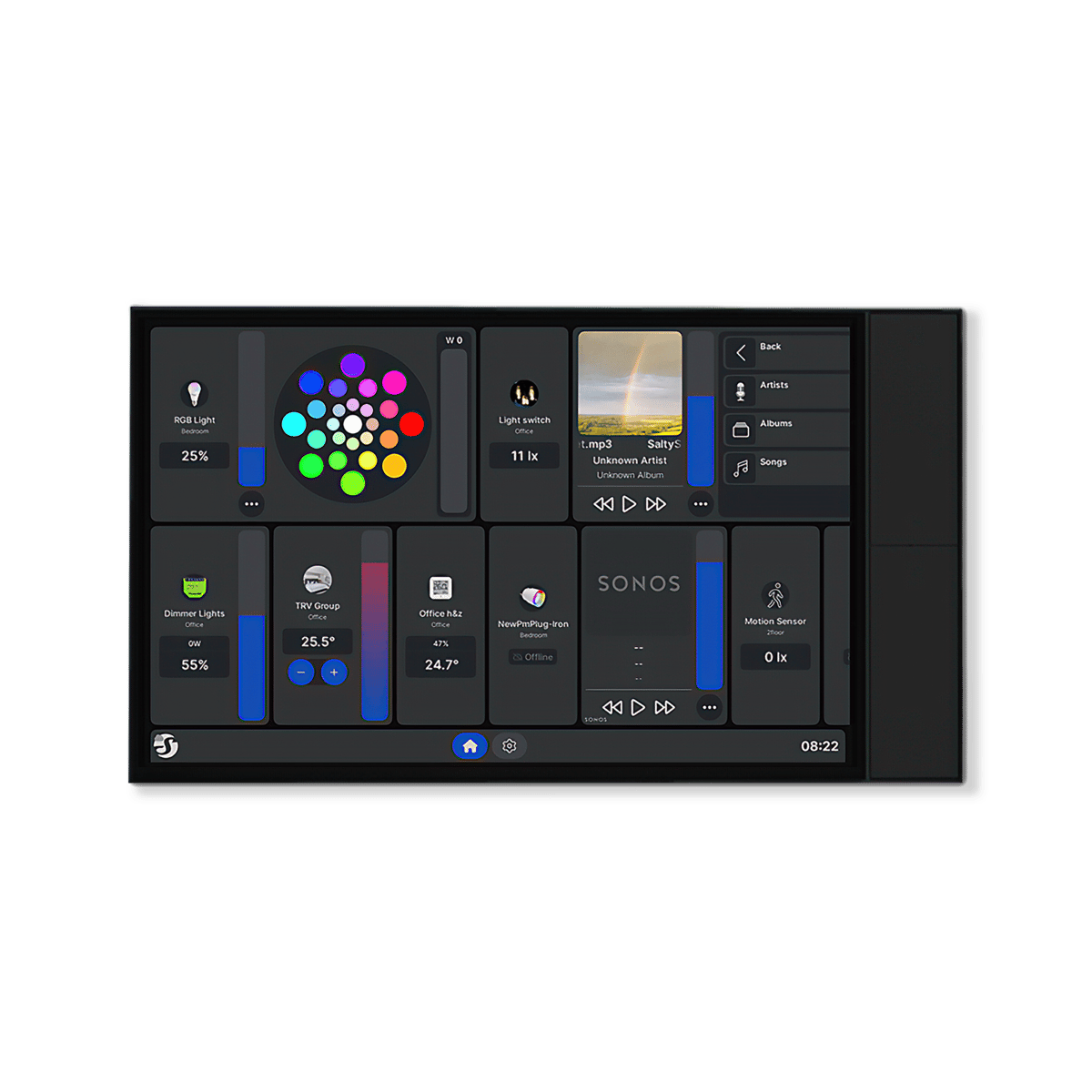
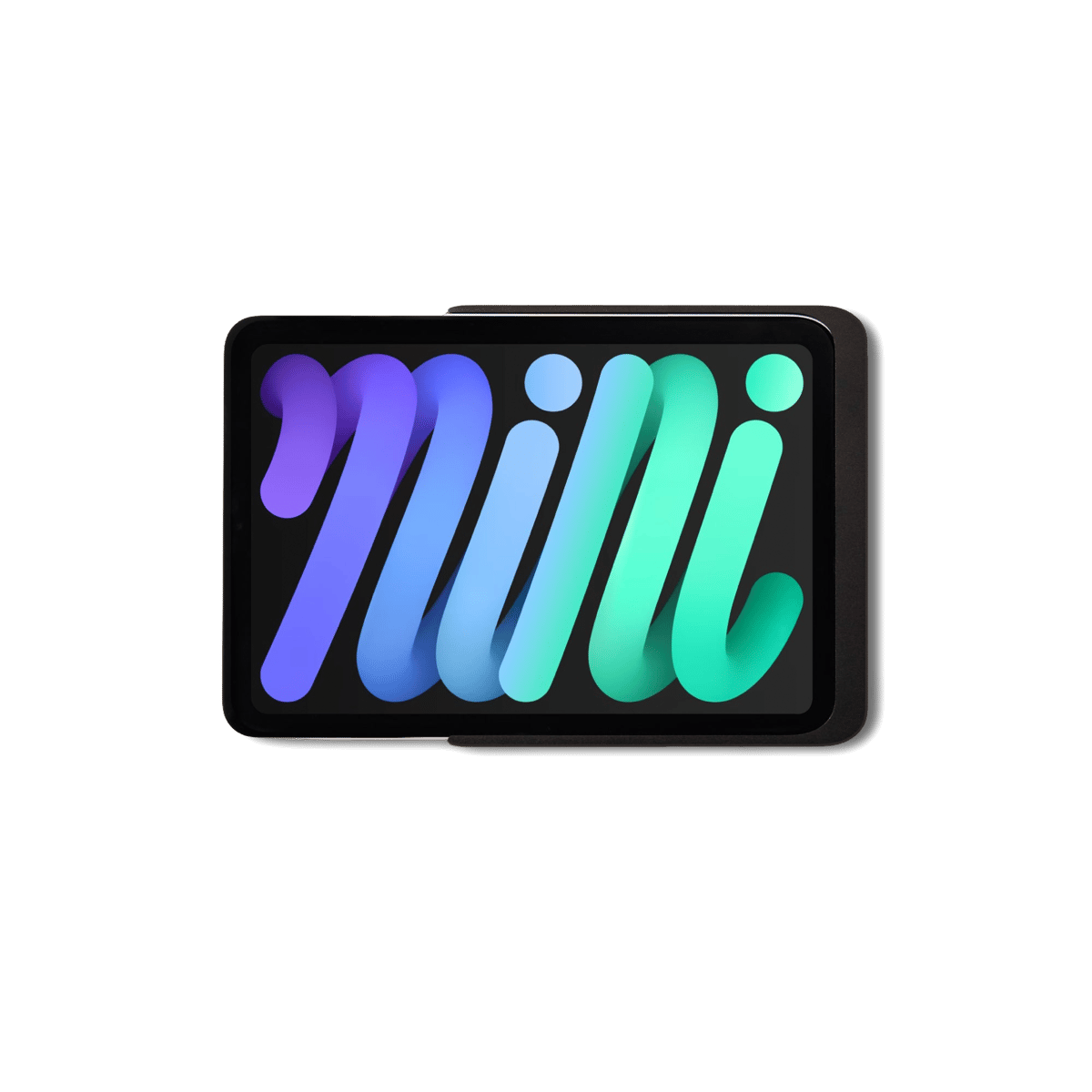
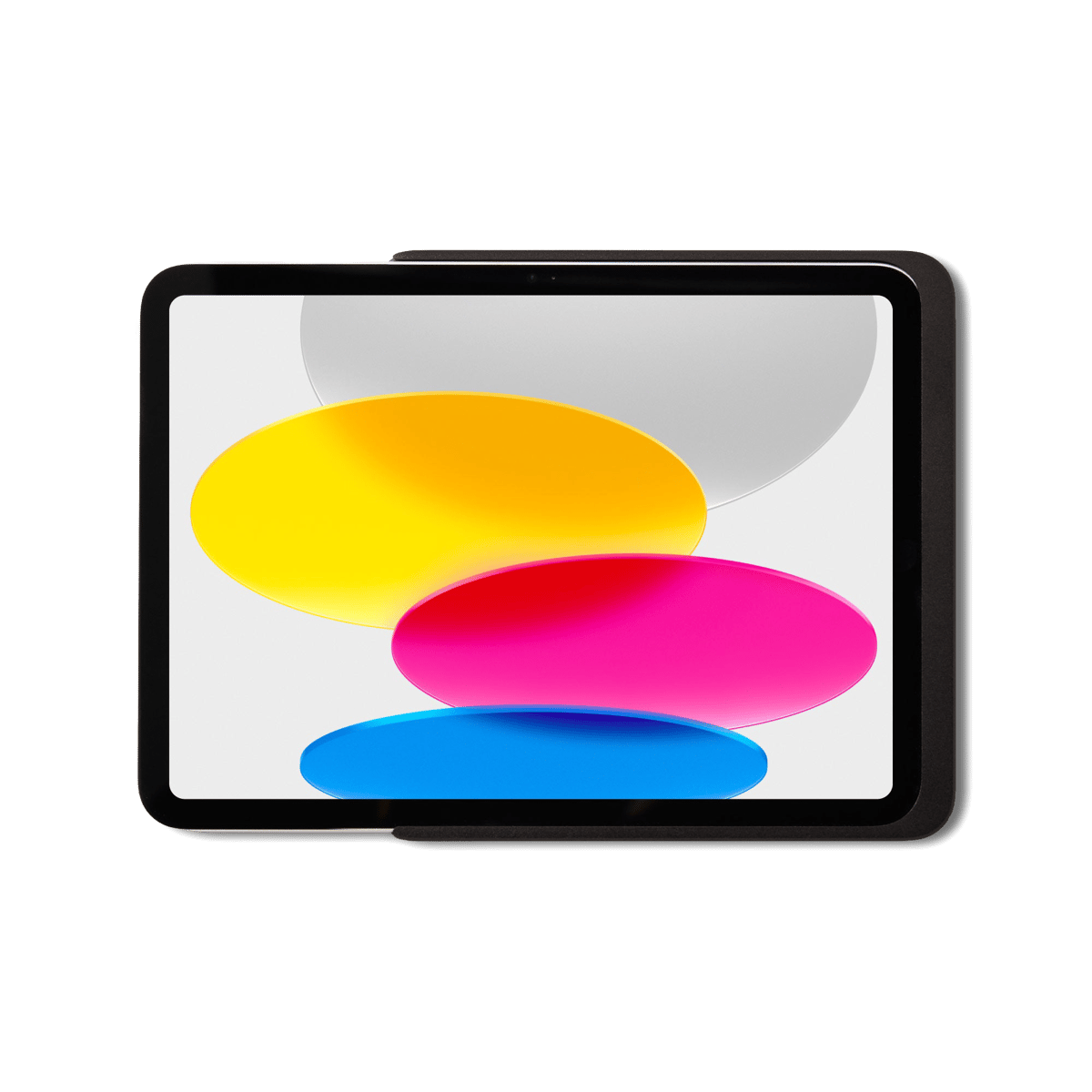
A purpose-built panel arrives ready to wire in and runs the maker's own interface. A mount is a bracket that holds an iPad you supply, so you choose the software and pay more for a better screen. Both end up as a fixed display on the wall.
They wire into a wall box
Most panels take mains power from a wall box, the same one a light switch sits in, which makes fitting one licensed electrician work in Australia. Some iPad mounts are surface-mounted instead and only need a charging cable reaching them.
A control surface, not a hub
A panel shows and drives a system you already have. It is not the thing that runs the automations, and it usually carries no Zigbee, Thread or Z-Wave radio, so it does not replace a hub or bridge.
Position beats specification
A panel is only used if it is somewhere a hand already goes: beside the front door, at the end of a bench, on the way to bed. Screen size and resolution matter far less than putting it where people actually walk past.
Automation · 11 products Control Panels at Synced Australian stock


Filter guide
Which protocol should I pick?
Protocols are the wireless languages smart devices use to talk to each other. Some need a hub, some run straight off your Wi-Fi. Here's what each one means for your setup.
-
Wi-Fi
No hub neededThe simplest way to start. Plugs into your existing Wi-Fi with no extra hardware. Best for a handful of devices; very large setups can crowd the network.
-
Bluetooth
Direct, short-rangeGood for setup and close-range control from your phone. Range is short with no remote access on its own, so it's often paired with a hub or bridge.
None selected
Compatibility guide
Which platforms does it work with?
Works with shows the smart home platforms a device pairs with, so you can control it from the app and voice assistant you already have. Here's what each one is.
-
Google Home
Google ecosystemWorks with the Google Home app and Google Assistant, for voice control through Nest speakers and displays or your Android phone.
-
Amazon Alexa
Alexa voicePairs with Amazon Alexa, so you can control it by voice through any Echo speaker or display and the Alexa app.
-
Samsung SmartThings
SmartThings hubWorks with Samsung SmartThings, controlled from the SmartThings app. Handy if you've already built your setup around Samsung phones or appliances.
-
Home Assistant
Open-source hubWorks with Home Assistant, the open-source platform for people who want full local control and custom automations. More hands-on, very flexible.
None selected
Power guide
How is it powered?
Battery-powered devices go anywhere. Anything that needs a cable has to sit within reach of a power point.
-
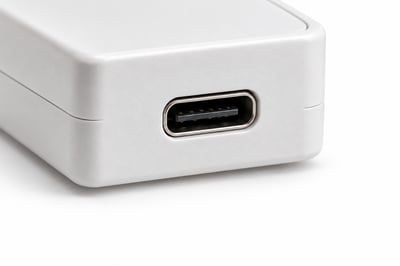
USB
Needs a power pointPowered over a USB cable from a plug-in adapter. Nothing to recharge or replace, but it needs a power point within reach of where it mounts.
None selected
Tap control panels to compare them
That's the most you can compare at once








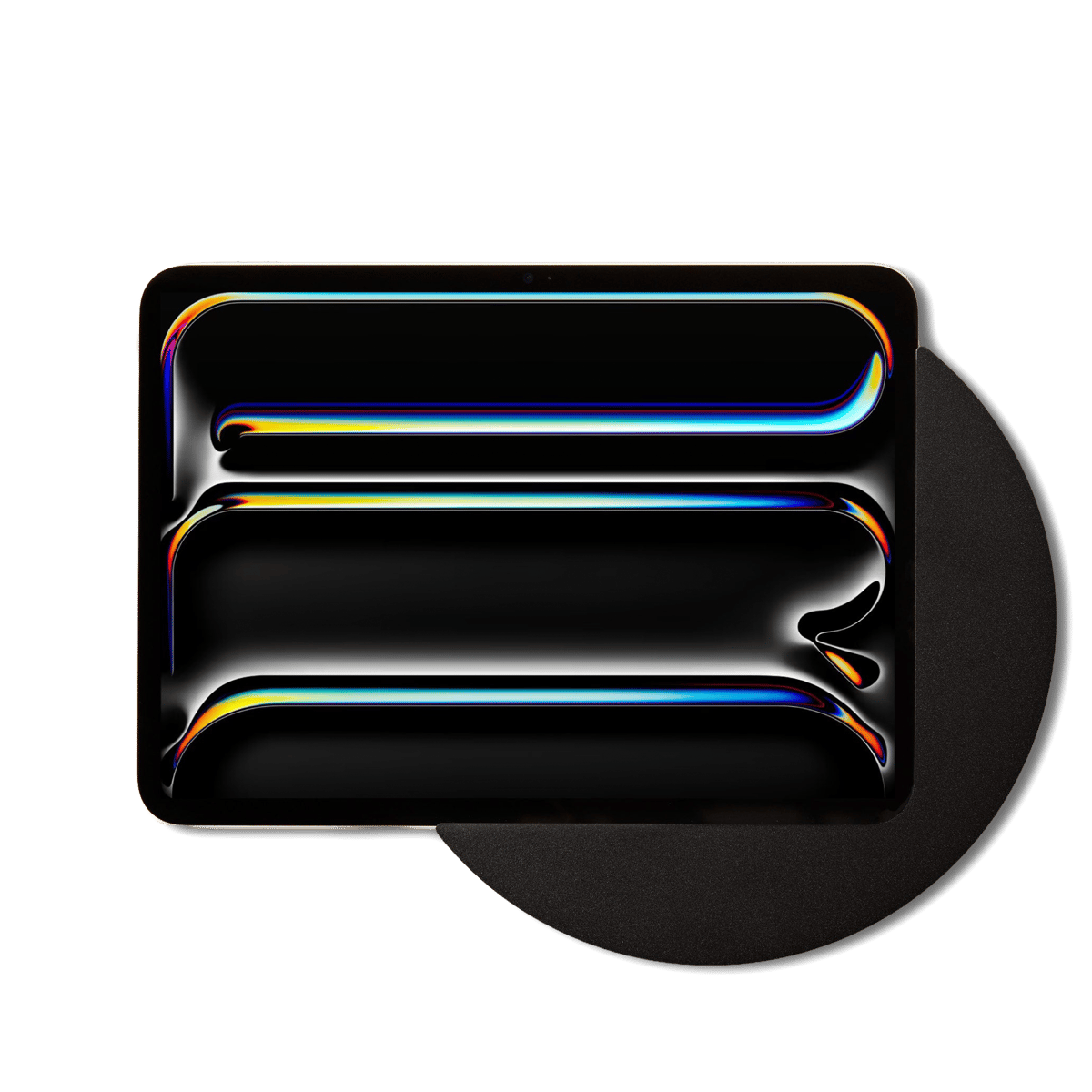

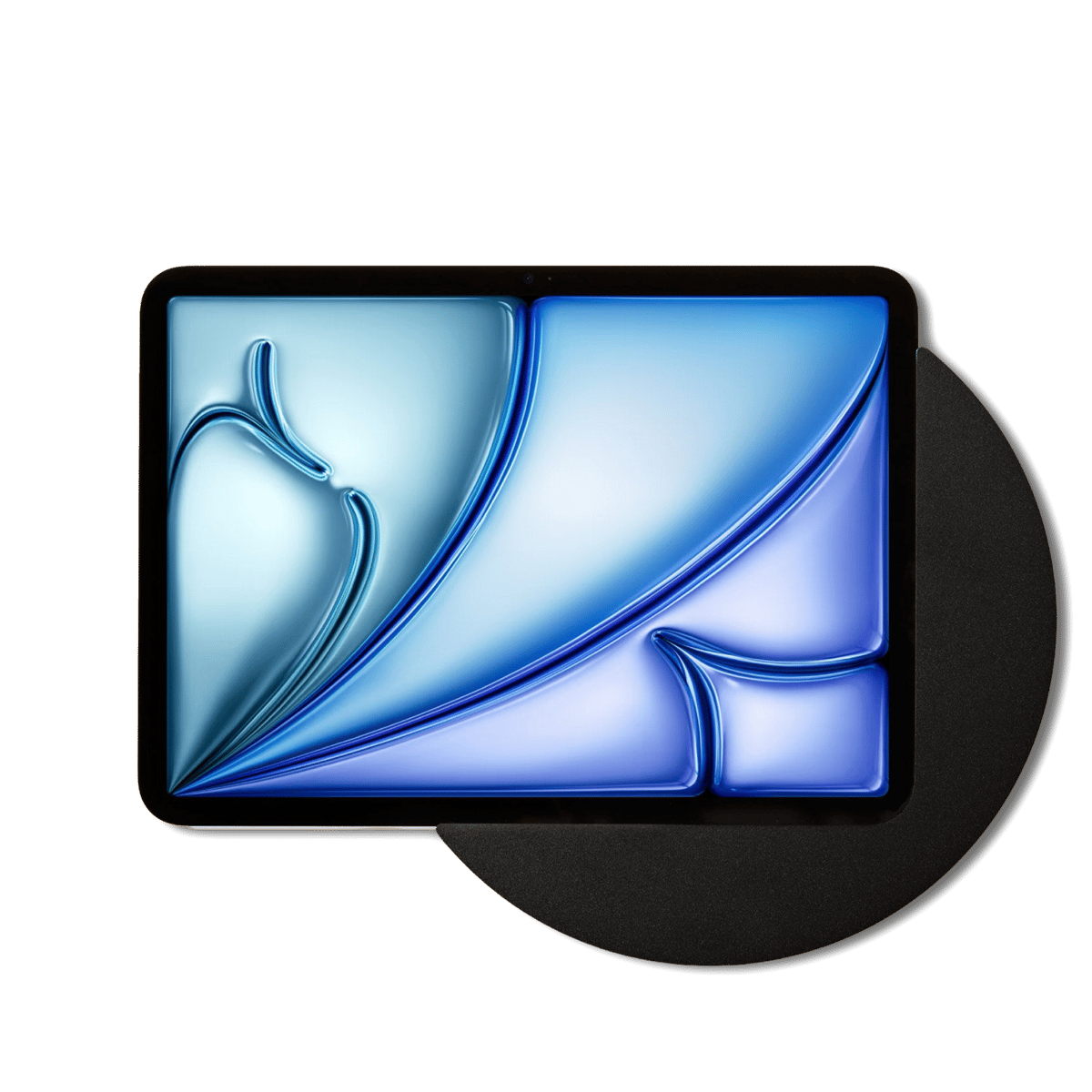
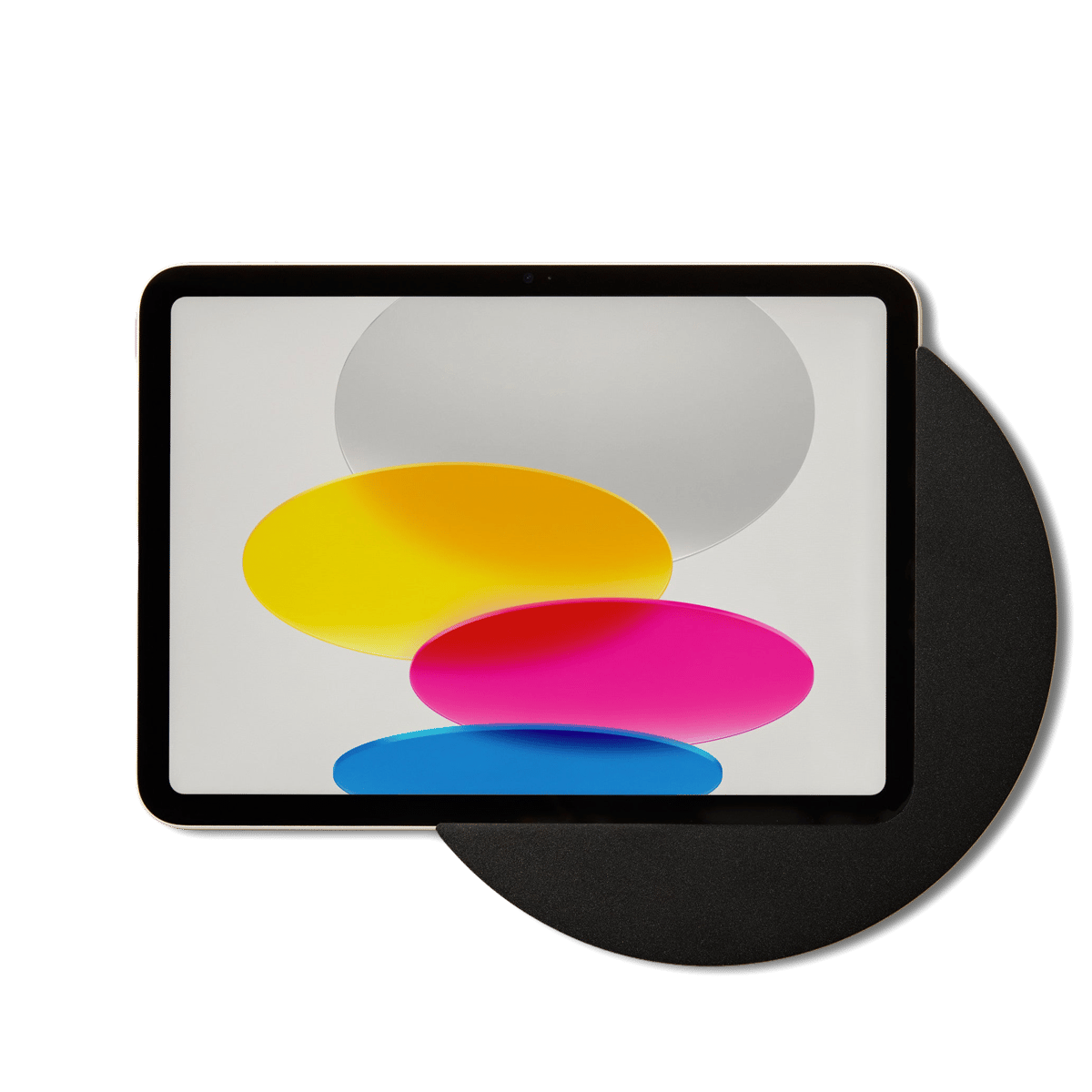
No products match those filters.
More about control panels
Choosing a control panel.
Purpose-built panel or an iPad?
A panel is cheaper, wires in neatly and works out of the box on the maker's software. An iPad on a mount costs more, and buys you a far better screen and any dashboard you like, including Home Assistant. Pick the panel for tidiness, the mount for flexibility.
It does not replace your hub
Panels are displays with a relay behind them, not coordinators. Whatever runs your Zigbee sensors or your automations still has to exist somewhere else. Buy the panel for the control surface, and keep the hub doing the work.
Most of these need an electrician
Anything taking mains power from a wall box is licensed work in Australia, and that covers every purpose-built panel here. It is a single visit and the wiring rarely changes, but it is worth booking at the same time as any other electrical job.
One panel or several?
One is usually enough to start, in the busiest doorway in the house. A second earns its place in a kitchen or a main bedroom, where people are already standing and reaching. Beyond that, most households find the phone covers the rest.


Common questions
Quick answers before you buy. We test this gear ourselves. Can't find yours? Ask our Melbourne team
For a purpose-built panel, yes. They take mains power from a wall box, which is licensed electrician work in Australia. Surface-mounted iPad mounts are the exception where they run from a plug pack, though anything with a charger recessed into the wall goes back to being an electrician's job.
No. A panel is a screen that shows and controls a system, not the thing running it. Most carry only Wi-Fi and Bluetooth, so your Zigbee or Thread devices still need their own coordinator. The panel sits alongside the hub rather than instead of it.
It depends what you value. A panel is purpose-made, wires in flush and needs no charging. An iPad gives you a better screen and any dashboard you want, and a proper wall mount charges it through the wall so it never leaves. Both are legitimate, and the mount costs more.
That is most of the reason to have one. A panel needs no app, no account and no explanation, so anyone in the house can use it, including visitors, kids and whoever is minding the place while you are away. It is the answer to a smart home only one person can operate.