











Smart Bulbs
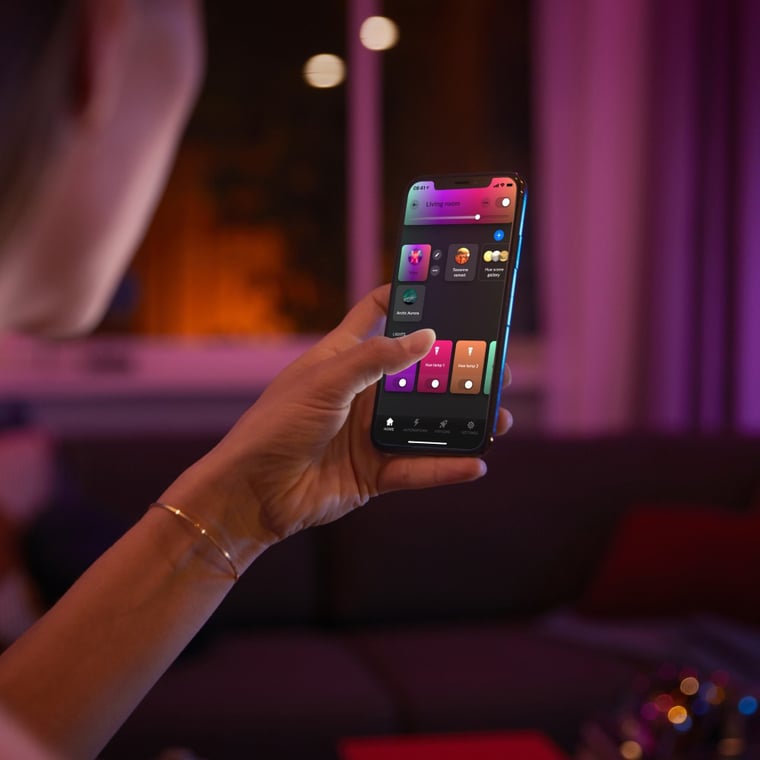
Smart bulbs are LED globes you control from your phone or a voice assistant: dim them, change their colour, and put them on a schedule. They go into the fittings you already have, so starting out is a straight swap.
Fittings
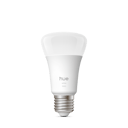
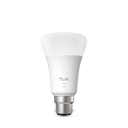
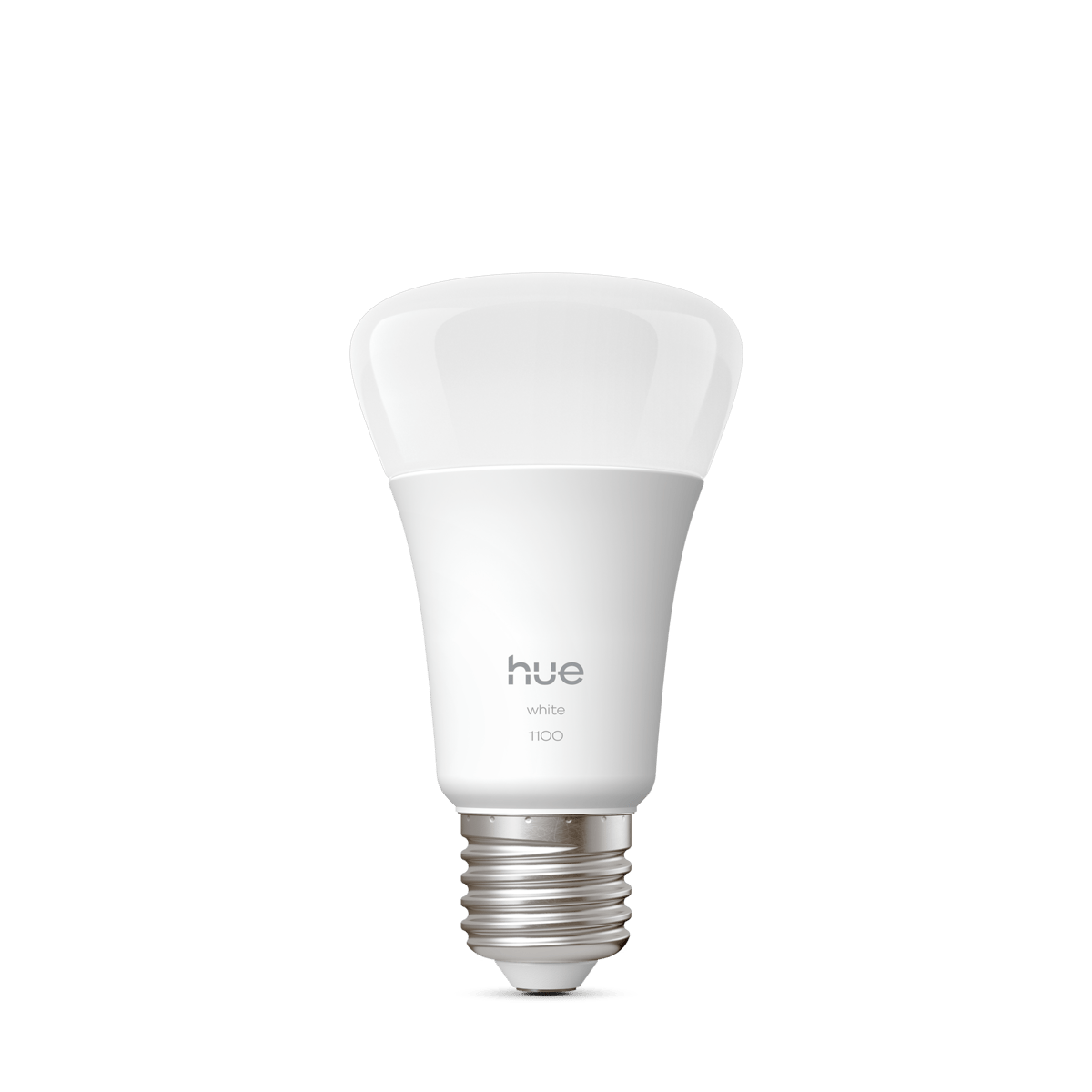
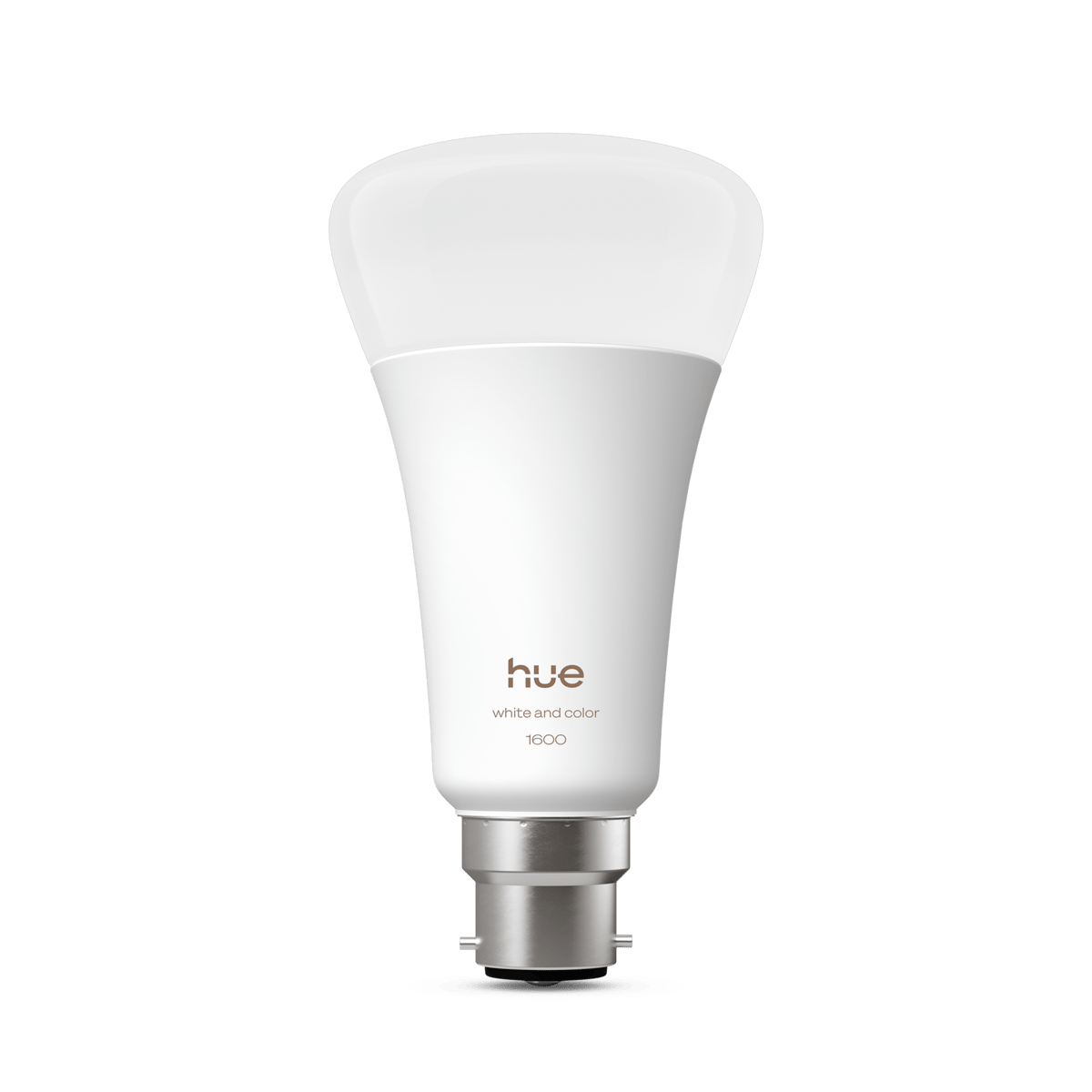
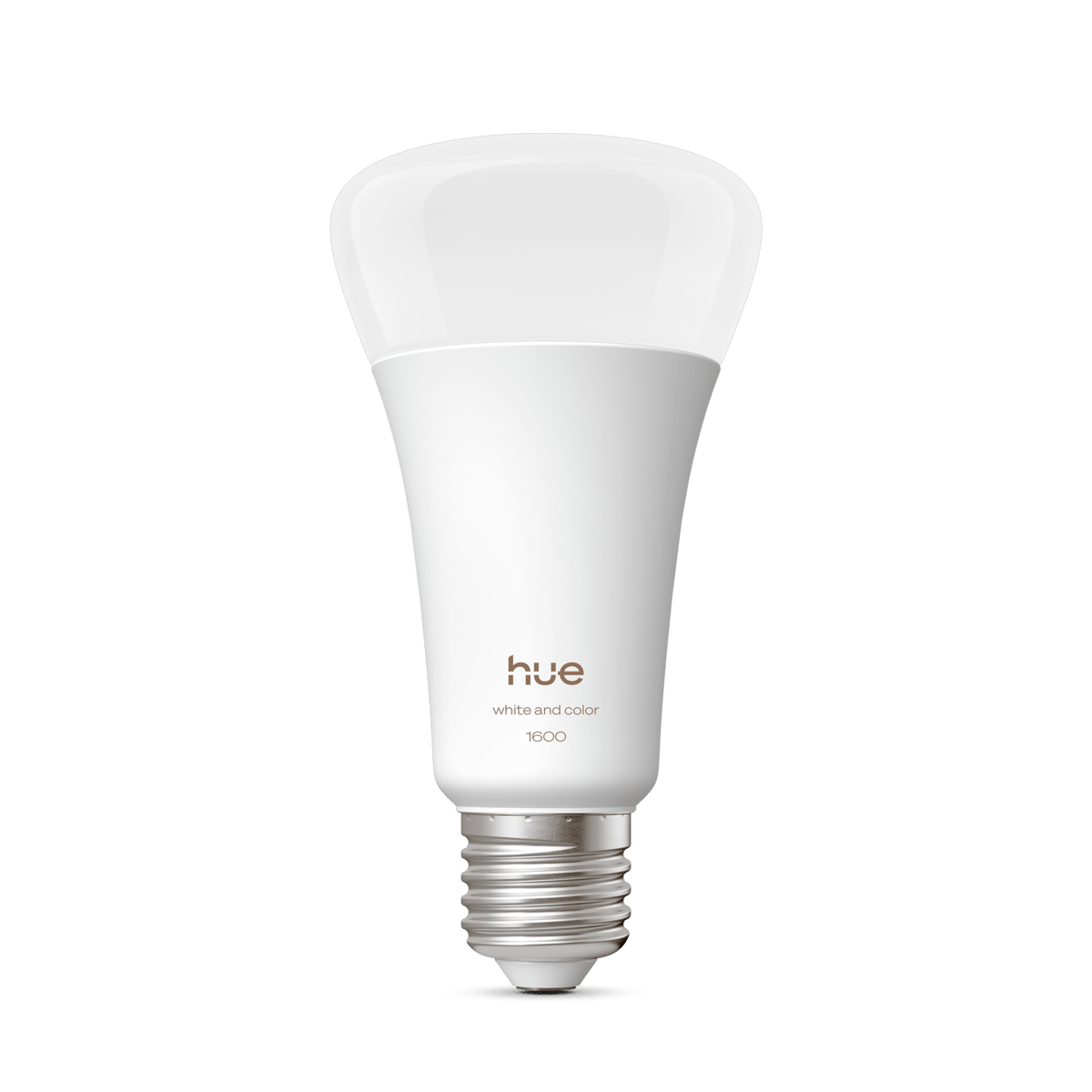
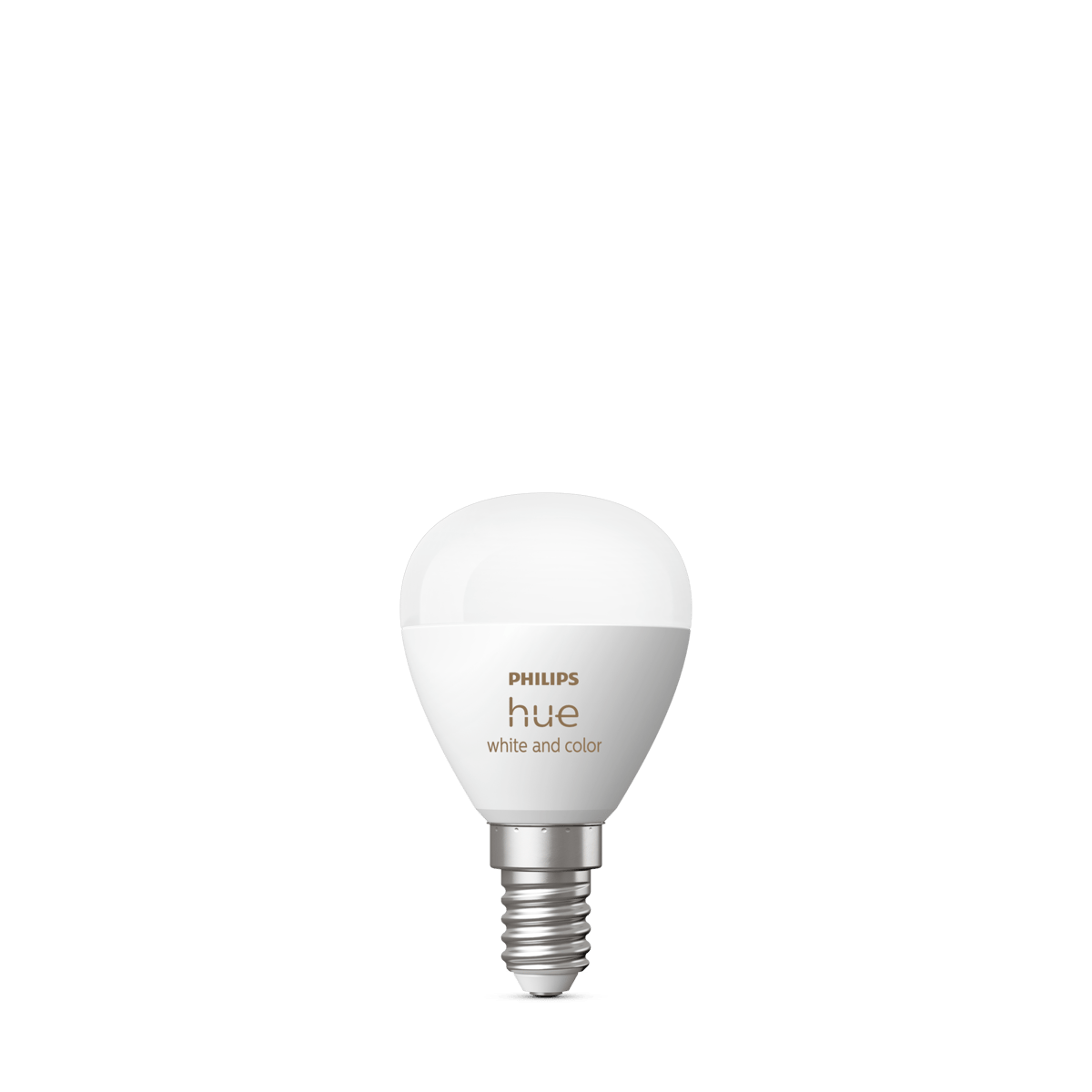
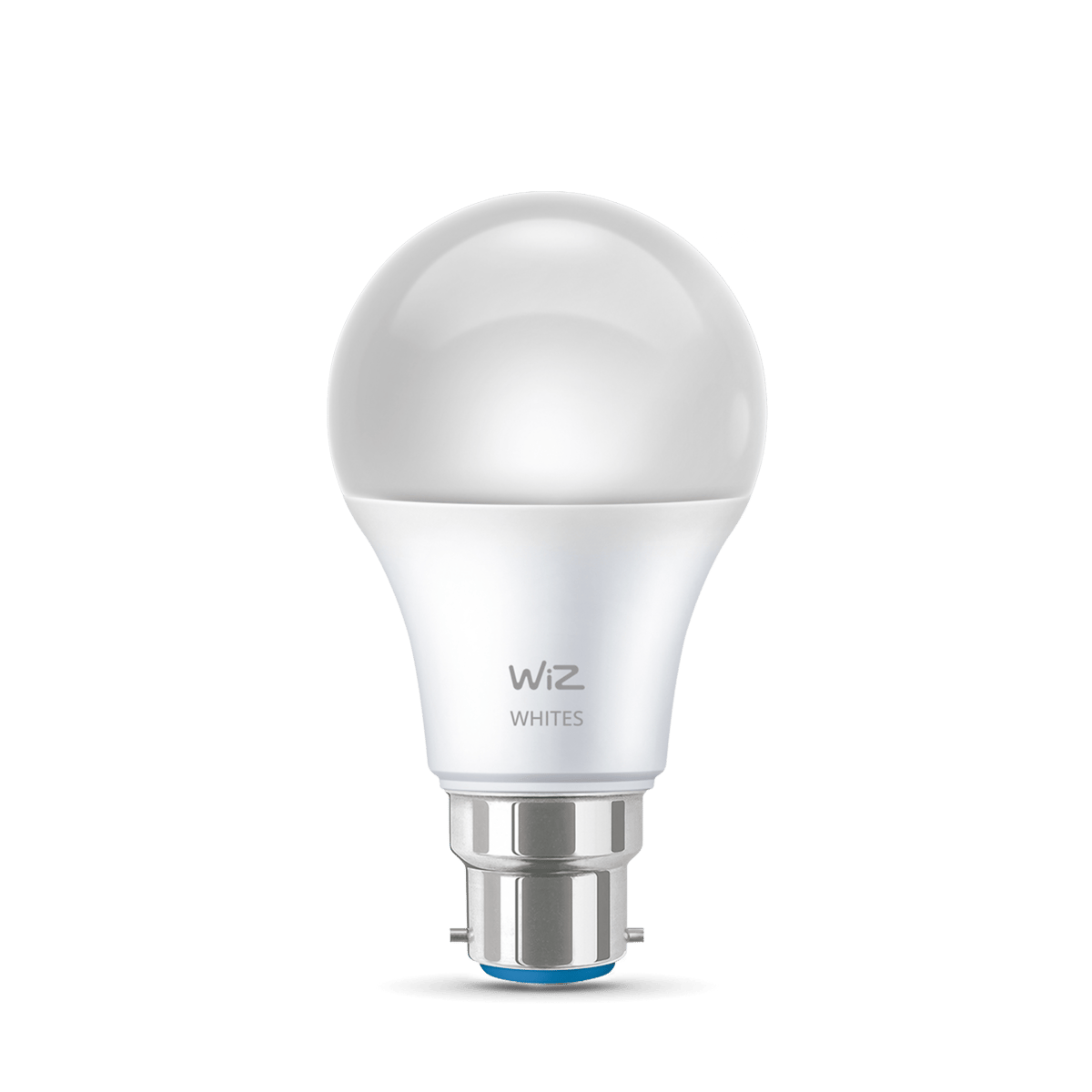
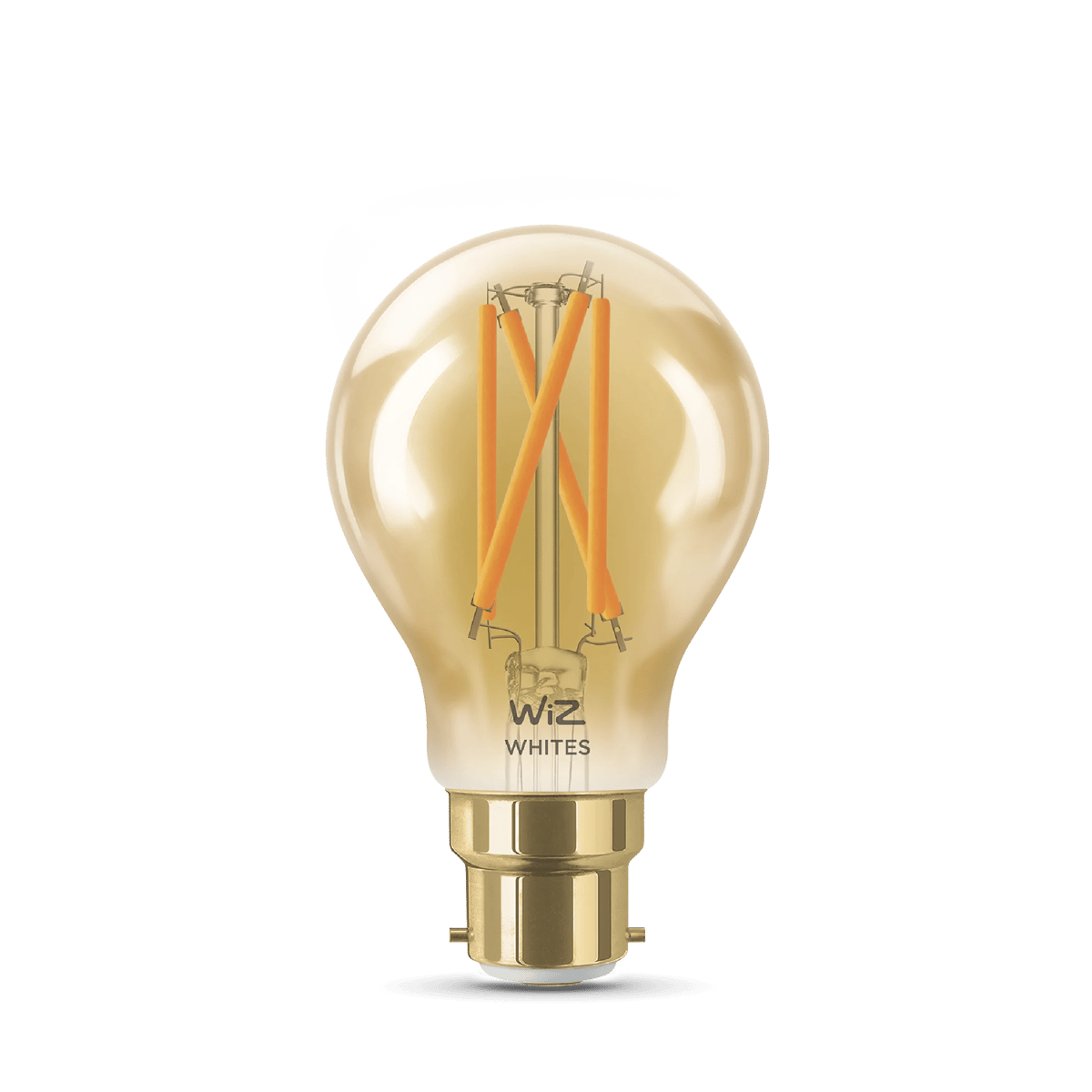
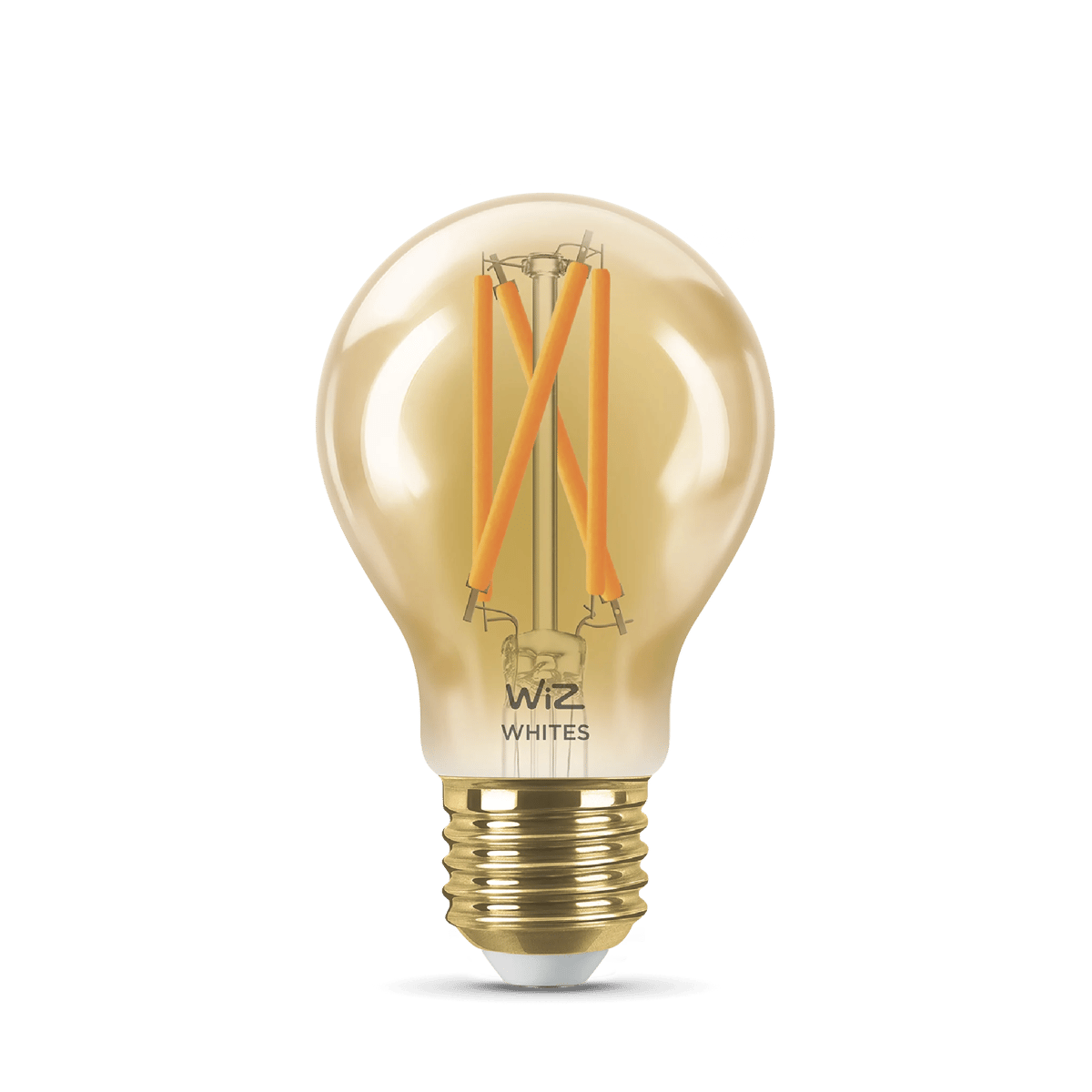
Australian homes use three common sockets: B22 (bayonet, push and twist), E27 (large screw) and E14 (small screw, common on lamps and candle fittings). The code is printed on the base of the globe you're replacing.
Shapes
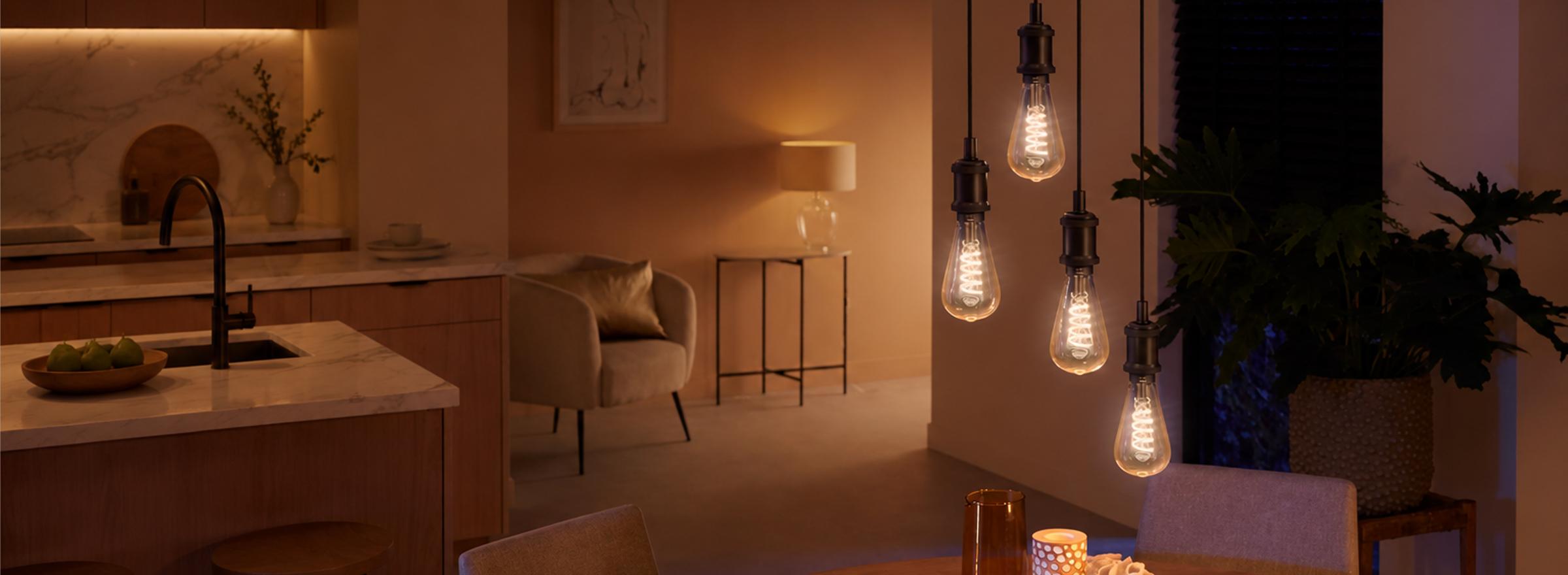
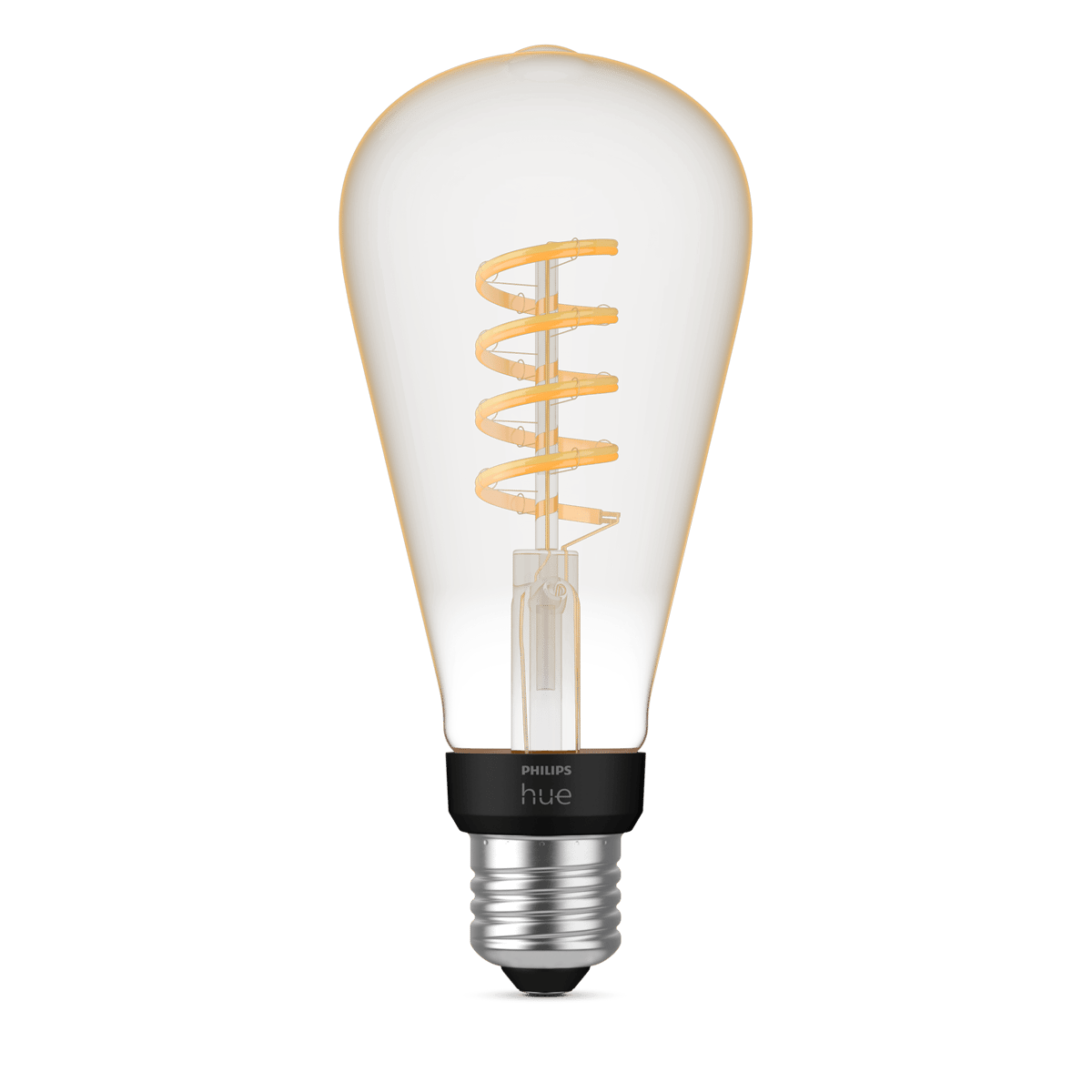
A60 is the standard pear shape most ceiling lights and lamps take. Candle and filament styles suit exposed fittings where the globe is part of the look.
Brightness and colour
Brightness is measured in lumens; around 800 lm matches an old 60 W globe. Colour temperature runs from warm white (2700 K) to cool daylight (6500 K), and full-colour globes add millions of colours on top.
Connection
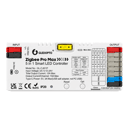
A smart globe connects one of two ways. A Wi-Fi light bulb joins your home network on its own, with no extra hardware to buy. The other way is through a hub, using Zigbee, Thread or Matter.


Filter guide
Which protocol should I pick?
Protocols are the wireless languages smart devices use to talk to each other. Some need a hub, some run straight off your Wi-Fi. Here's what each one means for your setup.
-
Zigbee
Low-power meshThe cleanest mesh for a bigger setup. Every mains-powered device repeats the signal, so coverage grows as you add more. Needs a hub like a Hue Bridge or SmartThings.
-
Wi-Fi
No hub neededThe simplest way to start. Plugs into your existing Wi-Fi with no extra hardware. Best for a handful of devices; very large setups can crowd the network.
-
Bluetooth
Direct, short-rangeGood for setup and close-range control from your phone. Range is short with no remote access on its own, so it's often paired with a hub or bridge.


None selected
Brightness guide
How much light do I need?
Brightness is measured in lumens, not watts. We've sorted globes into five bands so you can filter by how much light they actually put out, from a soft bedside glow to an outdoor floodlight. Here's what each band covers.
-
Soft
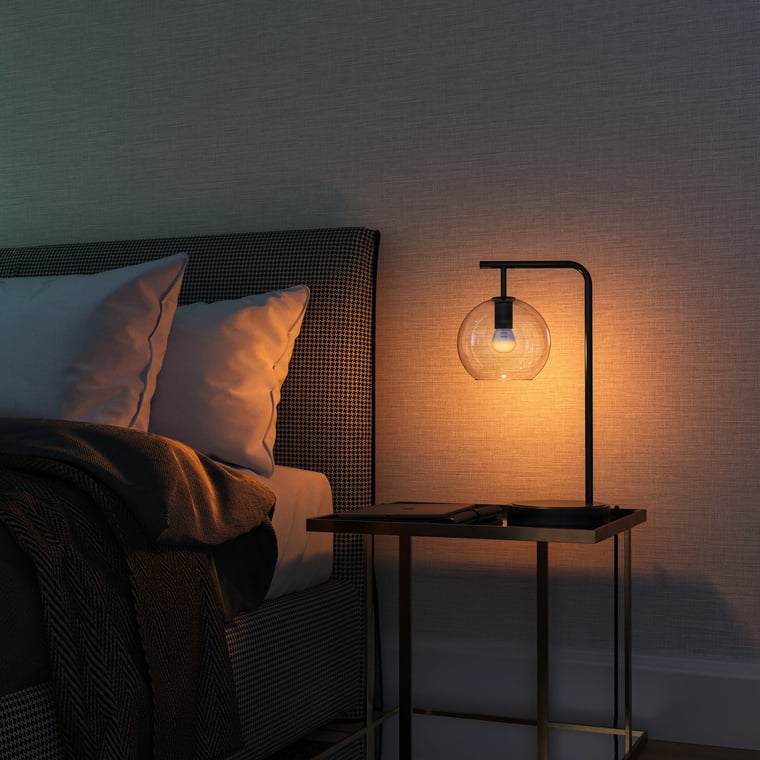
Up to 450 lmUp to 450 lumens, about what a 40W globe used to give. A soft, gentle glow for bedside lamps, candle globes and accent lighting, rather than lighting a whole room.
-
Standard
450 to 800 lm450 to 800 lumens, near a classic 60W globe. The everyday choice for a table lamp or a single-globe fitting in a bedroom, hallway or living room.
-
Bright
800 to 1500 lm800 to 1500 lumens, around a 75 to 100W globe. Proper room lighting for downlights, a bright pendant or the main light in a living area or kitchen.
-
Very bright
1500 to 3000 lm1500 to 3000 lumens of clear, high output for large or open-plan rooms, kitchens and task lighting. Often one fitting doing the work of several globes.
None selected
Colour guide
Warm, cool, or full colour?
Globes come in three options: a fixed warm white, an adjustable warm-to-cool white, or the full colour spectrum.
-
White
Fixed warm whiteA fixed warm white, the cosy lamp-like glow most globes default to. You can't change the colour from the app.
-
Warm to Cool White
Warm to coolAdjustable white that runs from warm and cosy to crisp and cool, so one globe suits both relaxing and focused rooms.
-
Colour
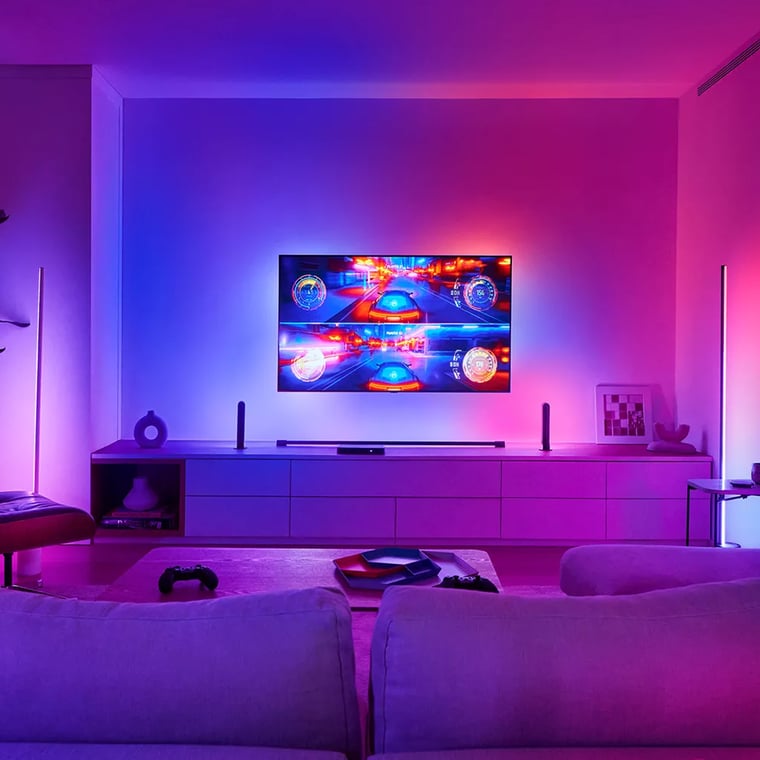
Full colour and whiteThe full spectrum: millions of colours plus tunable white, for scene lighting, accents and a bit of fun.
None selected
Fitting guide
Which fitting do I need?
The cap on the base of the globe decides what fits the socket. The code is usually printed on the old globe or the fitting itself.
-
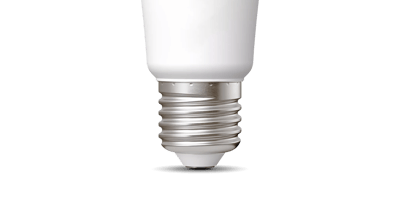
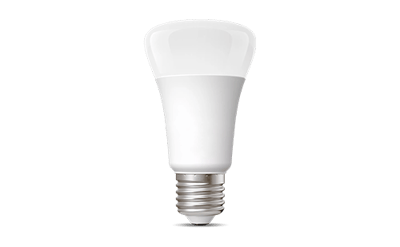
E27
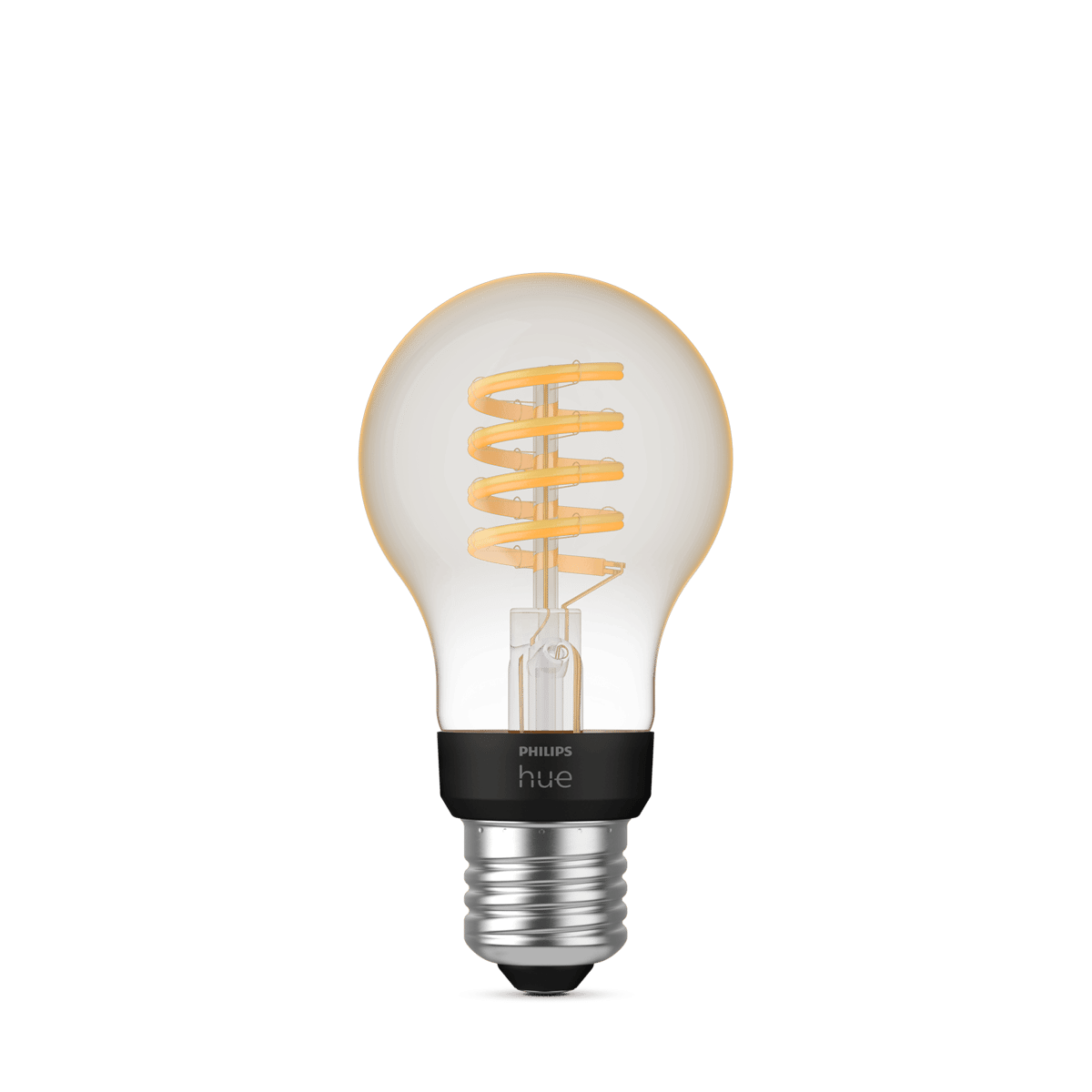
Edison screw · largeThe big screw-in base, 27mm across. It's the default for most pendants, lamps and standard fittings in Australia, so if you're not sure, it's probably this one. The size is printed on the base of the globe you're replacing.
-
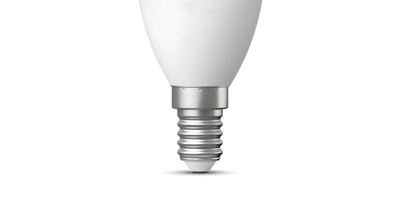
E14
Edison screw · smallThe smaller screw base, 14mm across. You'll see it on candle and fancy-round globes, bedside lamps and some rangehoods. Same screw action as E27, just narrower.
-
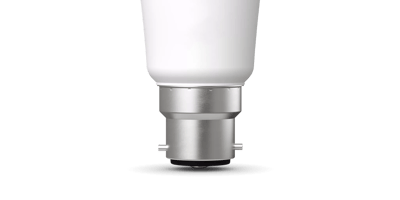
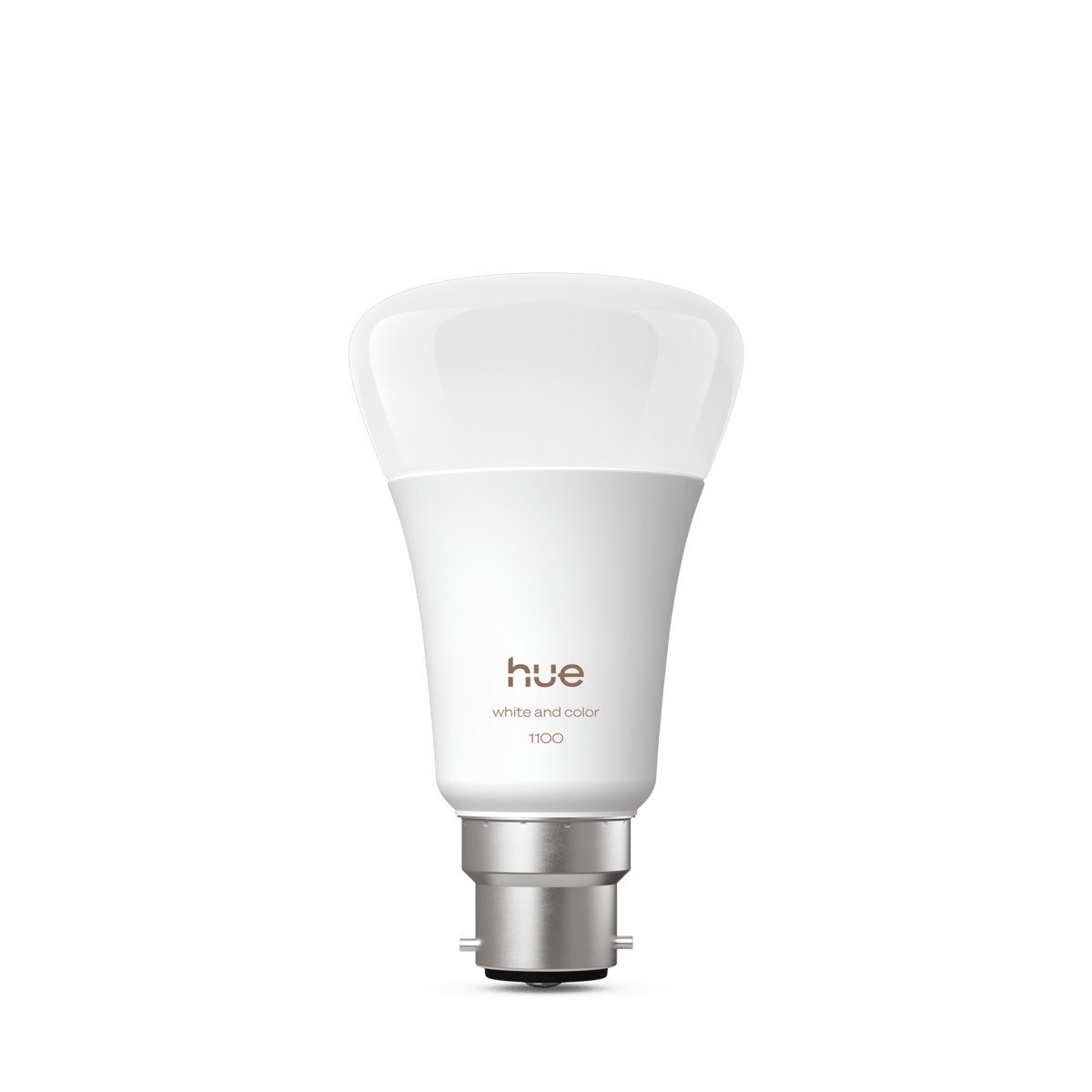
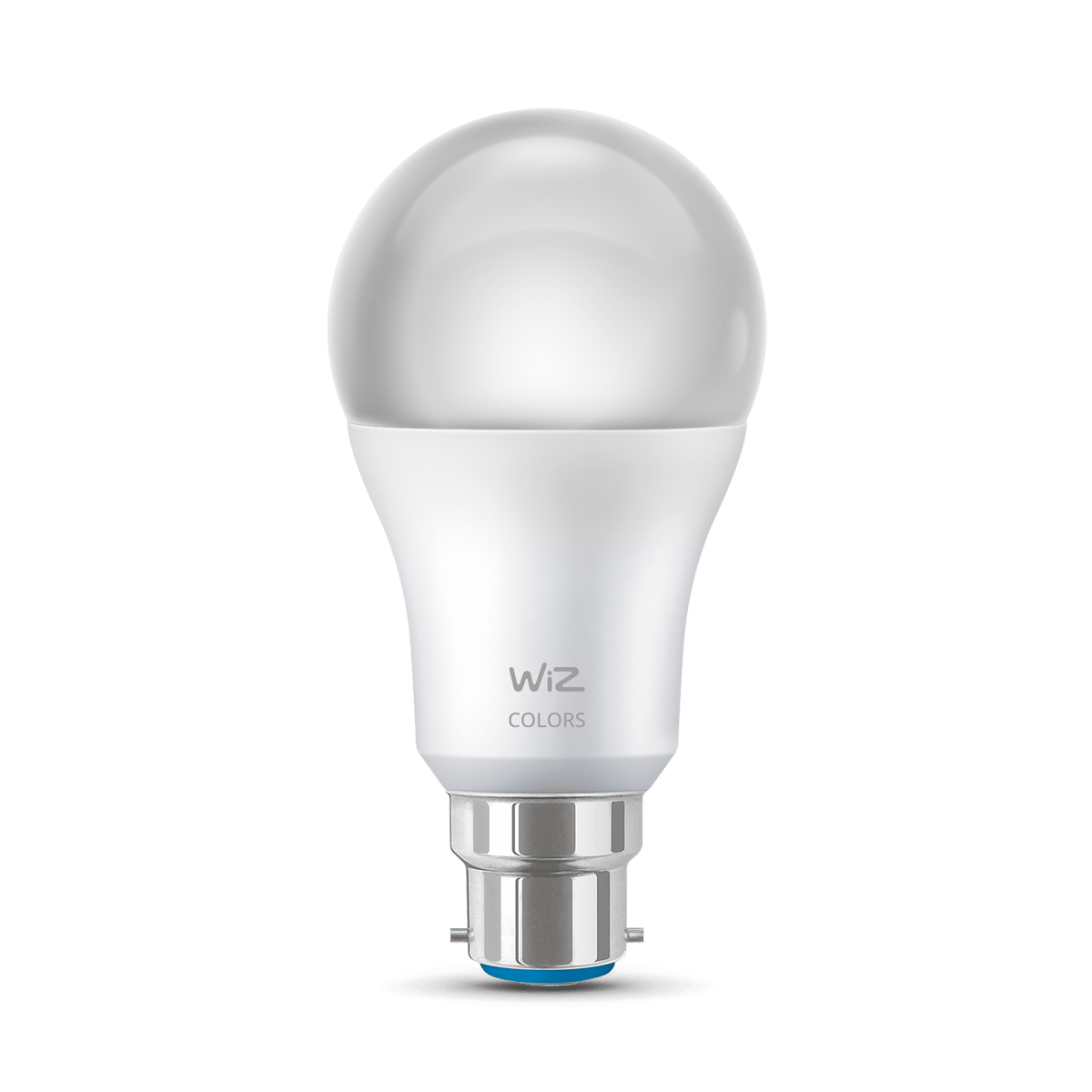
B22
Bayonet · largeThe push-and-twist bayonet base: line up the two pins, push in and turn a quarter to lock. It's been the classic Australian fitting for decades, so it's still common in older homes.
-
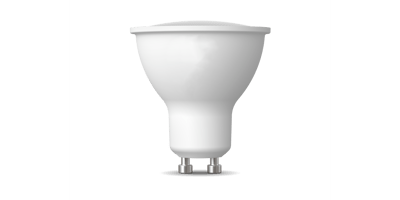
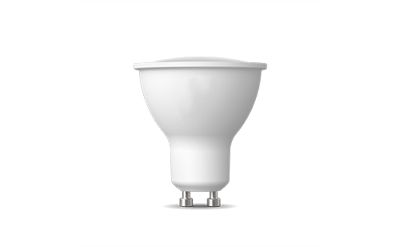
GU10
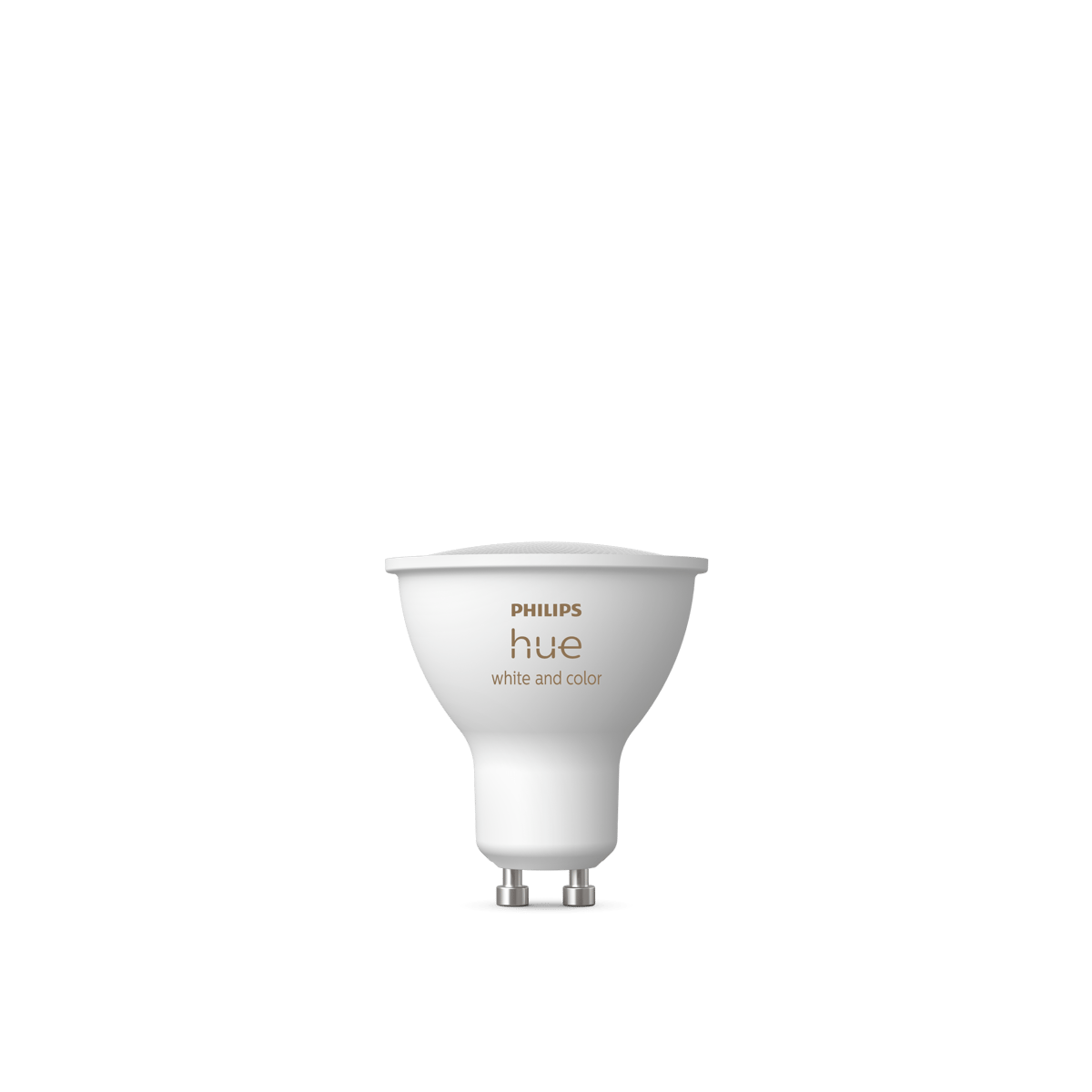
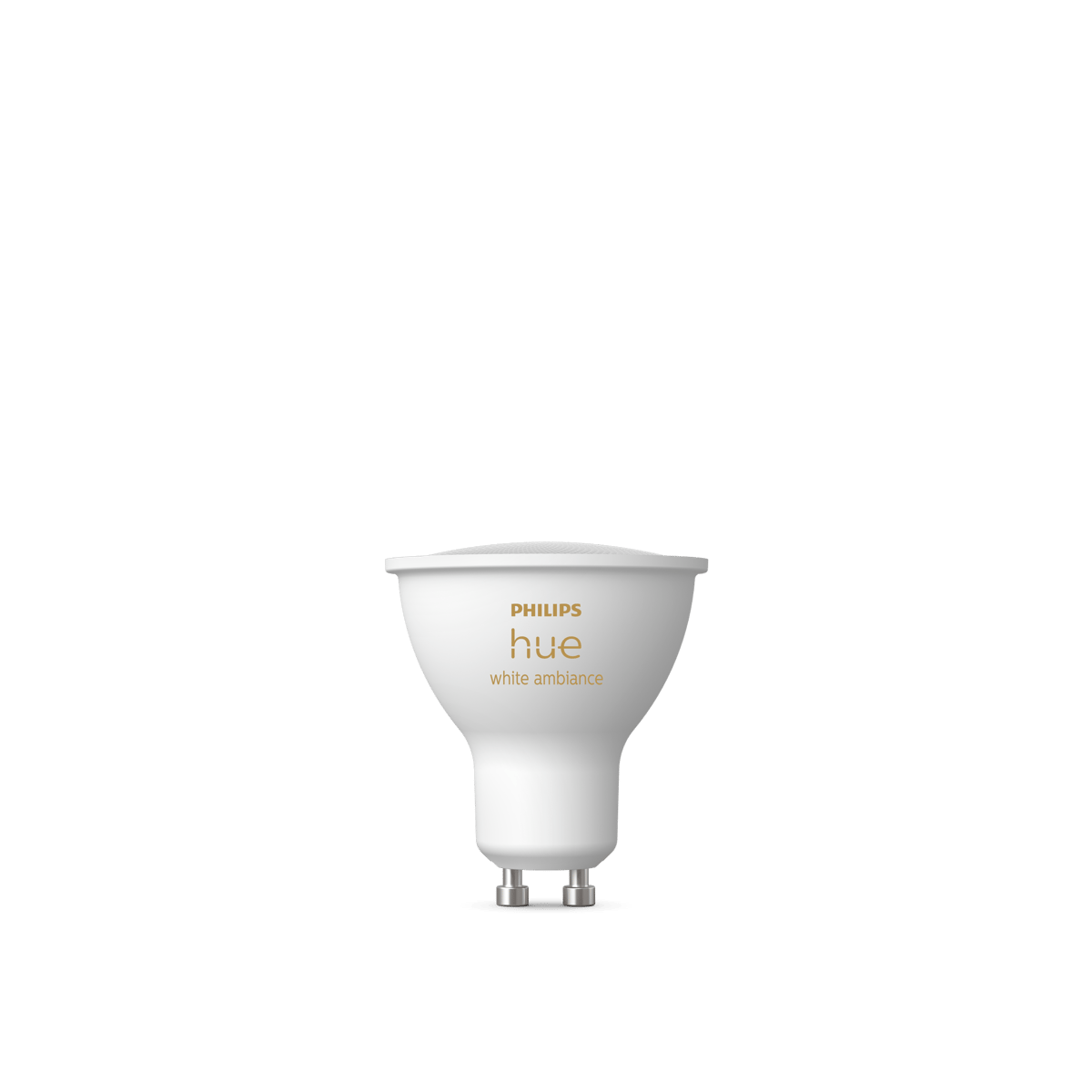
Twist-lock · mainsThe mains-voltage spotlight base: two chunky pins that push in and twist a quarter-turn to lock. It runs straight off mains power with no transformer, and it's the standard for modern downlights and track spots.
-
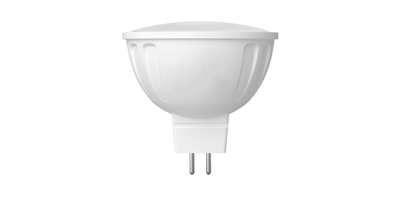
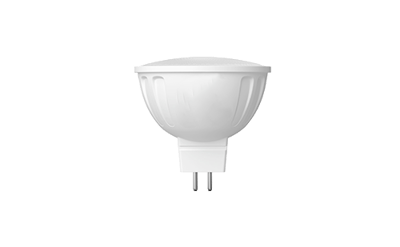
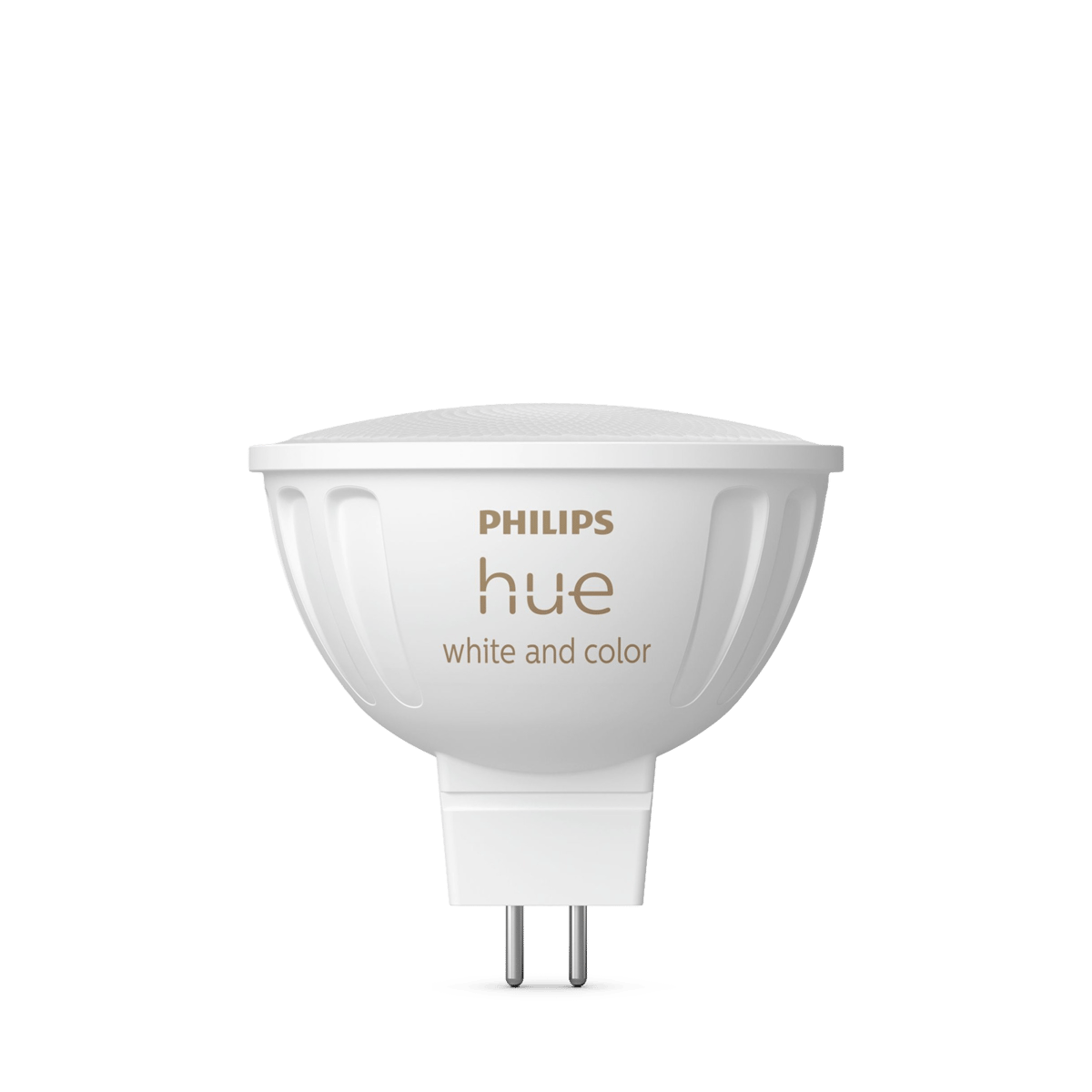
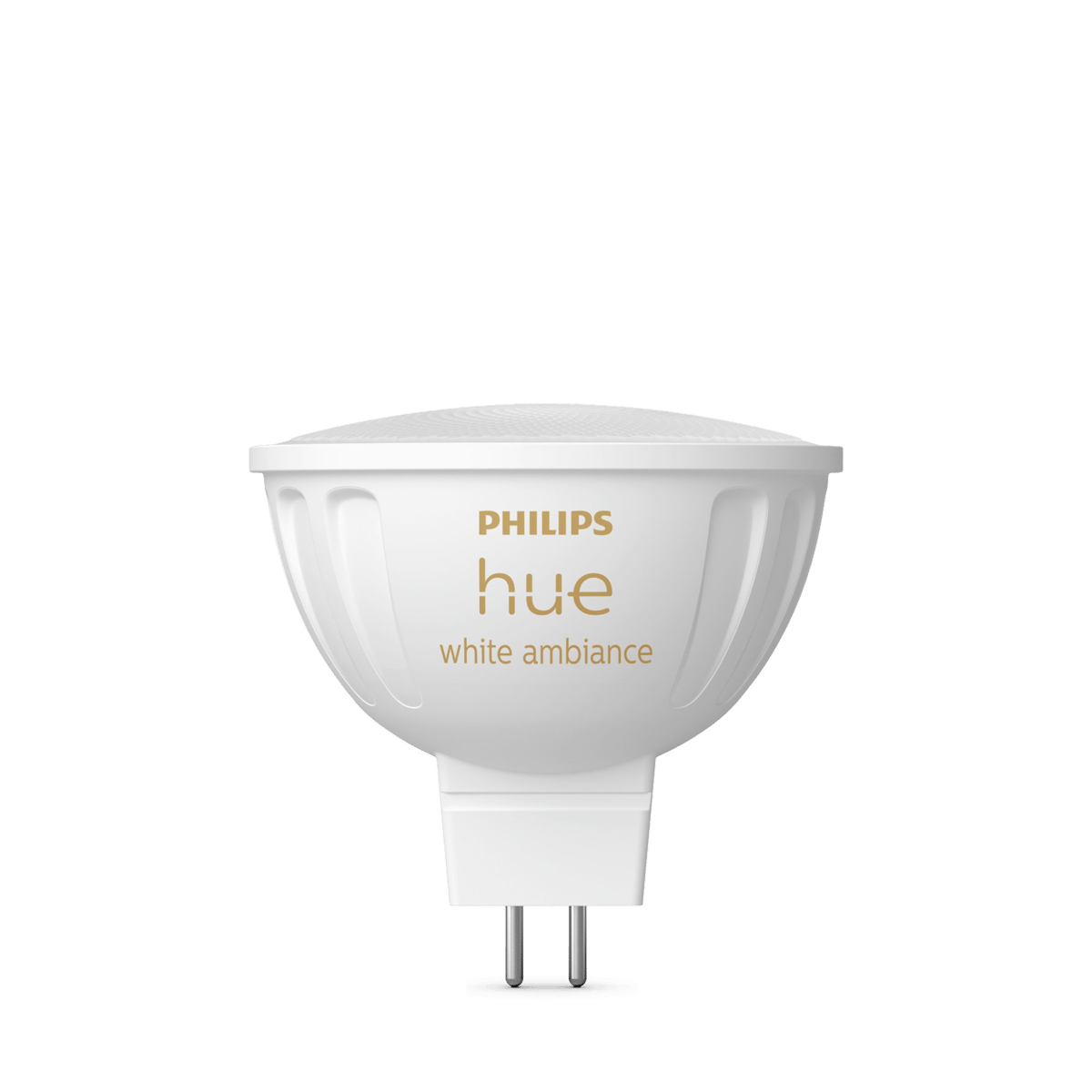
GU5.3
Push-fit pins · 12VThe bi-pin base: two thin pins, 5.3mm apart, that push straight into the socket. It's the base fitted to MR16 low-voltage spotlights, which run through a transformer.
None selected
Shape guide
What do these shapes mean?
The shape is the silhouette of the globe or fitting. Some shapes are about the look, like vintage filament or candle styles, and some need to suit your fitting or shade. Here's what each one is.
-
A60
Classic globeThe classic lightbulb silhouette and the safe default. At 60mm wide it fits most pendants, lamps and standard fittings, so if you just want a normal globe, this is it.
-
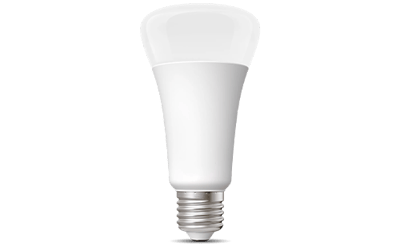
A67
Large classic globeA bigger version of the classic A60, 67mm wide. The extra size makes room for more output, so you'll see it on brighter or higher-wattage globes. Check your shade has the clearance.
-
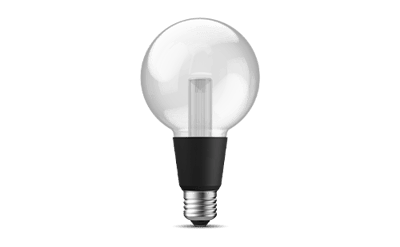
G95
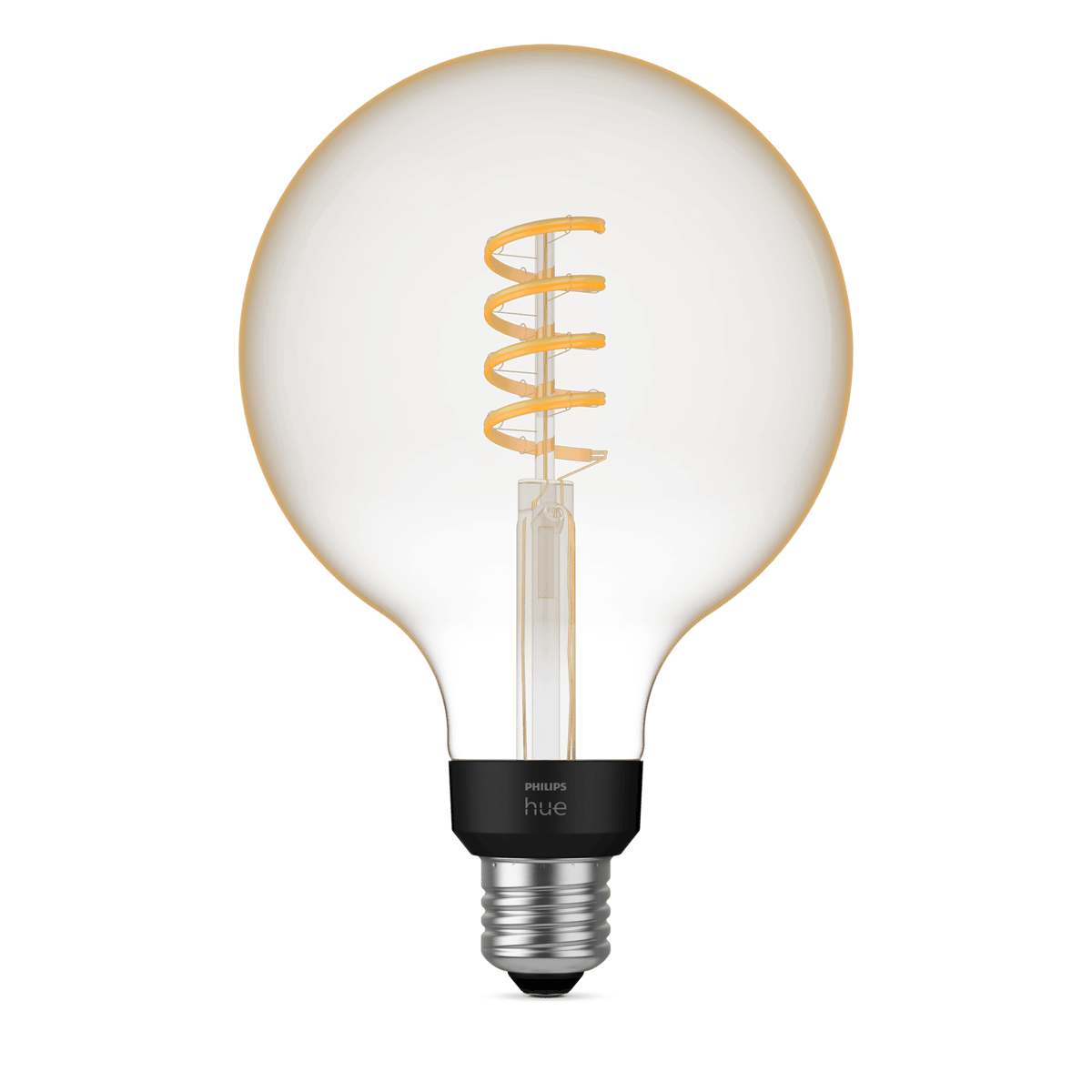
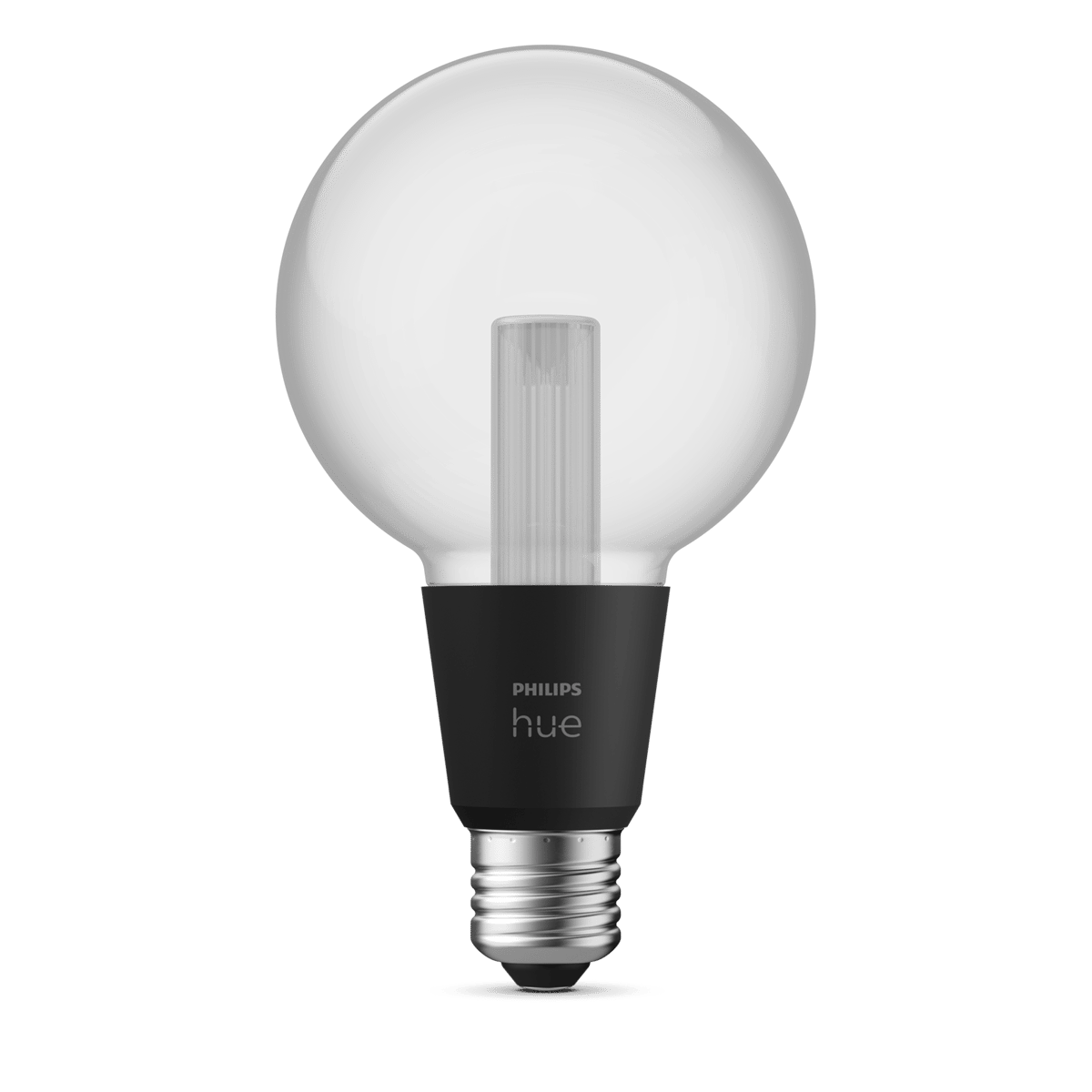
Large round · 95mmA big round globe, 95mm wide, made to be seen. It suits open pendants and bare-bulb fittings where the globe itself is part of the look. Make sure the fitting can take the size.
-
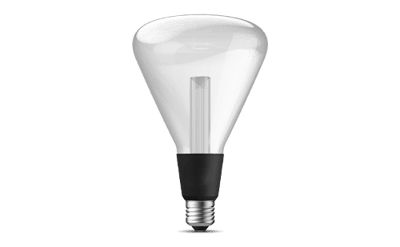
Triangle
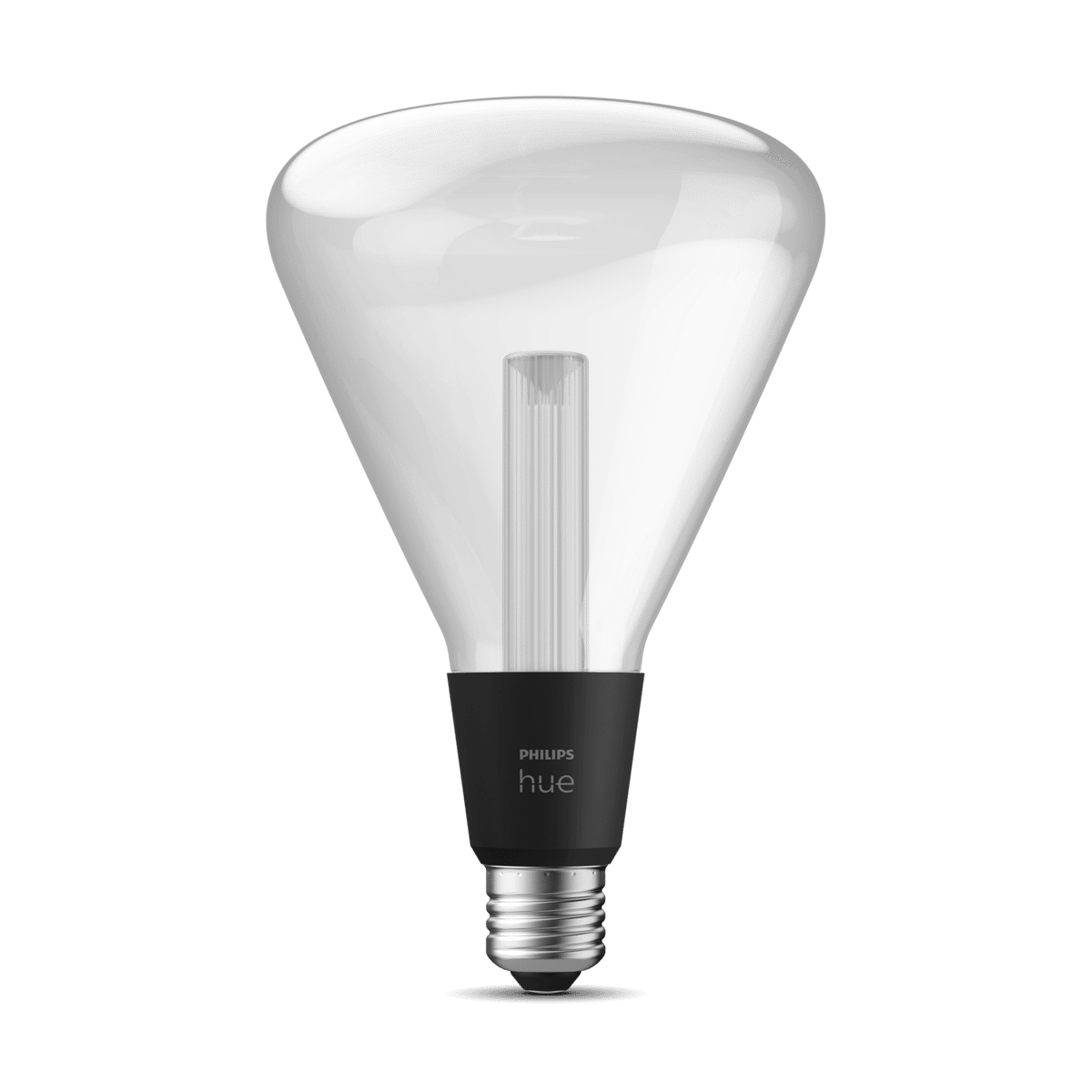
Triangular globeA decorative globe with a triangular profile. It's a statement shape for open pendants and bare fittings where the bulb is part of the look.
-
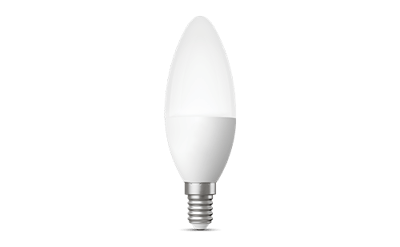
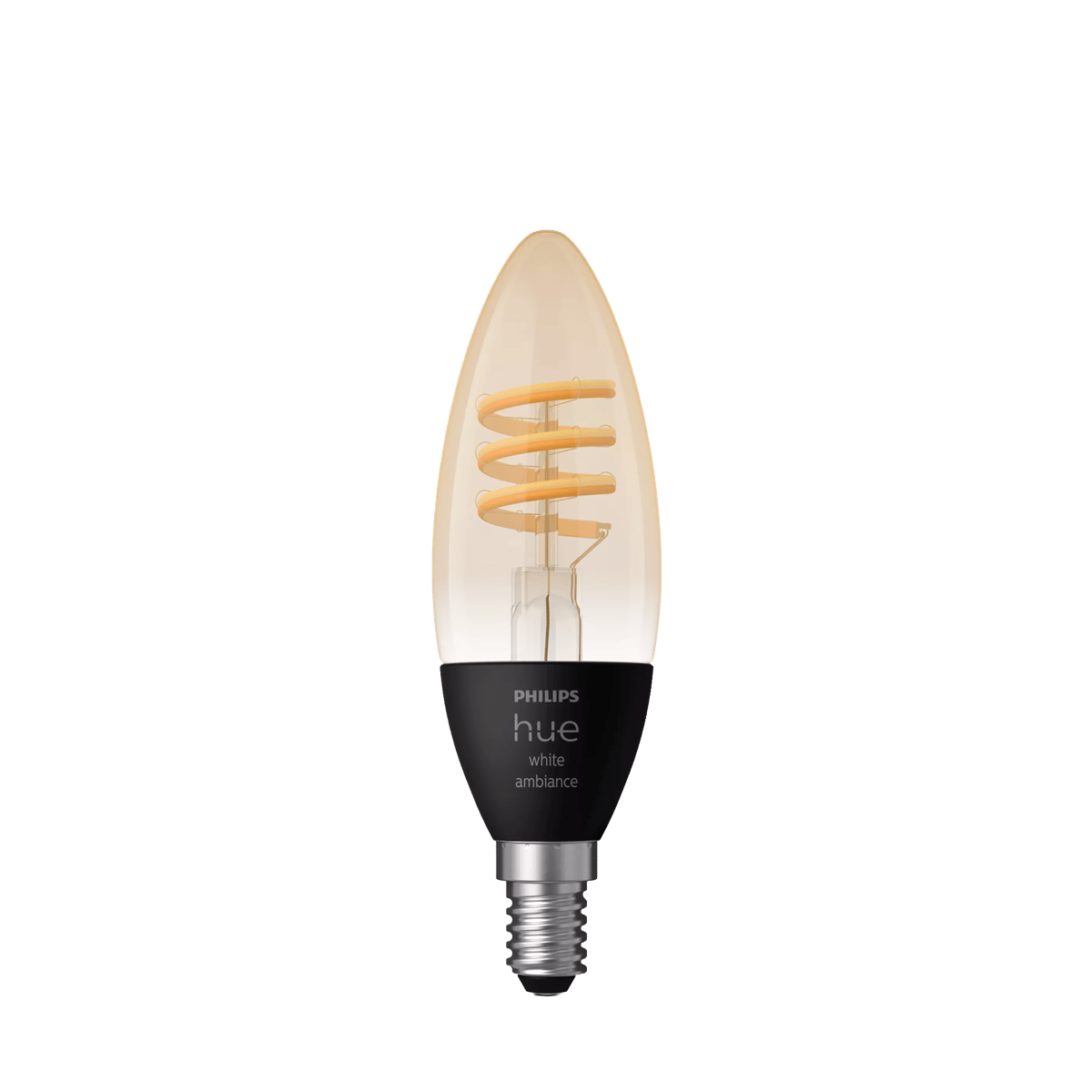
Candle
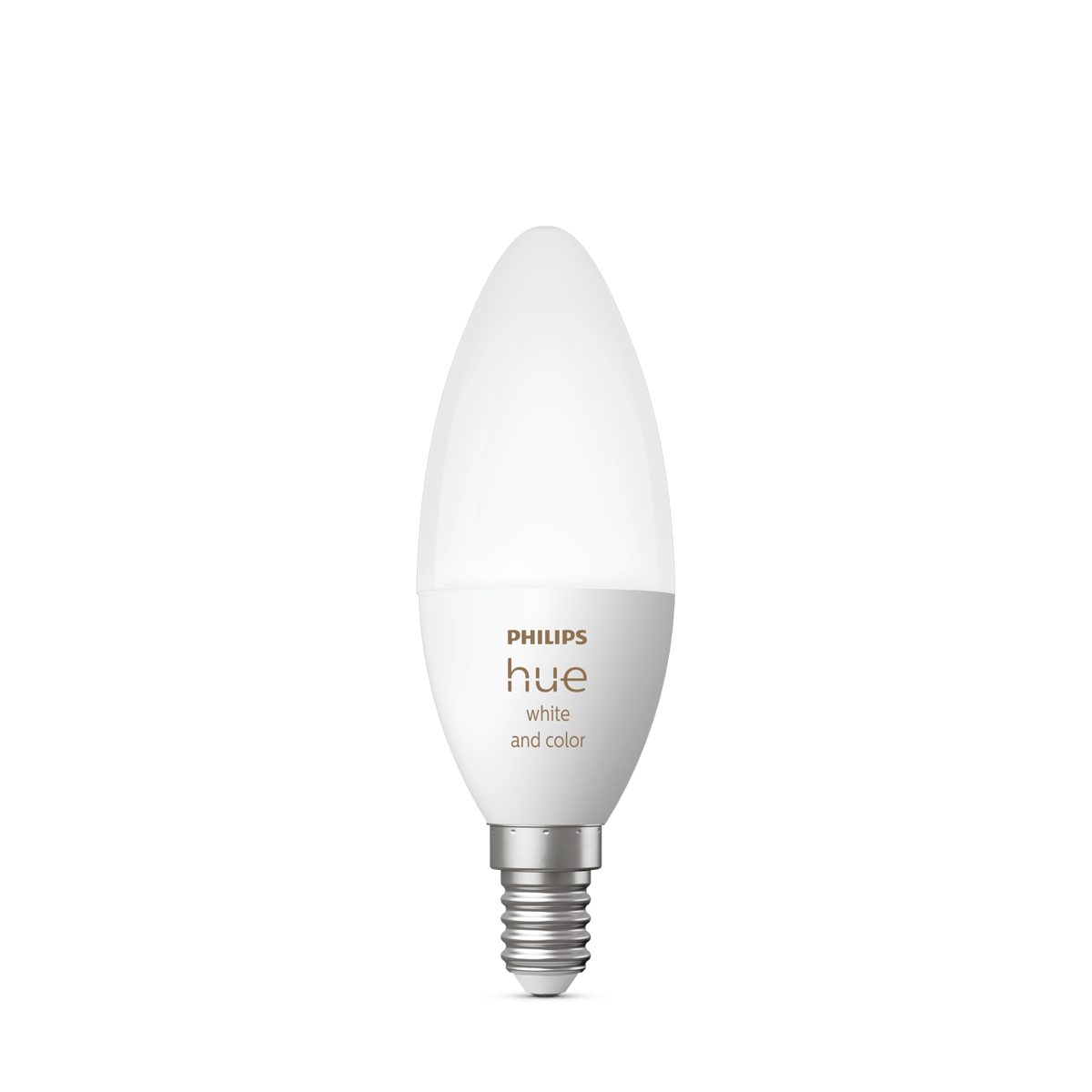
Tapered flame shapeThe slim, flame-tipped shape made for chandeliers, wall sconces and candelabra. It points upward like a candle, so it looks right in fittings where the globe shows.
-
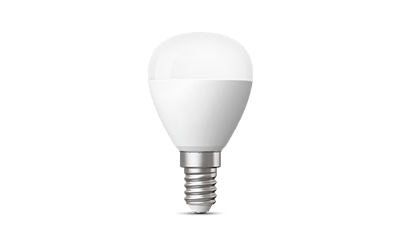
Fancy round
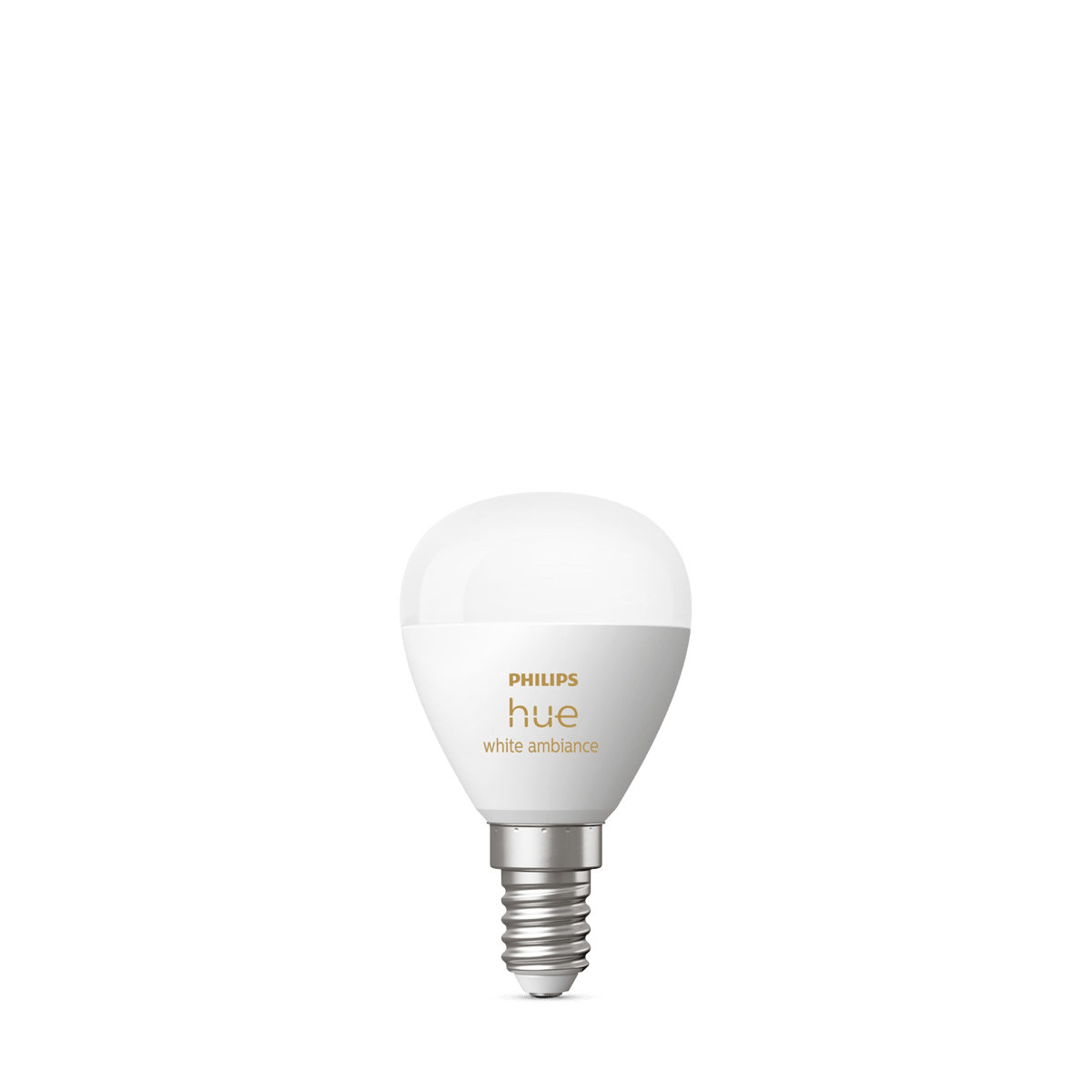
Small decorative sphereA small, neat sphere, roughly golf-ball sized. It's a tidier decorative round for pendants, bedside lamps and fittings where a full-size globe would look bulky.
-
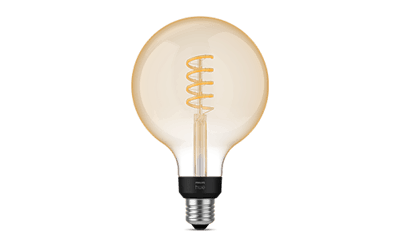
Filament
Exposed filament lookThe exposed-filament look: thin LED strands you can see through clear glass, for a warm vintage glow. Best left on show in open pendants and bare fittings rather than hidden in a shade.
-
GU10 (shape)
Mains spotlightThe mains-voltage spotlight shape: a short cone that throws light in one direction, with a twist-lock GU10 base. It's the standard for modern downlights and track spots.
-
MR16 (shape)
Low-voltage spotlightThe low-voltage spotlight shape, a directional cone like a GU10 but with two push-in pins and a transformer behind it. You'll mostly find it in older downlights.
None selected
Tap smart bulbs to compare them
That's the most you can compare at once

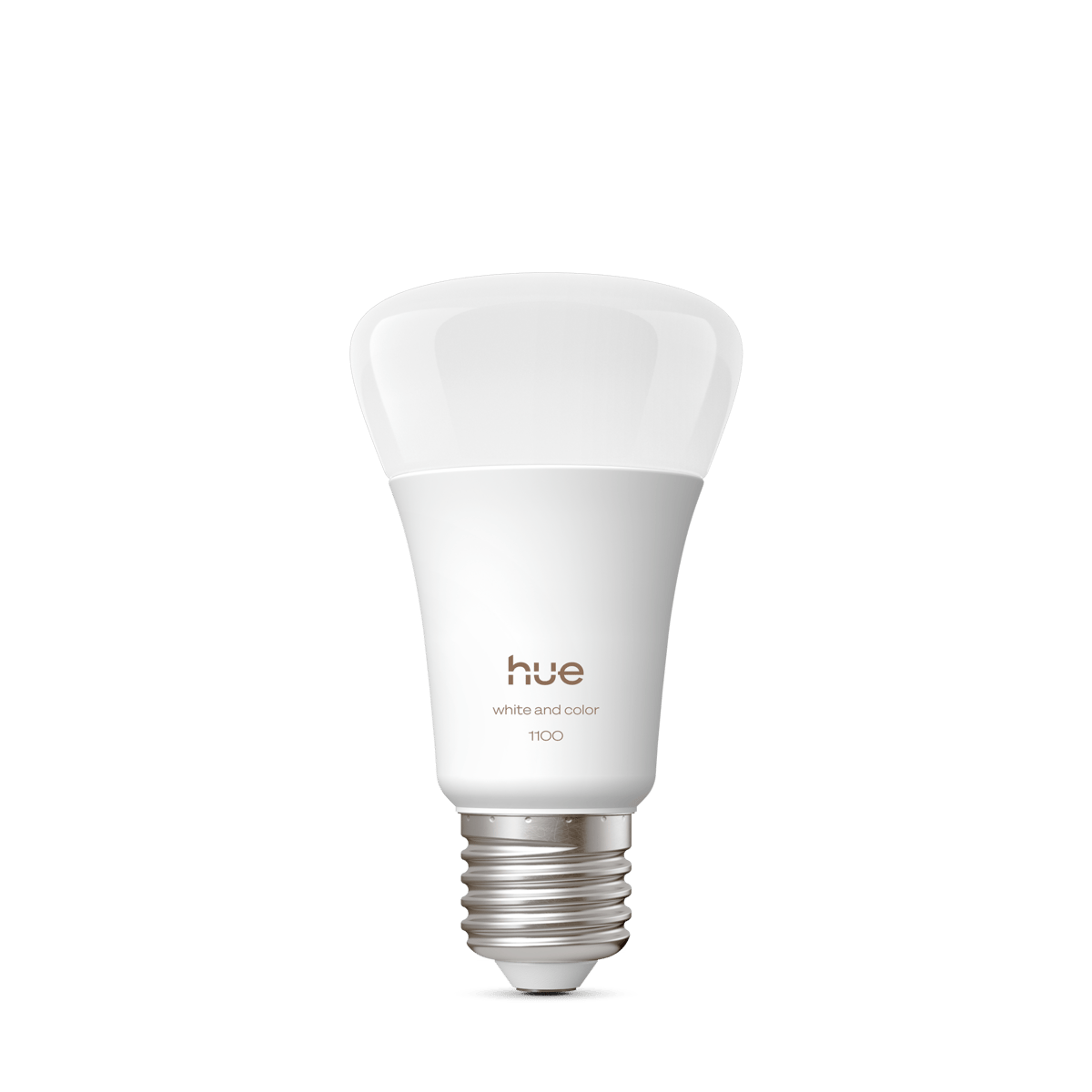

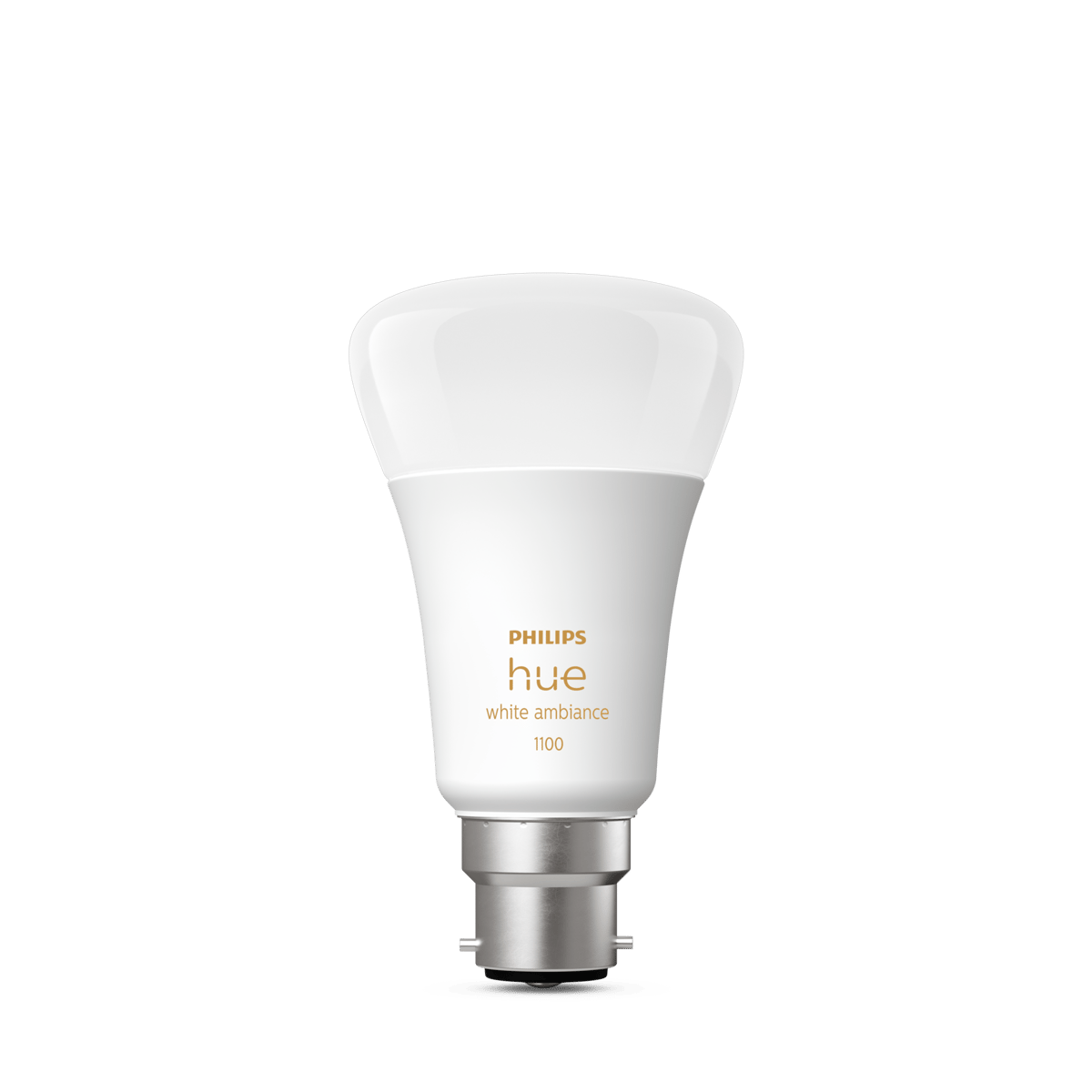

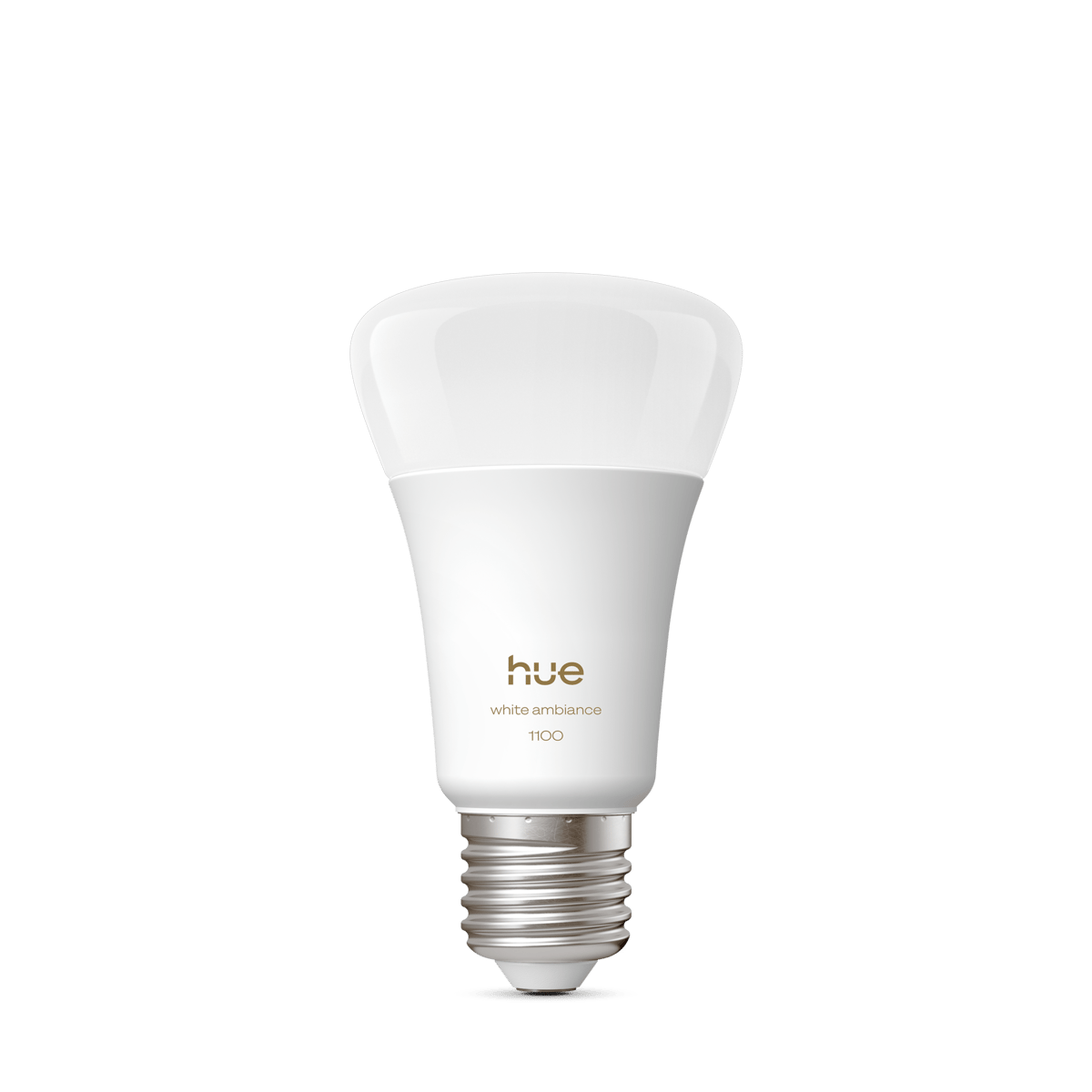

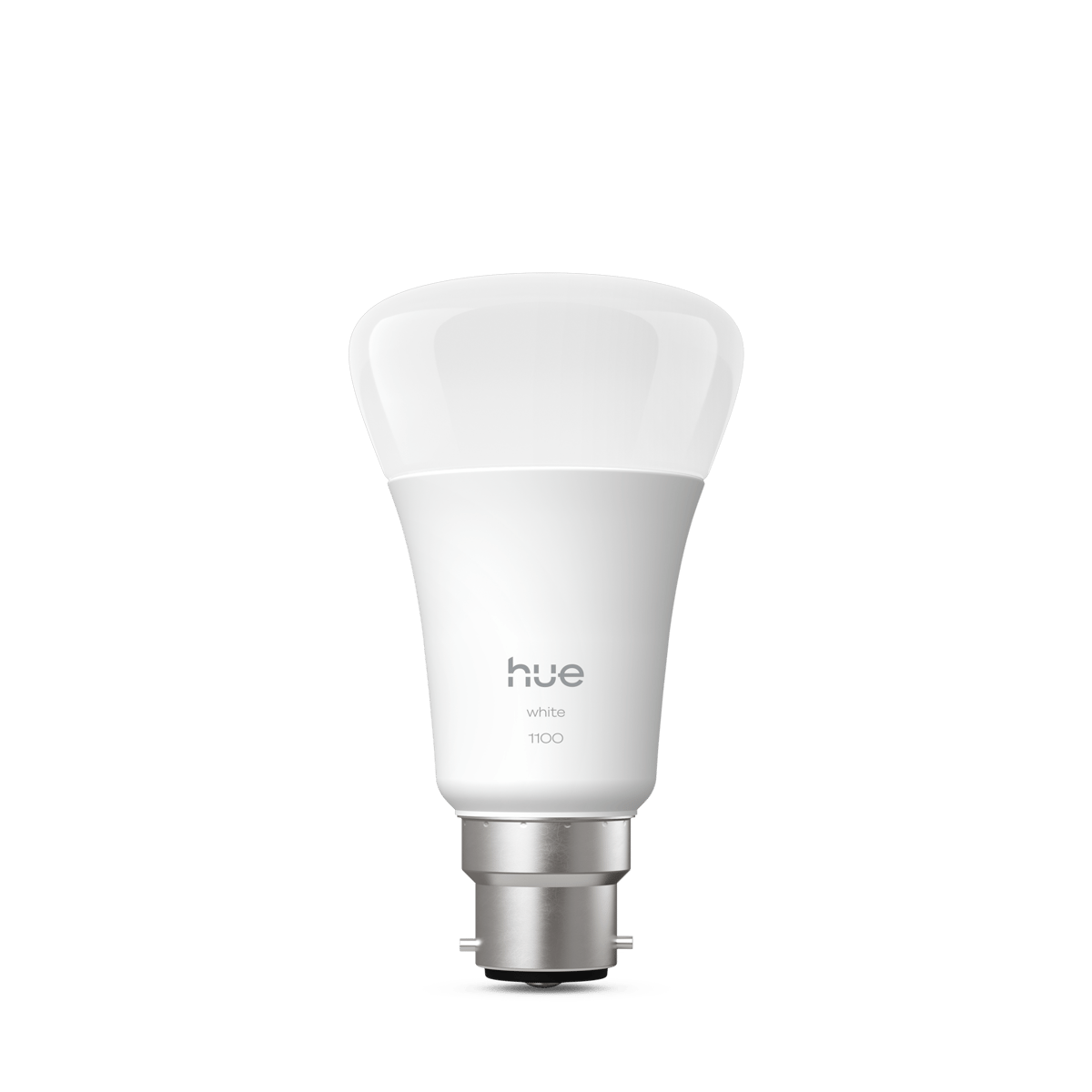





















No products match those filters.
More about smart bulbs
Choosing smart bulbs.
Match the fitting you have
Take out the globe you're replacing and check the code printed on the base before you buy. Most Australian ceiling fittings are B22 or E27, and the two aren't interchangeable. Buying one bulb to confirm the fit before ordering a whole room's worth saves a return.
Set the mood, room by room
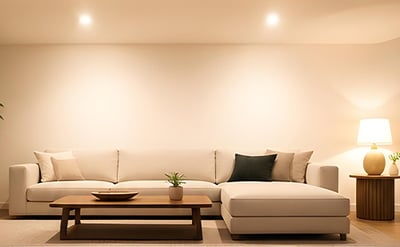
Go bright and cool where you work, warm and dimmable where you rest. Kitchens, laundries and desks suit 1,000 lm and up at the daylight end; bedrooms and lounge rooms sit happily near 800 lm warm white. A colour changing light bulb earns its keep in kids' rooms and media corners; warm-to-cool white covers everywhere else for less.
Check how it connects
Some globes join your Wi-Fi on their own, others run through a hub for faster, steadier control across a whole home. Either way, make sure the bulb works with the app or voice assistant you already use, whether that's Alexa, Google Home or Apple Home.
What you can do with them
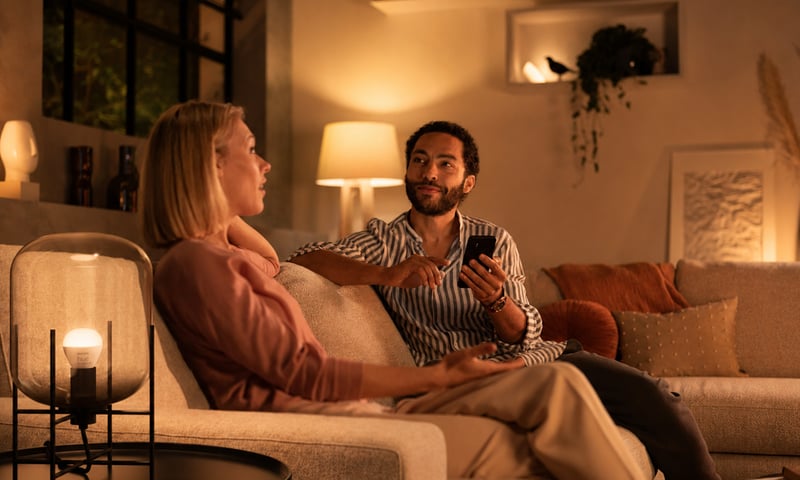
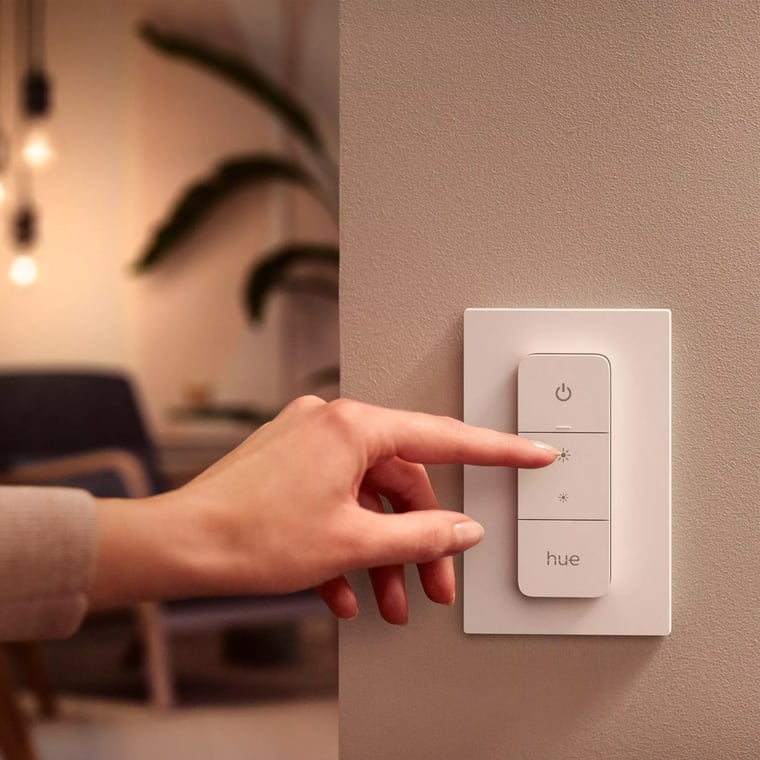
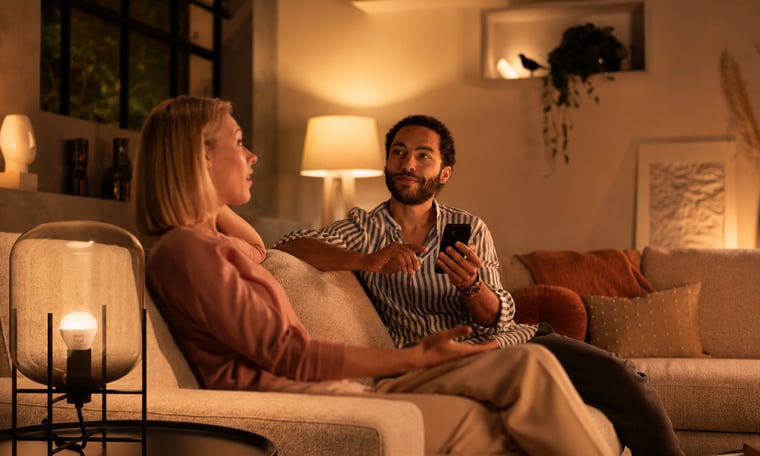
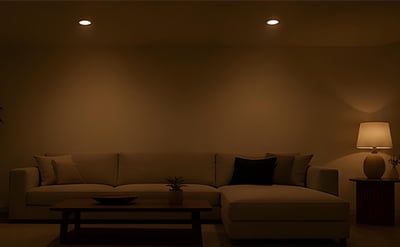
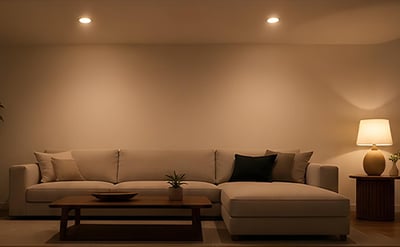
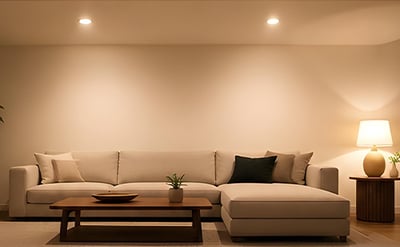
Dim the lights from the couch for movie night
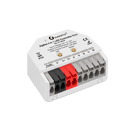
Drop the lights to a glow from the couch, then bring them back up when it's time to tidy. Fit a Shelly dimmer behind the wall plate, or swap to Philips Hue bulbs and use the app. Control with any of


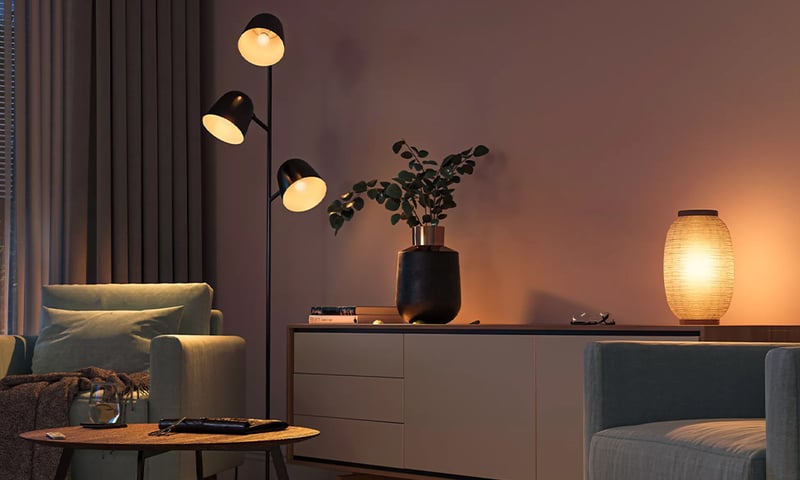
Lights that dim on a schedule each evening
The lights fade down to a low glow after dinner instead of snapping between full and off. Do it with a Shelly dimmer behind the wall plate or Philips Hue bulbs, in their app or Home Assistant. Control with any of 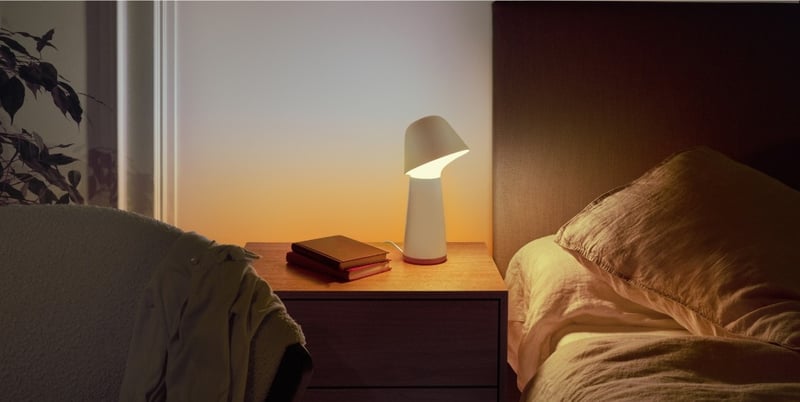
Lights that fade up to wake you in the morning
The bedroom lights come up slowly before your alarm, so you wake to a lit room instead of a dark one. Do it with a Shelly dimmer behind the wall plate or Philips Hue bulbs, in their app or Home Assistant. Control with any of 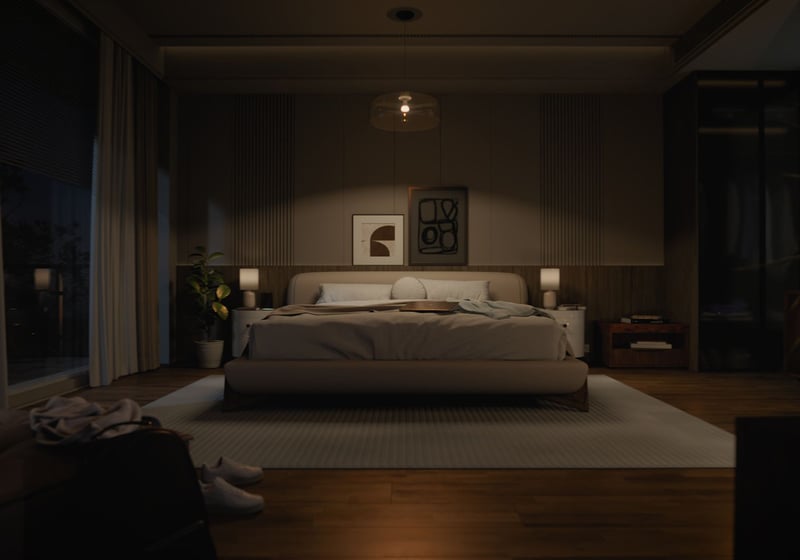
Lights that come on as you walk in, softer late at night
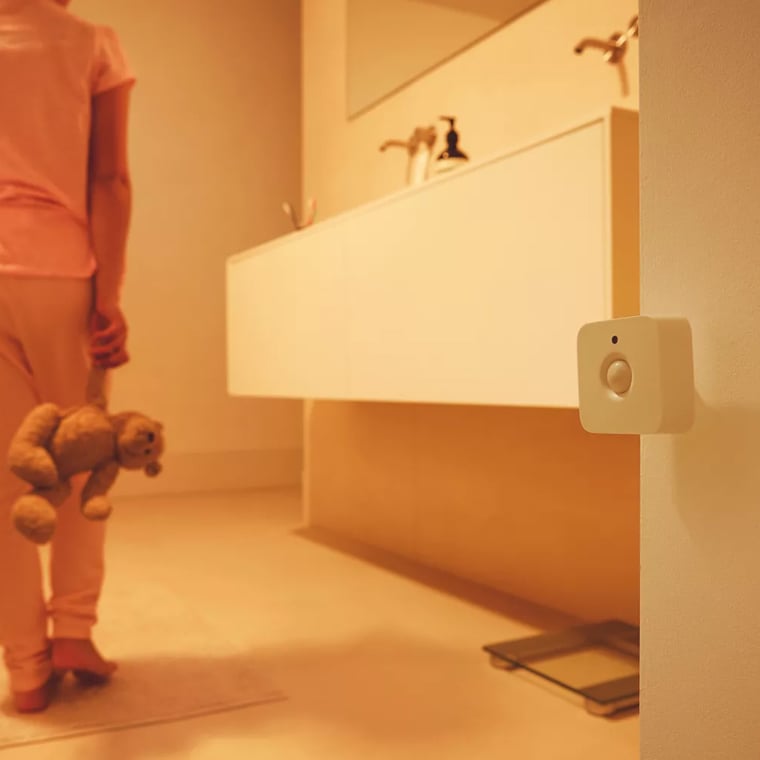
A sensor turns the bedroom or hallway light on as you walk in, at full brightness in the evening and a low glow at 2am. Fit Philips Hue bulbs and a motion sensor, or keep your lights and add a Shelly dimmer and presence sensor. Control with any of Common questions
Quick answers before you buy. We test this gear ourselves. Can't find yours? Ask our Melbourne team
Everything a standard globe does, plus remote control: an LED smart bulb dims, brightens, follows schedules and joins scenes and automations from an app or a voice assistant. One thing to know: the wall switch has to stay on, because switching off the fitting cuts power to the globe's radio.
Mostly, yes. Any fitting that takes a standard B22, E27 or E14 globe takes a smart globe in the same size. The exceptions are fully enclosed fittings, which trap heat the electronics don't like, and old wall dimmers: if a fitting is on one, leave the dimmer at full and dim from the app instead.
The honest list is short. They cost more than standard LEDs, Wi-Fi models depend on your router (a dropout pauses app control until it's back), and houses where people flick wall switches by habit will find globes regularly unreachable. If that sounds like your place, smart switches are the better fit.
They can. Cool, blue-heavy light tells your body it's daytime, which helps at a desk and hinders at bedtime. Smart bulbs handle this well: schedule cool white through the day and a shift to warm white in the evening, and the light follows your body clock instead of fighting it.