








Explainer Lighting
Do smart bulbs need a hub?
Most smart bulbs sold in Australia don't need a hub. Here's when you can skip one, when a hub is worth it, and how to be sure a bulb works with your phone and voice assistant.
Short answer: most smart bulbs you can buy in Australia today do not need a hub. The bulbs on the shelf at the big retailers are mostly Wi-Fi or Bluetooth, and they connect on their own. A hub only comes into it for one kind of bulb, and even then it is more about reliability than a hard rule.
What a hub actually does
A hub, also called a bridge, is a small box that plugs into your router. Some bulbs talk over low-power wireless radio, mainly Zigbee or Thread, rather than Wi-Fi. Your phone and router do not speak those languages, so the hub sits in the middle and translates. It also keeps every bulb in sync, which is why hub systems stay quick even with a lot of lights.
Wi-Fi and Bluetooth bulbs: no hub needed
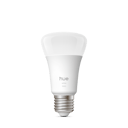
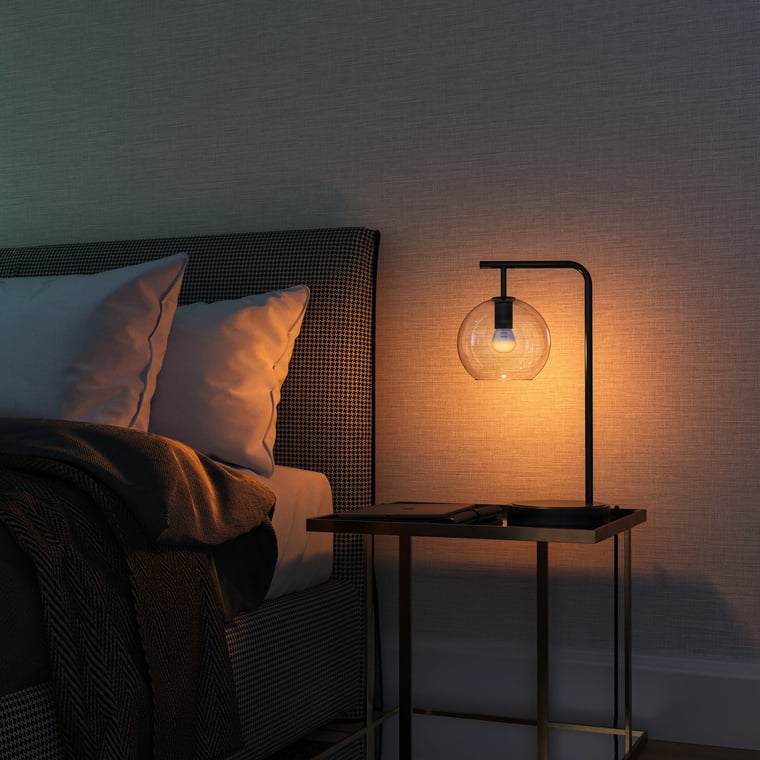
The most common smart bulbs skip the hub entirely. A Wi-Fi bulb joins your home network the way your laptop does, so you can control it from the bulb's app or a voice assistant anywhere you have internet. A Bluetooth bulb pairs straight to your phone, which is the cheapest way in, but it only reaches about ten metres and usually suits one person at a time. For a bedside lamp or a first globe to try, this is all most people need, and it is why most shoppers never buy a hub at all.
Hub-based bulbs: when one earns its place
Bulbs that run on Zigbee or Thread need a hub to reach your network. That is an extra box and an extra cost, so why bother? Three reasons: they respond faster, they keep working when your internet drops out, and they do not crowd your Wi-Fi once you have dozens of them. Lighting a whole home, or chasing the snappiest response, is where a hub pays off. For one or two globes it is usually overkill. For the wider trade-off beyond lighting, see do you need a smart home hub?.
| No hub (Wi-Fi / Bluetooth) | Hub-based (Zigbee / Thread) | |
|---|---|---|
| Upfront cost | Lower, just the bulbs | Higher, bulbs plus a hub |
| Setup | Open the app and connect | Set up the hub first, then add bulbs |
| Speed and reliability | Fine for a few bulbs | Faster and steadier at scale |
| If the internet drops | Often stops (Wi-Fi bulbs) | Keeps working on the local hub |
| How many bulbs | Best up to about a dozen | Comfortable with dozens |
| Best for | A room, a lamp, getting started | A whole home, power users |
Does it work with your setup?
A hub decides how a bulb connects. It does not decide what controls it. Before you buy, check the bulb lists the system you already use: Amazon Alexa, Google Home or Apple Home. Matter, a newer standard that most brands now support, is making this less of a minefield, because a Matter bulb is built to work across all the major platforms. If you are still deciding which platform to build around, choosing a smart home ecosystem walks through it.
So, do you need one?
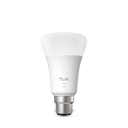
For most people starting out, no. A Wi-Fi or Bluetooth bulb does everything you would want from one or two lights, with nothing extra to buy. Reach for a hub when you are fitting out a whole home, you want the fastest and most reliable control, or you have settled on a bulb range that runs on Zigbee or Thread. Whatever you choose, match the fitting your fixture takes first, so the bulb physically fits.
Frequently asked questions
Can you use smart bulbs without a hub?
Yes. Most smart bulbs sold in Australia are Wi-Fi or Bluetooth and connect without a hub. You only need one for bulbs that run on Zigbee or Thread.
What is a hub for a smart light bulb?
It is a small box, sometimes called a bridge, that plugs into your router. It links bulbs that use low-power radio like Zigbee or Thread to your home network and keeps them responding quickly.
Can I use a smart bulb with a normal light switch?
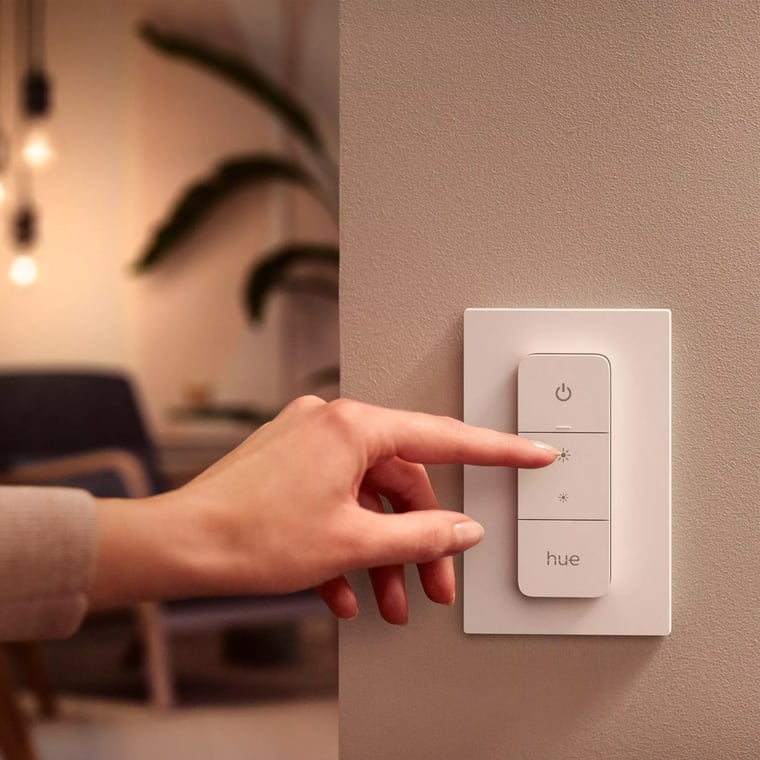
Yes, but the switch has to stay on. A smart bulb needs constant power for its app and voice control to work. Turn it off at the wall and it becomes an ordinary globe until you switch it back on.
Do Philips Hue bulbs need a hub?
It depends on the range. Hue's Bluetooth bulbs work straight from your phone for a handful of lights, while its Zigbee bulbs need the Hue Bridge for full range and reliability. Check the specific bulb before you buy.
What are the disadvantages of smart bulbs?
The main ones: they need constant power, so a switched-off wall switch cuts them off; Wi-Fi models can slow down if you install a lot of them; and they cost more than a standard globe. A hub-based system solves the first two at a higher upfront price.
Still need a hand?
We answer most messages within one business day. If your question is about an existing order, have your order number ready. It speeds things up.
Contact us