










Explainer Automation
What is a Smart Home Hub?
A smart home hub connects and coordinates your devices so different brands and protocols work as one system. Here's what a hub does, and whether you actually need one.
A smart home hub is the piece that makes a smart home behave like one system instead of a drawer full of separate apps. It sits in the middle of your devices, discovers them, holds a connection to each one, and gives you a single place to control lights, sensors, locks and plugs, whichever brand made them.
Plenty of people run a few smart devices without ever buying a hub. The real question is when a hub stops being optional. It works alongside the wider idea of home automation: the hub is the hardware or software that actually makes those automations run.
What a smart home hub does
Strip away the branding and every hub does four jobs.
- Connectivity. The hub pairs with each device and holds a steady connection to it, usually over a low-power wireless mesh rather than your home Wi-Fi.
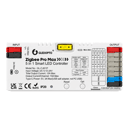
- Protocol translation. Many devices don't speak Wi-Fi. They use Zigbee, Z-Wave, Thread or Bluetooth, and the hub is the translator that lets them work together.
- Central control. Once paired, every device shows up in one app, so a single dashboard runs the whole house regardless of manufacturer.
- Automation. The hub runs the rules: if the door sensor opens after 10 pm, turn on the hallway light. Many hubs do this locally, without your phone or the cloud in the loop.
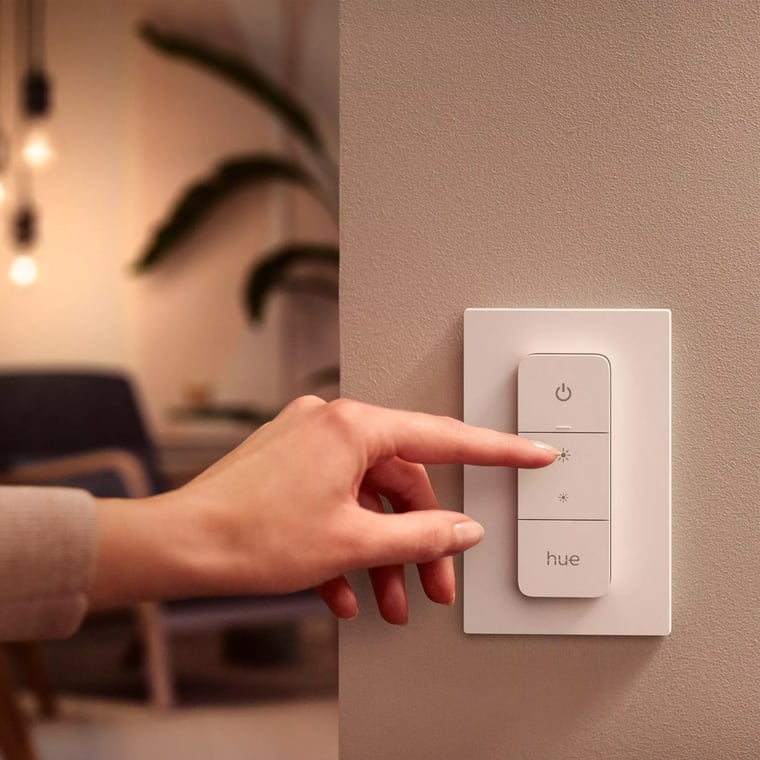
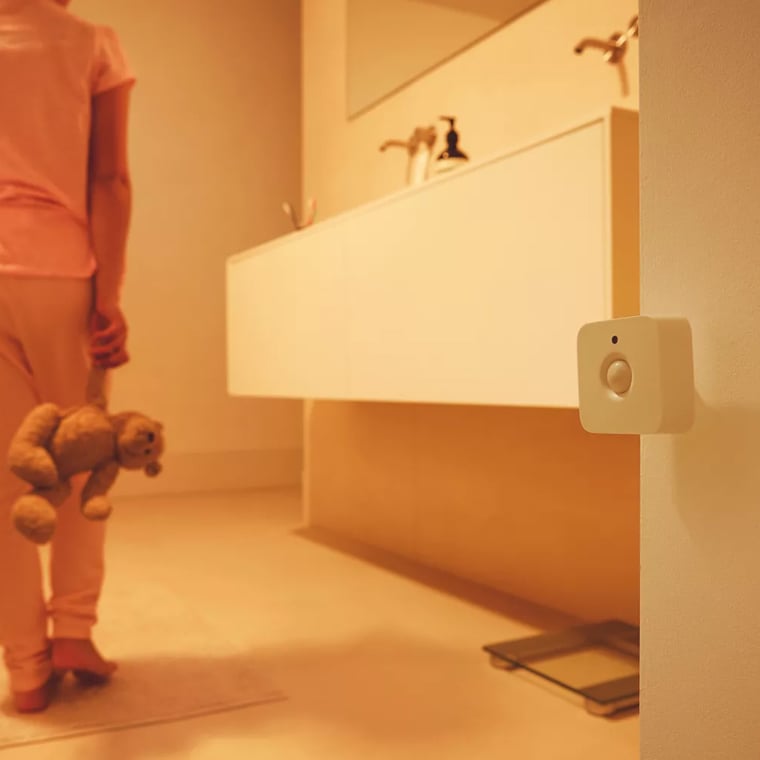
Some hubs add hardware beyond basic connectivity. The Philips Hue Bridge is built around lighting and unlocks features like Hue Sync and turning existing bulbs into motion sensors. The Aqara Hub M3 packs a Zigbee coordinator, a Thread border router and a built-in infrared blaster that can control older remote-based gear like TVs, air conditioners and fans.
Why hubs exist: the fragmentation problem
The smart home never agreed on one wireless standard. Devices are built on a patchwork of technologies, each suited to a different job, and most of them can't talk to each other directly.
- Zigbee and Z-Wave are low-power mesh protocols that most sensors, locks and many bulbs rely on. Neither reaches your Wi-Fi router on its own, so both need a hub to bridge them to the rest of your system. Read more on Z-Wave.
- Thread is a newer low-power mesh with native internet addressing, backed by Apple, Google and Amazon.
- Wi-Fi and Bluetooth need no hub, but Wi-Fi devices draw more power and can crowd your network, and Bluetooth is short-range.
Because Zigbee and Z-Wave devices can't reach a router or each other, and most phones and speakers only understand Wi-Fi or Bluetooth, something has to sit in the middle translating signals. That something is the hub.
Where Matter fits
Matter is easing this. It is a shared standard that lets devices from different brands work together, and it is gradually reducing how often you need a separate box. But it doesn't replace Zigbee or Z-Wave, and most Matter setups still need a Matter controller, often a hub, smart speaker or Thread border router, to run the local network. Expect Matter to sit alongside the older protocols for years yet.
Do you actually need one?
It depends on the scale of your setup, not a blanket yes or no.
You need a hub when:
- You buy Zigbee or Z-Wave sensors, locks or bulbs, which often have no Wi-Fi equivalent.
- You run more than a handful of devices and want them in one app instead of a folder full of them.
- You want cross-brand automations, like a sensor from one brand triggering a light from another.
- You want routines that keep working during an internet outage.
You can skip a hub when:
- You run a few Wi-Fi or Bluetooth bulbs and plugs through their own app.
A voice assistant like Alexa or Google Home already covers the basic control and routines you need.
- You would rather not add another device to buy, maintain and secure for a small setup.
Cloud or local: how hubs process your commands
Not all hubs think in the same place, and it matters for reliability and privacy.
- Cloud-based hubs send commands to the manufacturer's servers for processing. They are usually cheaper and simpler to set up, but an internet outage can take them down, and they depend on the vendor keeping the servers running.
- Local hubs process automations inside your home network, so core functions keep working offline and less data leaves the house. Home Assistant, Hubitat and the Aqara M3 sit here.
Hybrid hubs, including much of Samsung SmartThings, run many device-to-device commands locally but still route the app, remote access and some automations through the cloud.
Notable hubs
| Hub | Best for | Protocols | Notable feature |
|---|---|---|---|
| Philips Hue Bridge | Lighting-first setups | Zigbee | Runs up to 50 Hue lights; adds Hue Sync and bulb-based motion sensing |
| Aqara Hub M3 | Whole-home, mixed brands | Zigbee, Thread, Matter | Built-in infrared blaster for old remote-based appliances; runs automations locally |
| Samsung SmartThings | Broad device support | Wi-Fi, Zigbee, Z-Wave, Thread | The most widely used consumer platform; mixes local and cloud |
| Hubitat | Local-first tinkerers | Zigbee, Z-Wave | Processes automations locally by default |
| Home Assistant | Maximum control and privacy | Zigbee, Z-Wave, Thread, Wi-Fi | Free and open-source, runs fully offline, steeper learning curve |
The takeaway: a smart home hub isn't one product category but a role. It is the translator and coordinator that lets otherwise incompatible devices behave as one system. Whether you need one comes down to how many devices and brands you own, and how much you value offline reliability and cross-brand automation over a lower upfront cost.
Frequently asked questions
Do I need a smart home hub?
Not always. If you run a handful of Wi-Fi bulbs and plugs through one app or a voice assistant, you can skip one. You need a hub once you mix brands and protocols, want automations that keep working offline, or buy Zigbee or Z-Wave devices, which have no Wi-Fi version.
What is the difference between a smart home hub and a router?
Your router connects Wi-Fi devices to the internet. A hub adds low-power protocols like Zigbee and Z-Wave, translates between them, and runs automations. Some devices do both jobs.
Does Matter remove the need for a hub?
Not entirely. Matter makes different brands work together, but most Matter setups still need a controller, a hub, speaker or border router, to run the local network, and it doesn't replace Zigbee or Z-Wave.
Can a smart speaker work as a hub?
Sometimes. Some Amazon Echo, Google Nest and Apple devices include Zigbee, Thread or Matter radios and act as a basic hub. They handle simple routines, but not the deep cross-brand automation a dedicated hub offers.
What happens if my hub goes offline?
It depends on the hub. Cloud-based hubs lose most function during an internet outage. Hubs that run automations locally, like Home Assistant, Hubitat or the Aqara M3, keep core routines working without the internet.
Still need a hand?
We answer most messages within one business day. If your question is about an existing order, have your order number ready. It speeds things up.
Contact us