











Explainer Automation
What is home automation?
Home automation is when your home does things by itself, based on rules you set once. Here is what it means, how it works, and what you actually need to get started.
Home automation is using technology to make your home do things by itself. Instead of switching on a lamp, adjusting the heating or locking the door each time, you set a rule once and your home carries it out: lights that come on when you walk in, a heater that warms the lounge before you wake, everything switching off when the last person leaves. Once the rule is set, it runs on its own until you change it.
Home automation vs a smart home
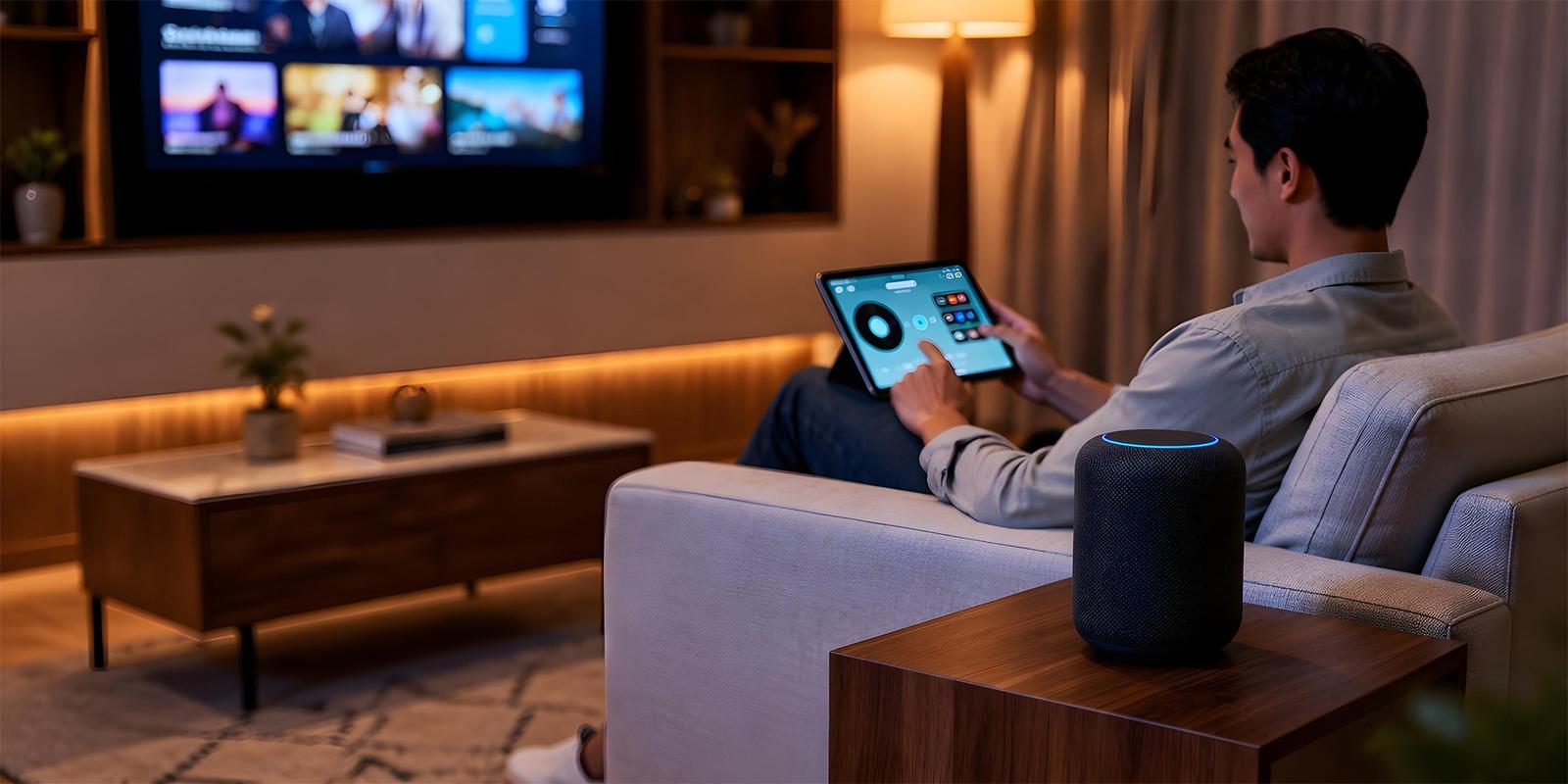
It is easy to use the two terms interchangeably, but they are not the same thing. A smart home is any home with connected devices you can control remotely, from an app, a voice assistant or a wall panel. Home automation is the layer on top: the rules that make those devices act on their own, without you asking each time.
The difference is control versus autonomy. Saying "Hey Google, turn on the lounge lights" is smart control, you are still the one deciding. A light that comes on by itself at sunset, dims when you start a film and turns off when you leave is automated. Most homes end up doing both: manual control when you want it, automation for the things you would rather not think about.
How home automation works
Most automations, on most platforms, follow the same shape: trigger, condition, action. Some apps call it "if this, then that".
- A trigger is the event that starts it: a set time, sunrise or sunset, a motion sensor detecting movement, someone arriving home, or another device changing state.
- A condition is an optional filter that decides whether it should actually run: only after dark, only on weekdays, only if someone is home.
- An action is what happens: turn on a light, set the heating, run a scene, send a notification.
So a single rule might read: when the hallway sensor detects motion, and it is between sunset and sunrise, turn on the hallway light. String a few of these together and your home starts to look after itself.
What you can automate
The reliable, everyday automations are the ones worth starting with:
- Lights on at sunset, off at bedtime.
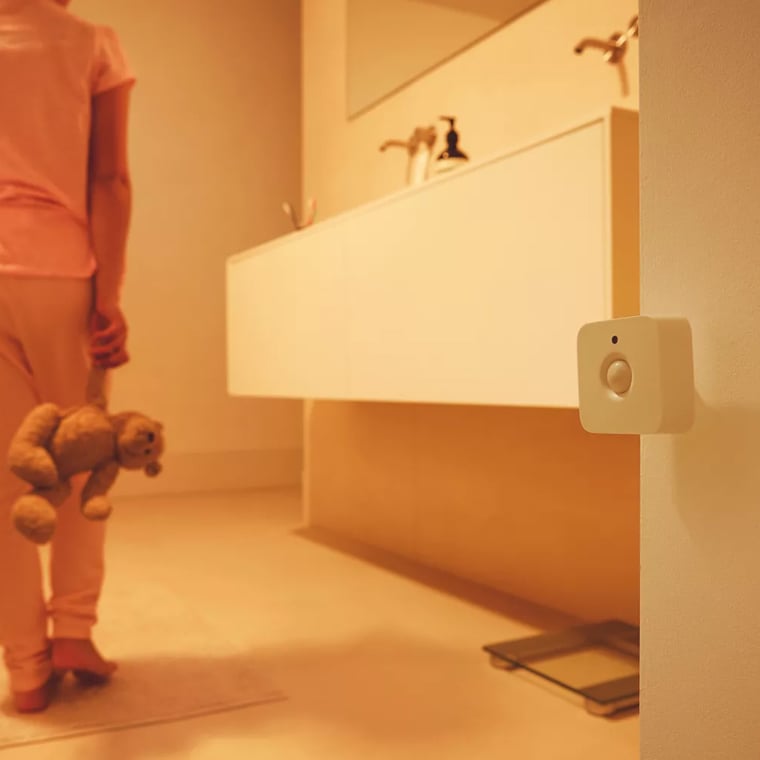
- Motion-activated lighting in hallways, bathrooms and walk-in robes.
- Heating or cooling on a schedule, or set back when nobody is home.
- Everything off when you leave, using your phone's location as the trigger. This is known as geofencing.
- A "good night" routine that locks the doors, turns off the lights and drops the thermostat, all from one command.
The trick is to automate the dull, repeatable things first, and save the elaborate stuff until you know how your system behaves.
Where automations actually run
An automation has to run somewhere, and where it runs matters more than beginners expect. There are three options:
- On a local hub. A hub on your home network holds the rules and talks to your devices directly, so these automations keep working even if the internet drops out.
- In the cloud. The rule lives on a manufacturer's servers. Convenient and easy to set up, but it stops the moment your connection or their servers go down.
- On the device itself. A motion-sensor light that switches itself on has its logic built in, with no hub or internet needed.
A good setup leans on local control for anything you rely on, and treats the cloud as a bonus rather than a lifeline. Even a mostly local setup still needs the internet for some things, like remote access from your phone and location-based triggers.
The protocols behind it
Your devices need a common language to talk to each other. Wi-Fi is the one you already have, and plenty of cameras and plugs use it. Zigbee and Z-Wave are low-power wireless networks built for sensors and switches, and usually need a hub. Thread is a similar low-power network, but it connects through a border router that is often already built into a smart speaker or Matter hub you own. Matter is the newer standard that lets devices from different brands work together, mostly over local control. You do not need to master these on day one, but they decide what works with what.
What you need to get started
You need three things: a few controllable devices, a way for them to connect, and something to run the rules. That last part is a platform like Apple Home, Google Home or Amazon Alexa, or a hub like Home Assistant.
You do not need a hub to begin. A couple of Wi-Fi smart plugs and a voice assistant are enough to automate "lights off at midnight". A hub earns its place once you add battery sensors and want everything running locally.
The one job worth handing to a professional is anything hard-wired. Many smart switches need a neutral wire in the wall, which older Australian homes often lack, and mains wiring here must be done by a licensed electrician.
Where to start
Start small, automate one thing that annoys you, and grow from there. The rest of this section covers the pieces in depth: the protocols that connect your devices, the hubs that run the rules, and the sensors that let your home react.
Frequently asked questions
What does home automation do?
It handles routine jobs around the house for you: switching lights on and off, adjusting heating and cooling, locking doors, running "good morning" and "good night" routines. You set the rules once, and they run automatically based on time, sensors or your location.
What can I automate in my home?
Almost anything you can put on a smart switch, plug or sensor: lighting, heating and cooling, blinds, door locks, security cameras and appliances. Most people start with lights and heating, because those are the tasks you repeat every day.
What is the difference between a smart home and home automation?
A smart home is any home with connected devices you can control from an app or your voice. Home automation is the next step: rules that make those devices act on their own, without you touching a thing. A smart home gives you the controls; automation means you rarely need them.
How much does it cost to automate your home?
You can start for under $100 with a smart plug or two and a voice assistant you may already own. Costs rise as you add hubs, sensors and hard-wired switches. Because you can build it up device by device, there is no fixed price to begin.
What are the disadvantages of home automation?
The common trade-offs are cost, a learning curve, and reliance on the internet for cloud-based devices. You can sidestep most of them by starting small, choosing devices that keep working locally, and leaving your ordinary wall switches in place as a fallback.
Still need a hand?
We answer most messages within one business day. If your question is about an existing order, have your order number ready. It speeds things up.
Contact us