











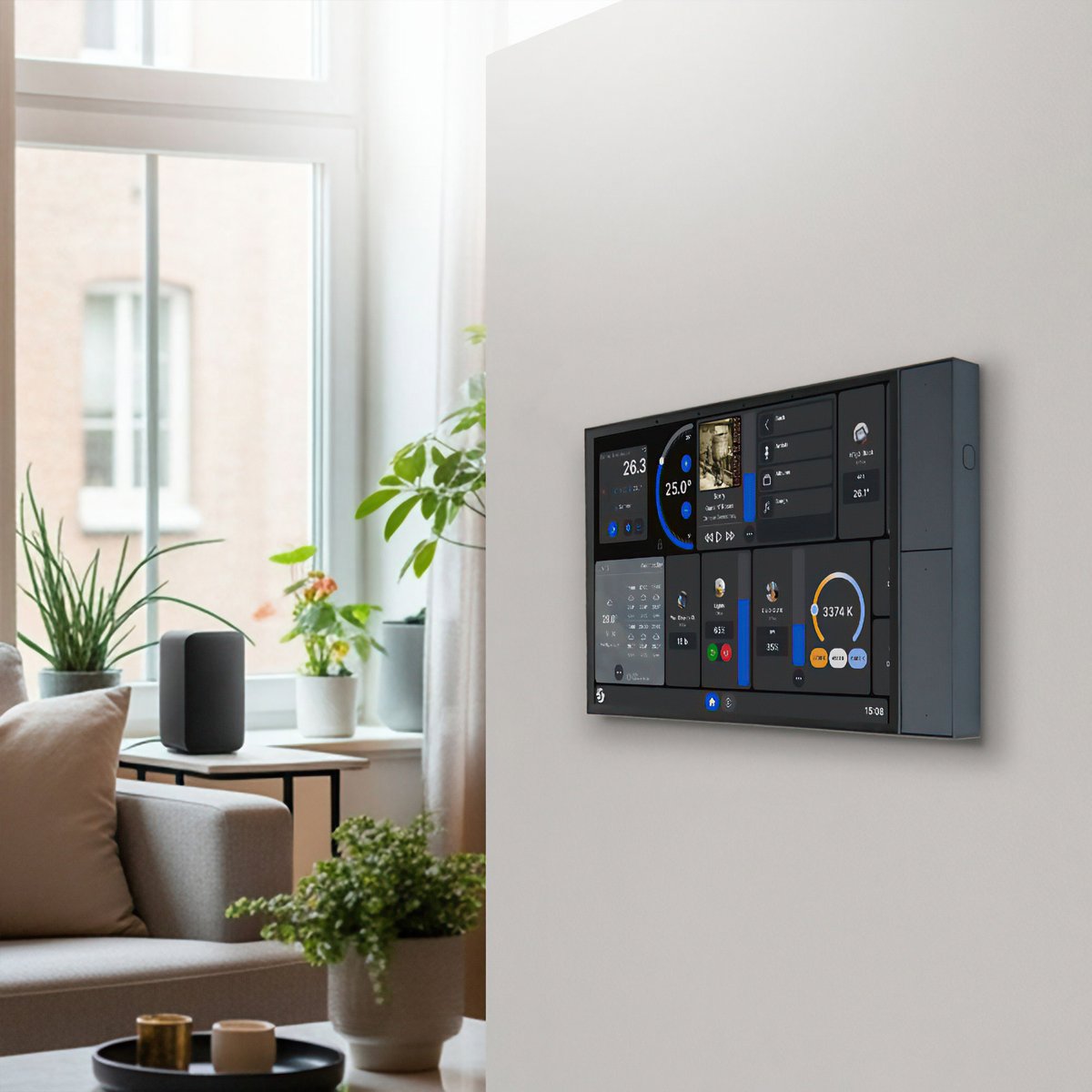

Wall Display XL
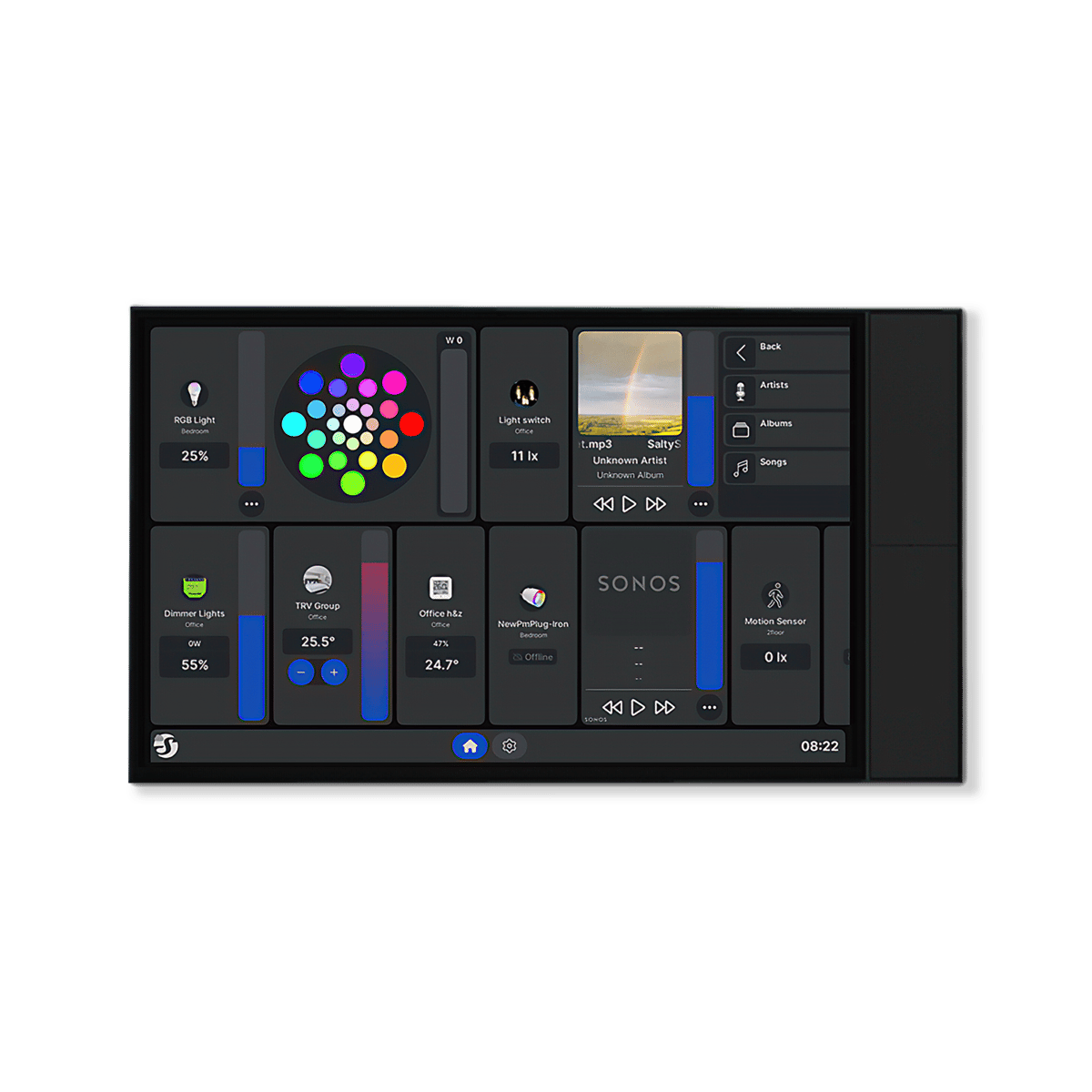
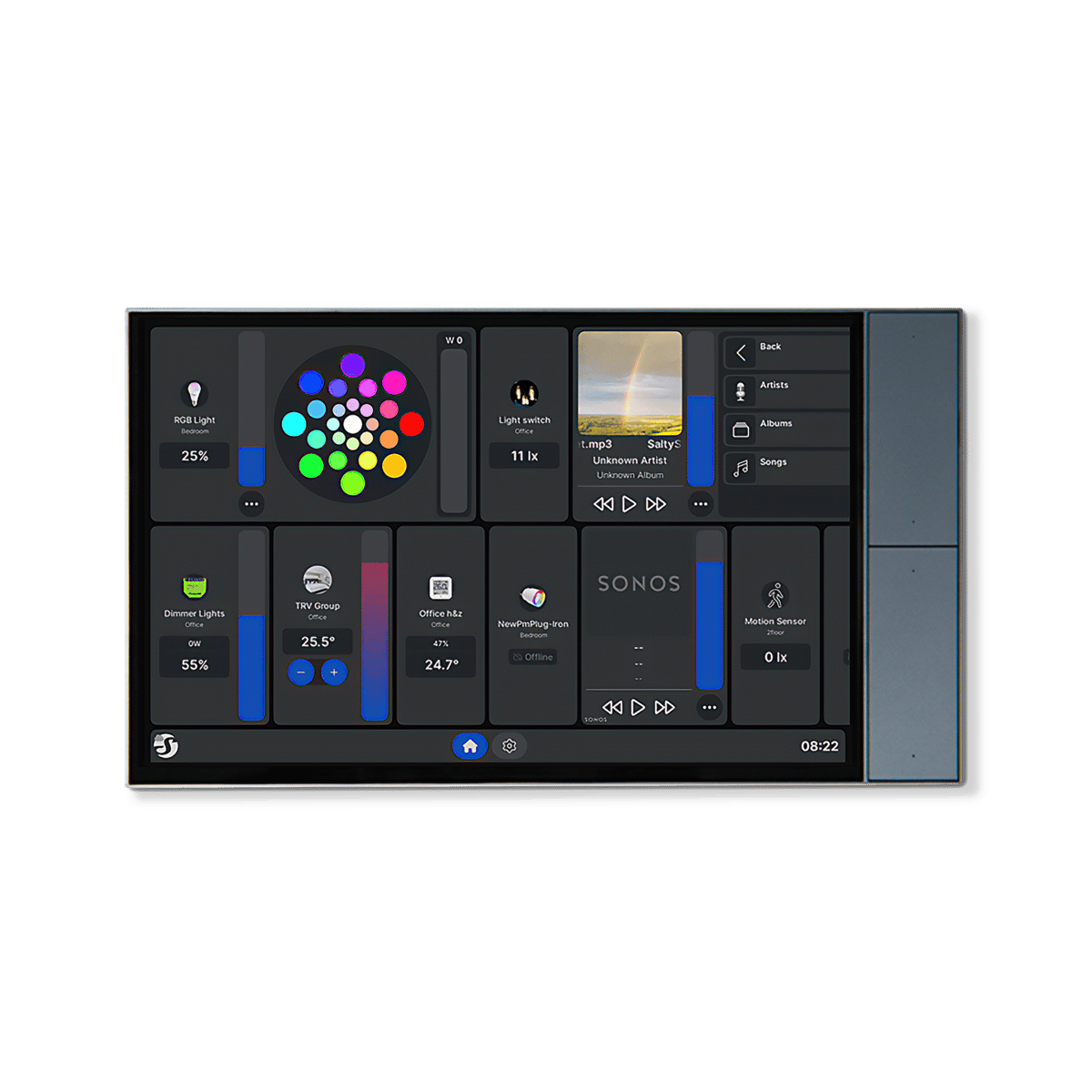
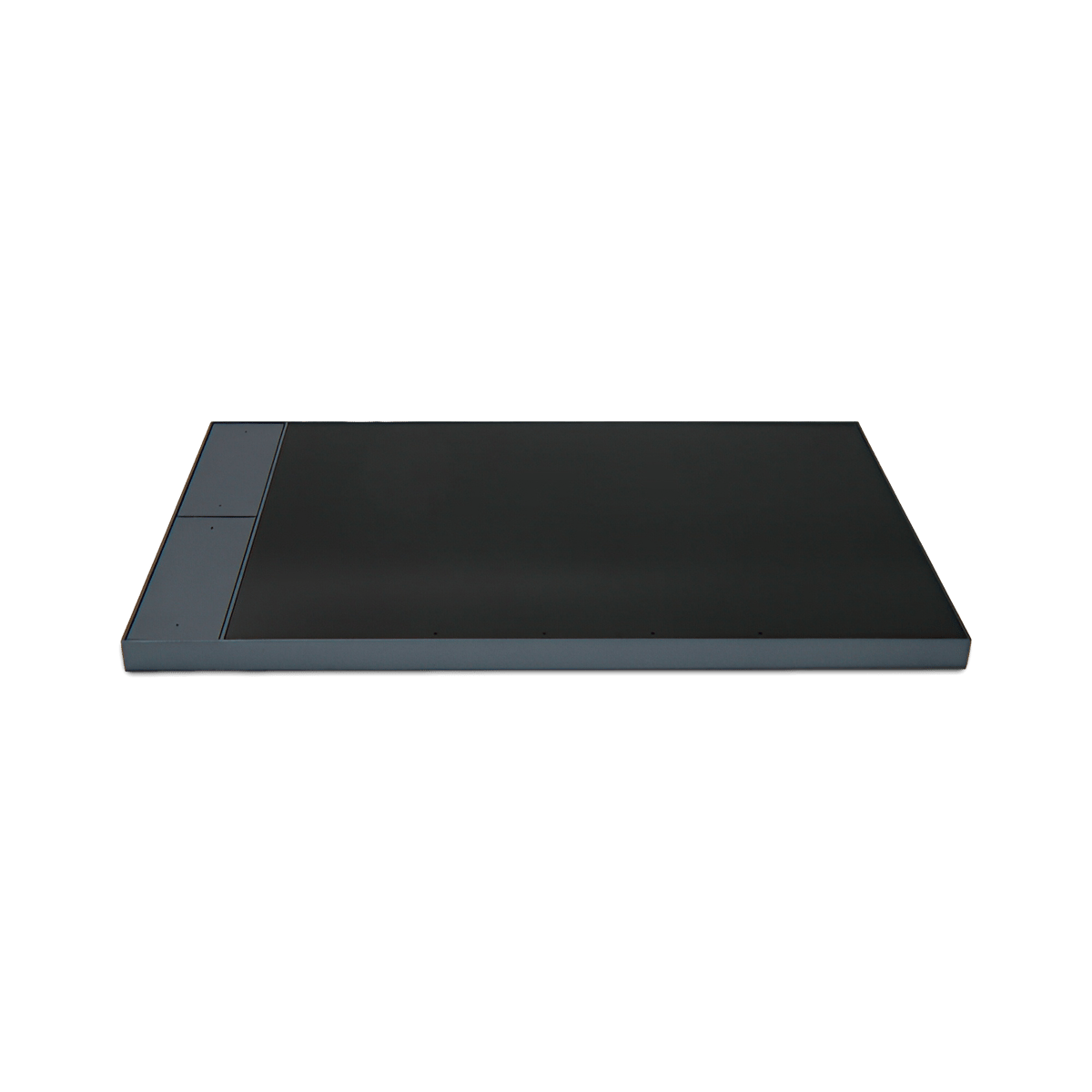
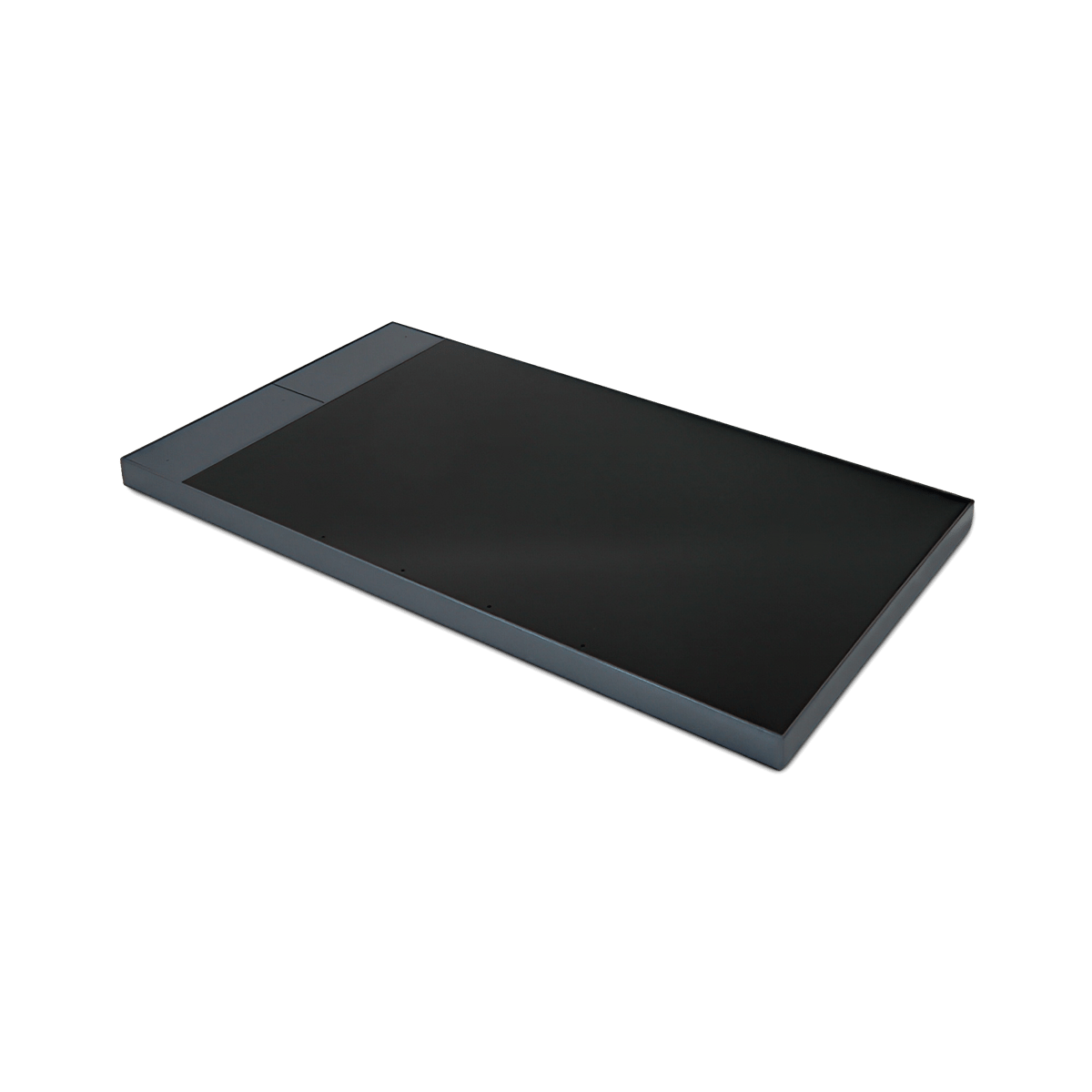
A 10.1 inch touchscreen that replaces a light switch and controls the whole house from the wall, with a relay behind it for the circuit it replaced.
$629.95 inc GST In stock at supplier · dispatches in 5 business days
Colour
Currently sold out.
Comes with free shipping Ordered in from our supplier. Allow about 5 business days before it dispatches.
30-day returns Unused items, easy online returns
3-year warranty Backed by Shelly
Everything you need to know
An Android control panel with a 10.1 inch touchscreen, a built-in relay and speakers, fitting a standard wall box. It goes where a switch already is. For a smaller panel, choose the Wall Display X2i at 6.9 inches.
Product features
A screen where the light switch was
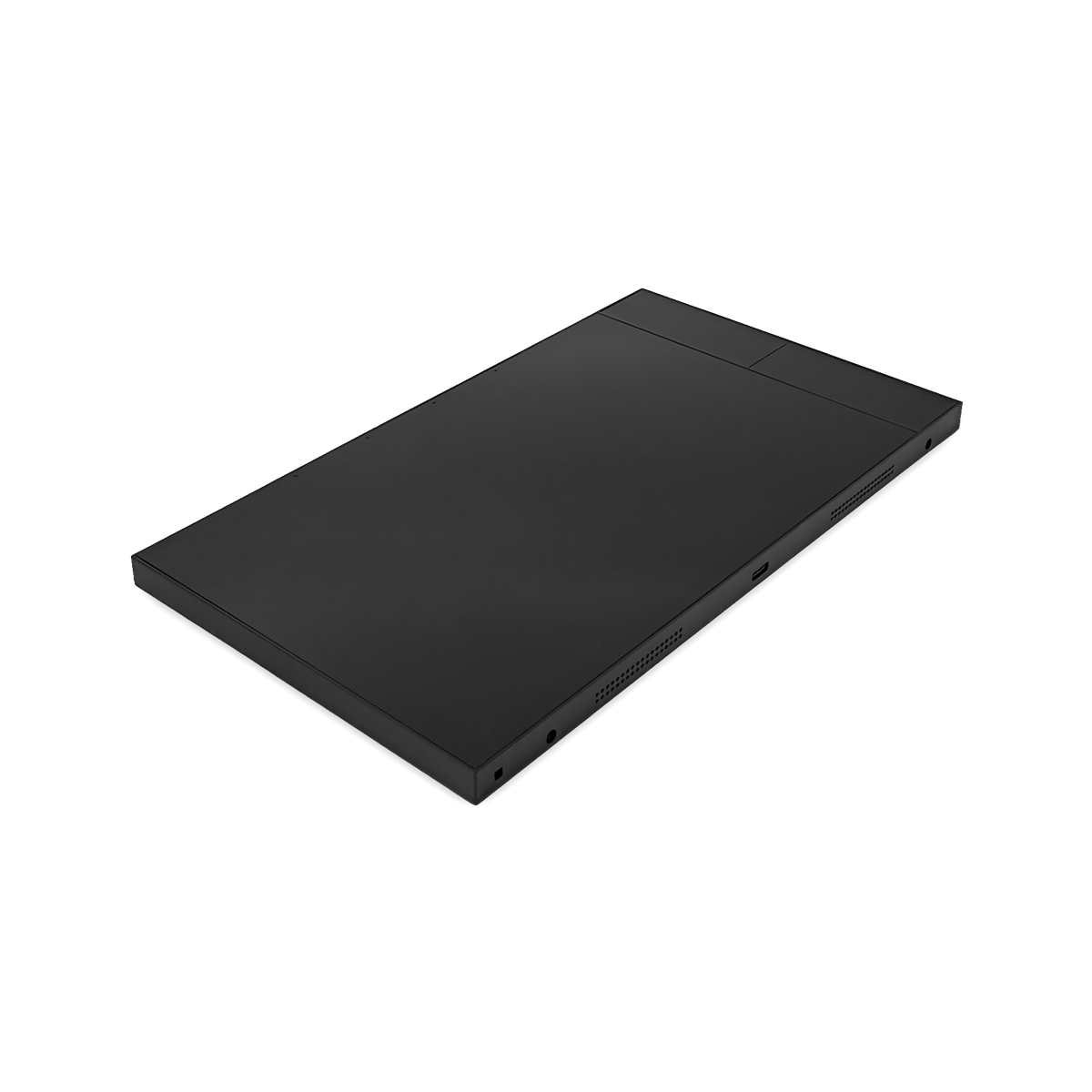
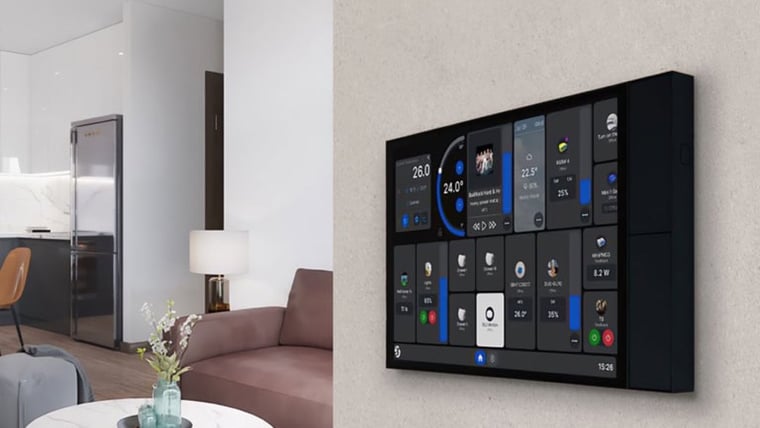
The Wall Display XL fits a standard electrical wall box, so it goes in where a switch already is rather than needing its own spot. The relay behind the screen still switches that circuit, so you don't lose the light you replaced.
- Fits a standard wall box
- Built-in relay keeps the original circuit working
- 10.1 inch touchscreen
The house on one screen
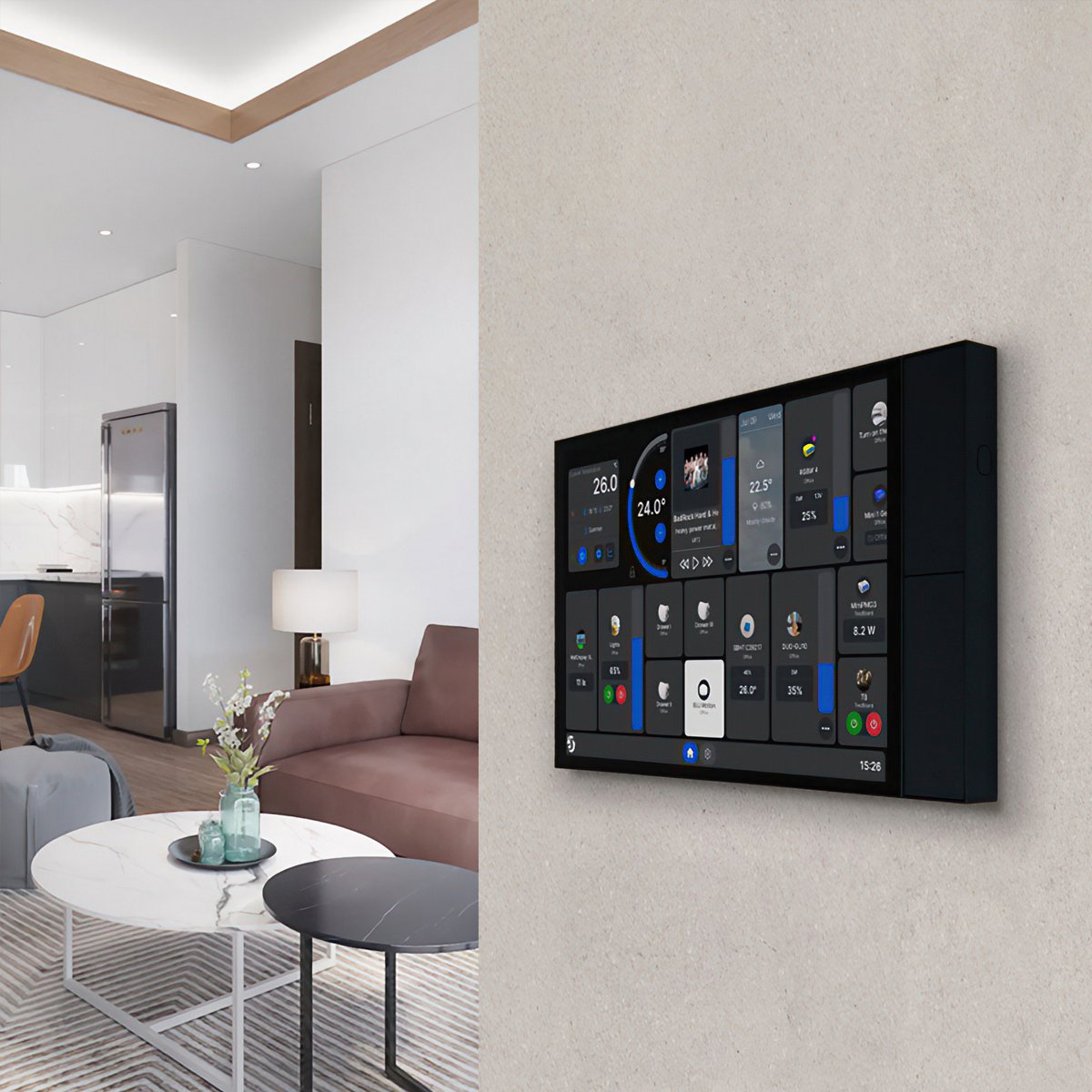
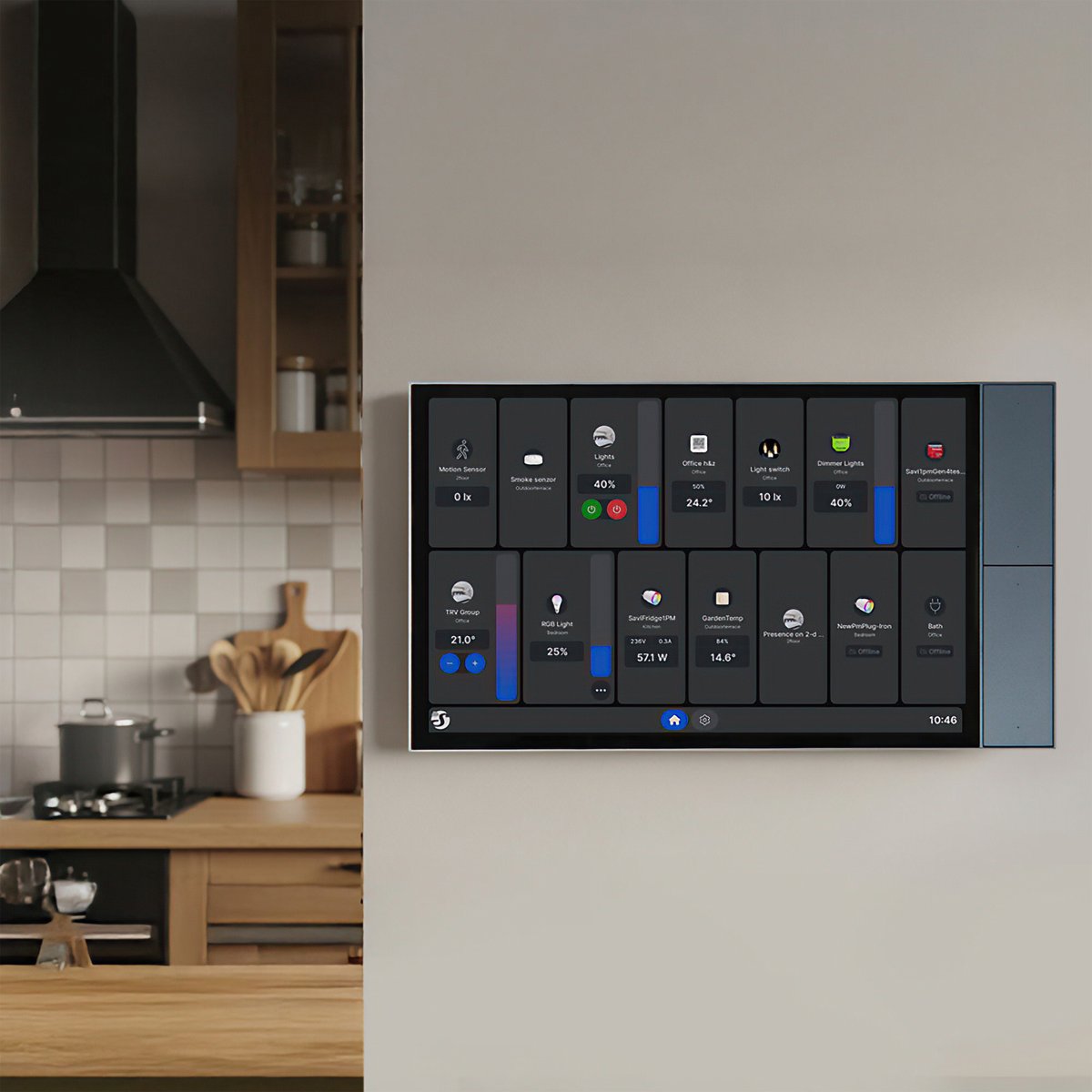
It runs Android, so it's a full control surface rather than a few buttons: scenes, schedules and any device on your Shelly setup, from the hallway wall. Anyone in the house can use it without the app and without a phone.
- Control scenes, schedules and devices
- No phone or app needed to use it
- Runs Android
Sound and voice, built in
Two 2 W speakers are in the panel itself, so music, alarms and spoken notifications come out of it without anything else connected. Pair a Bluetooth or Sonos speaker when you want more than that. A four-microphone array handles voice.
- Two 2 W speakers built in
- Pairs with Bluetooth or Sonos speakers
- Four-microphone array
Built-in light sensor
The panel measures how bright the room is, and that reading is something your automations can use: dim or lift the lights as daylight changes through the day, or set a scene running once the room drops below a certain level. It's the one thing the panel senses by itself. For temperature and humidity, pair it with a sensor that reports them and the panel will drive your heating, cooling or the bathroom fan from those readings.
- Measures the light level in the room
- Adjust lights or trigger automations from it
- No temperature or humidity sensor of its own
What's behind the screen
The panel carries a relay that switches one circuit, so the light you replaced still works from the wall. The screen is 10.1 inches, 1280 by 752 pixels, and you arrange the layout how you want it.
- Switches one circuit
- 10.1 inch touchscreen, 1280 x 752 pixels
- Fully customisable layout
What is a Shelly wall display?

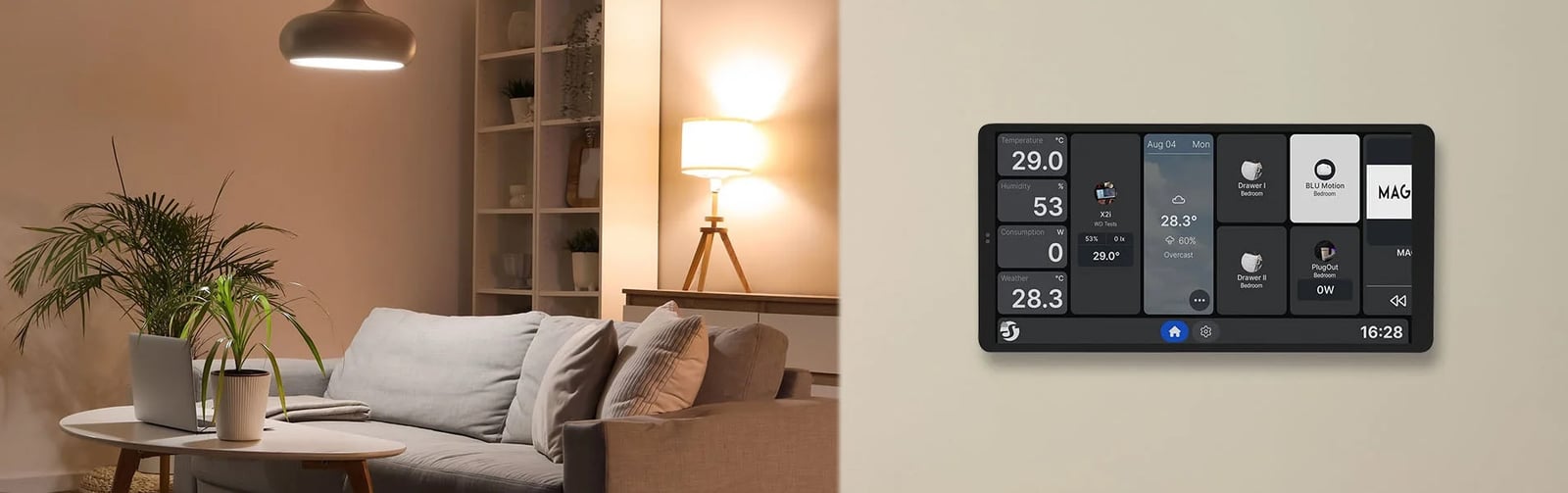
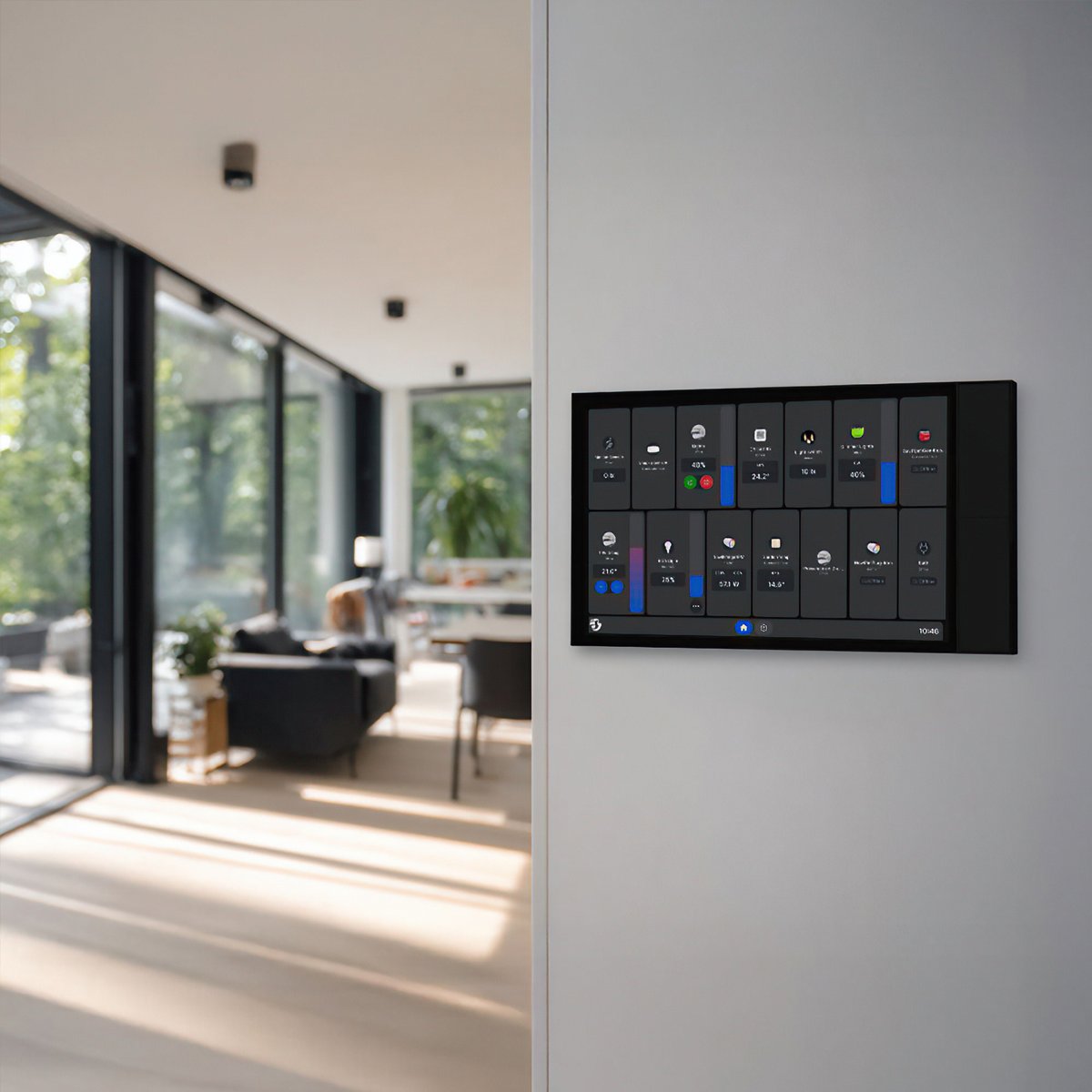
A wall display is a touchscreen control panel for your home. It mounts flush on the wall, powered by the same in-wall wiring a light switch uses, and gives everyone in the house one place to run the lights, scenes and schedules, without finding a phone first. Put it anywhere that wiring exists, including straight into the spot where a switch is now.
The screen
Your home on the wall
The home screen is fully customisable, so the things you use every day sit right there: lights on and off, a goodnight scene, the heating schedule. Anyone in the house can use it, guests included, with nothing to install and no account on their phone.
The install
Powered by the wall, not a power point
The panel runs off standard switch wiring inside the wall, so there are no cables trailing to a powerpoint and no batteries to charge. That wiring exists at every switch position, which makes an existing switch spot the easiest home for it, but any point an electrician can bring the wiring to works. Connecting it is a job for a licensed electrician.
The light
It can take over a switch's job
Put the panel where a switch was and that light keeps working: the panel switches the circuit itself, from the screen, the app or a schedule. On the X2i you can go one further, with a swap-in power base that lets the one panel switch two circuits, say the hallway light and the porch light.
The sizes
6.9 inch or 10.1 inch
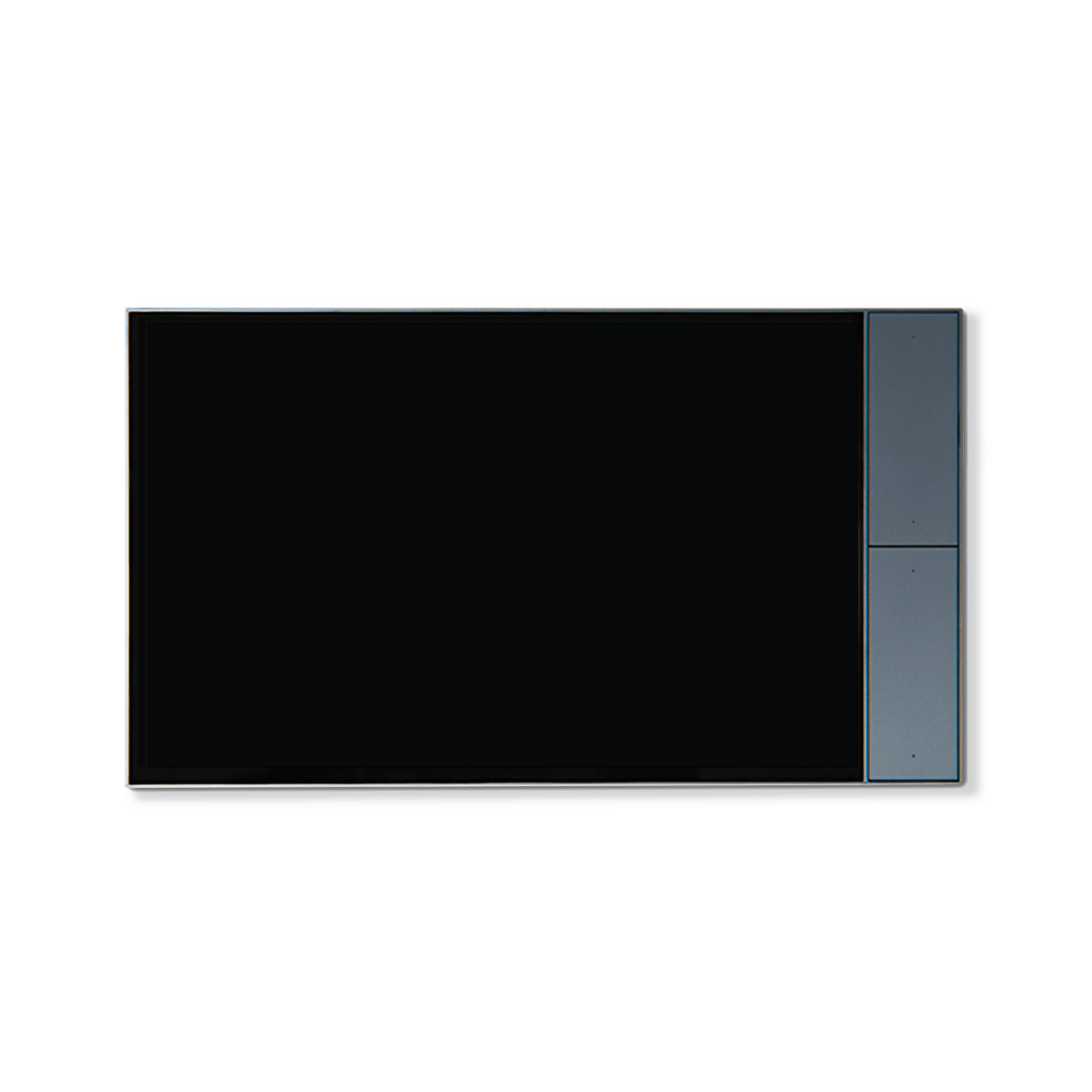
The Wall Display X2i is the 6.9" panel, sized to sit where the switch was, in portrait or panoramic. The Wall Display XL is the 10.1" panel with four physical buttons beside the screen, sized to be the control point for the whole house.
Getting started
1
One panel where the traffic is The usual start
Most homes put the first panel at the spot everyone walks past: the entry hall or the kitchen bench. From day one it runs whatever smart gear you have from Shelly, and everything you add later, relays behind other switches, dimmers, smart plugs, shows up on the same screen.
2
A bigger screen for the whole house Going further
When one screen is running every room, the XL earns its size: more on screen at once, and its four buttons handle the everyday presses without waking the display. Either panel can also play sound through a Bluetooth or Sonos speaker, so alerts and music reach the room.
You don't need anything else to start. The panel works on its own the day it's installed, and it grows with the house: add more Shelly devices to your setup and you control them from the wall alongside the rest.
Works with
Also works with
-
Pairs with Amazon Alexa
-
Pairs with Google Home
-
Pairs with Home Assistant
-
Pairs with SmartThings
Connects over
To your network via
Joins your home network like any other device.
-
Wi-Fi
To your devices via
A dedicated mesh that doesn't touch your Wi-Fi.
-
Bluetooth
-
Works offline
Keeps working on your home network when the internet is down.
Specifications & Installation
Setup · 1:52
How to install it
Shelly's own step-by-step install, from isolating the power to mounting the panel and wiring it in.
Watch setup videoNo specifications match.
Power
- Power
- Hardwired
- Standby power
- < 15 W
- Local control
- Yes
- Screen size
- 10.1 in
- Resolution
- 1280x752
- Built-in sensors
- LightMotion (short-range)Microphone
- Relay output
- Yes
- Relay rating
- 5 A
- Power supply
- 100 - 240 V~ 50/60Hz
- USB TYPE-C power supply
- 5 V⎓ / 3 A
- Power Button
- 1 button for turning On/Off the screen
- Speaker
- 4 W
- Runs on
- Android
- Version
- Android 11
- Standard
- Wi-Fi 6 Dual Band
- Range (indoors)
- 30 metres
- RF band
- 2412 -- 2472 MHz 5150 -- 5850 MHz
- Max. RF power
- < 14 dBm
- Version
- 5.4
- Range (indoors)
- 10 metres
- RF band
- 2402 - 2480 MHz
- Max. RF power
- < 4 dBm
- Operating temperature
- -20–40 °C
- Operating humidity
- 30–70 % RH
- Max altitude
- 2000 metres
- Dimensions
- 272.5 × 155.8 × 38.3 mm
- Size (HxWxD)
- 155,8x272,5x38,3 mm / 6.13x10.7x1.50 inch
- Weight
- 920 g / 32.45 oz
- Touch Screen
- 5-point capacity screen, G+FF touch
- Screen resolution
- 1280x752 px
- Screw terminals max torque
- 0.4 Nm / 3.5 lbin
- Conductor cross section
- 0.75 to 2.5 mm² / 18 to 14 AWG (solid, stranded, and bootlace ferrules)
- Conductor stripped length
- 6 to 15 mm / 0.24 to 0.59 in
- Mounting
- Wall box
- Shell material
- Metal stamping, PC with coating, glass
- Shell color
- * Grey * Black
- Speaker
- 2x 2 W (BOX sound cavity)
- Max. switching voltage
- 240 V~
- Max. switching current
- 5 A
- Output (AC)
- 100 - 240 V~ 50/60Hz
- Output (USB TYPE-C)
- 5 V⎓ / 0.5 A
- Internal-temperature sensor
- No
- Ambient temperature sensor
- No
- Humidity sensor
- No
- Light sensor
- Yes
- Microphone
- Yes (Four-microphone line array)
- G-sensor
- No
- Motion sensor
- Yes (≤1 meter)
- CPU
- Rockchip RK3566 Quad core Cortex-A55 1.8GHz
- RAM
- 2 GB
- Flash
- 32 GB
- System
- Android 11
- Schedules
- 20
- Webhooks (URL actions)
- 20 with 5 URLs per hook
- Scripting
- No
- MQTT
- Yes
- SKU
- SHE-SWT-0007-BLK SHE-SWT-0007-GRY
- MPN
- SAWD-3A1XE10EU2 SAWD-3A1XE10EU2
- Barcode
- 3800238073008 3800238071691
What you can do with it
Control any group of lights from one wall switch
Outdoor lights on, the lounge set for a movie, everything off at bedtime. Behind one switch plate, each press sets the lights the way you choose. Control with any of

Lights off and door locked in one press on the way out
Everything off and the door locked on the way out, in one press on the way past. Coming home, the same panel turns the lights on before you have found a switch, let alone a phone. Control with See and switch off what's still on before bed
One glance shows what is still on around the house, and turns off whatever should not be. It saves the lap of the hallway with a phone torch. Control with Wall controls for guests and kids, no app needed
House guests, kids and the person minding the place while you are away all get the same controls you do, without an app, an account or a walkthrough. The screen is on the wall and it does what it looks like it does. Control with Common questions
Quick answers before you buy. We test this gear ourselves. Can't find yours? Ask our Melbourne team
It fits a standard wall box on the lighting circuit and is installed by a licensed electrician in Australia.
Yes. The built-in relay switches that circuit, so the light still works from the panel.
Screen size and the power base. The XL is 10.1 inches with a fixed relay; the X2i is 6.9 inches with an interchangeable power base you can swap for a two-circuit version.
It runs Android and controls your Shelly setup directly. Anything else depends on what you've integrated it with.
Shelly · Wall Display XL