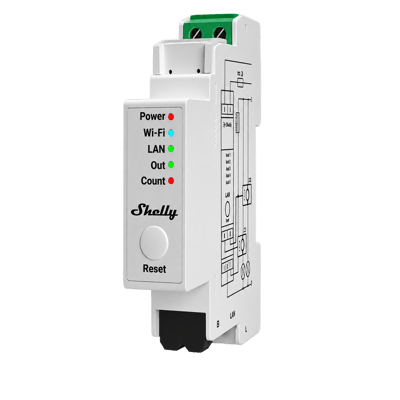















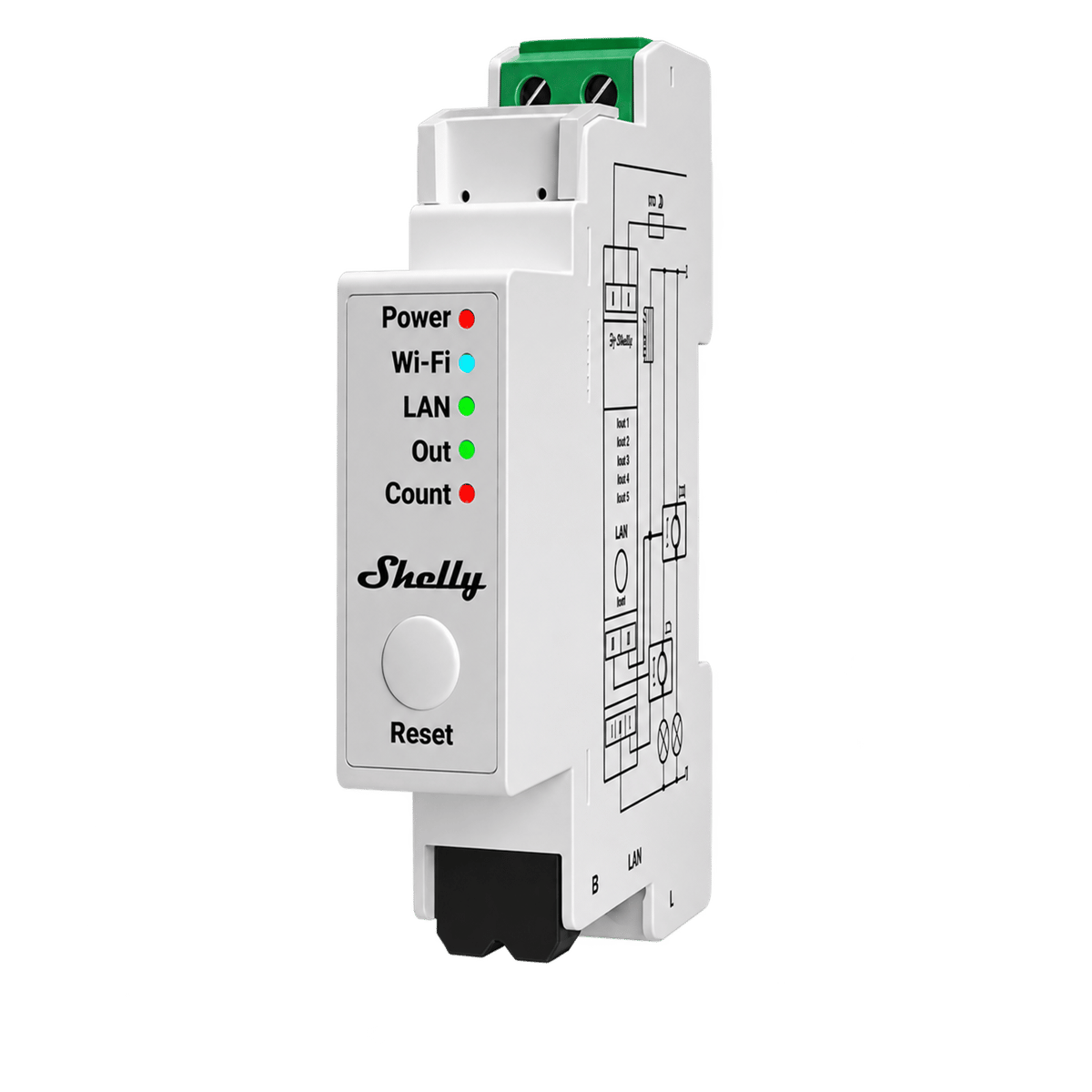
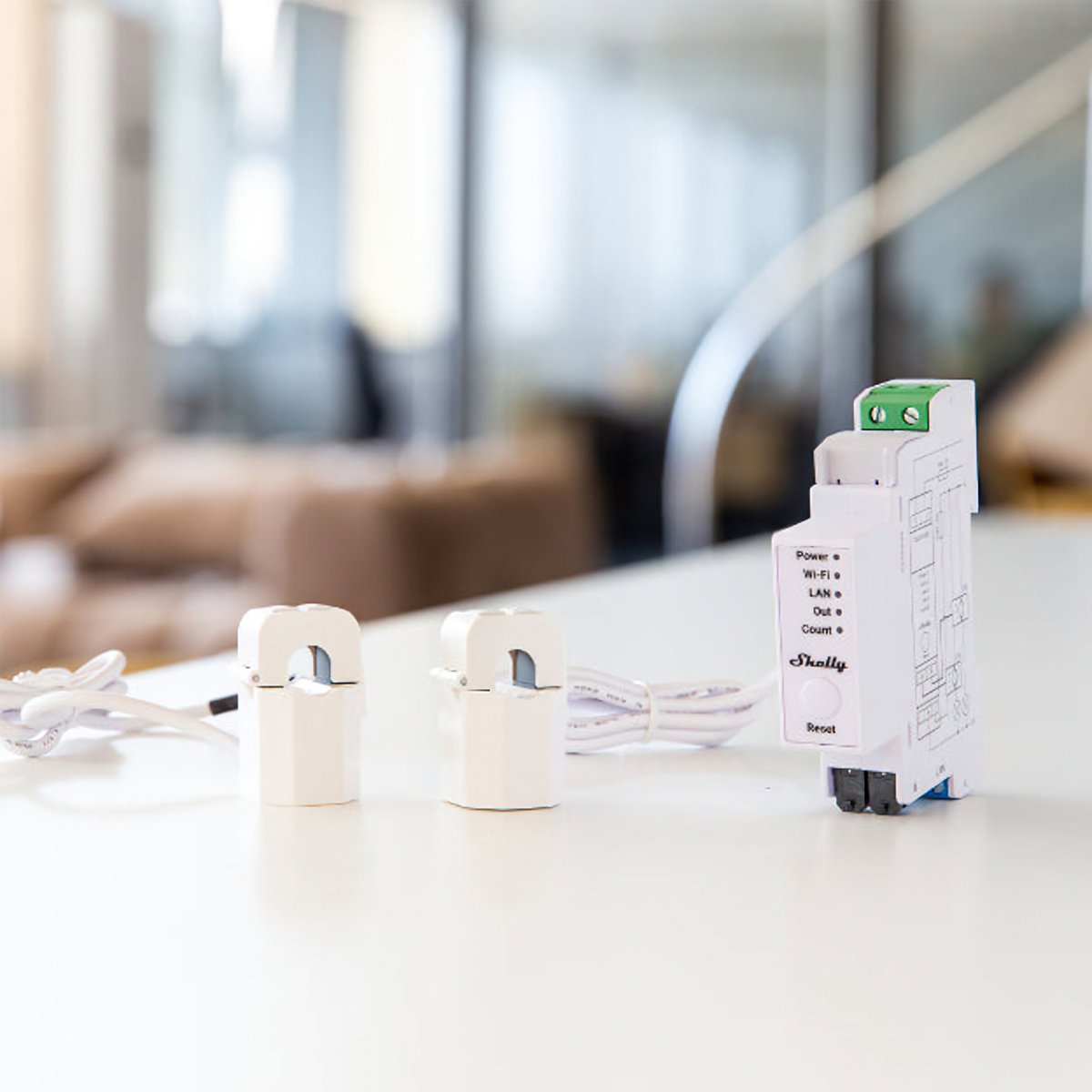

Pro EM 50 Energy Meter
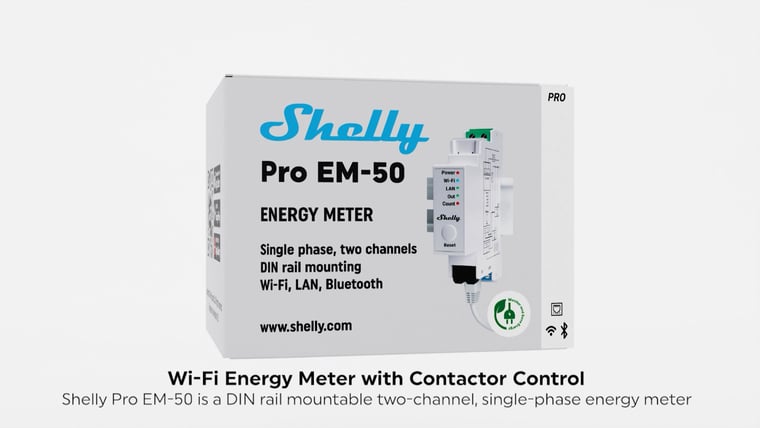
A two-channel energy meter for your switchboard, measuring power in both directions. Built for solar, with a relay for contactor control.
$149.95 inc GST In stock · ships today
Currently sold out.
Free shipping over $150 Order before 3pm Melbourne time on a weekday and it ships the same day.
30-day returns Unused items, easy online returns
3-year warranty Backed by Shelly
Everything you need to know
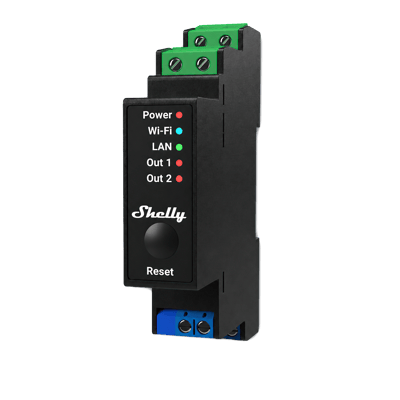
A single-phase energy meter that lives in your switchboard on the DIN rail. It measures two circuits at once, reads power flowing both into the house and back out to the grid, and has a relay for switching a big load through a contactor. For metering on a circuit you're also switching, choose a 1PM or 2PM relay instead.
Product features
Two circuits, measured separately
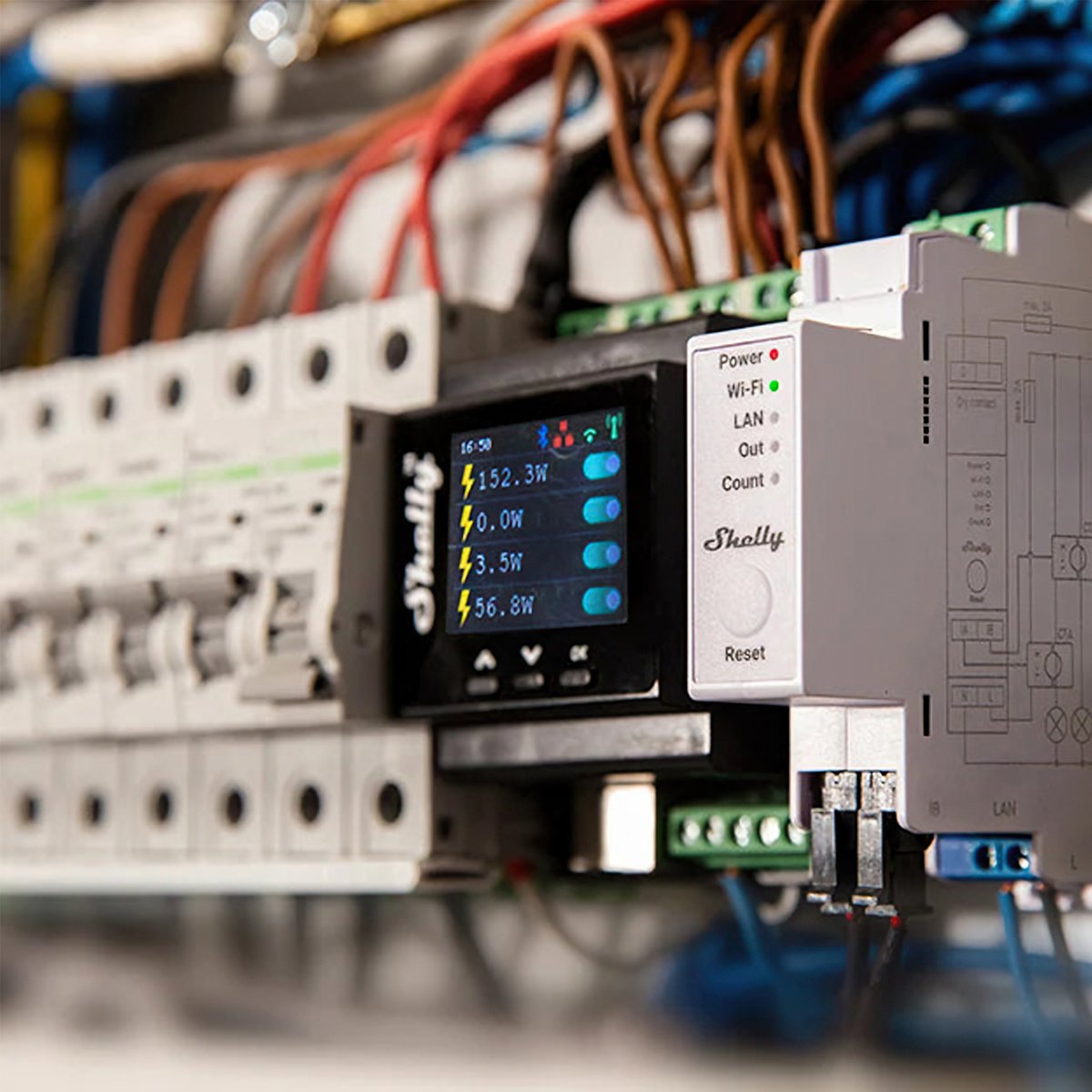
The Pro EM-50 mounts inside your switchboard and measures two single-phase circuits through current transformer clamps, so you can watch the house on one channel and something specific on the other. It reports voltage, current, and both active and apparent power in real time, per channel.
- Two measuring channels, one module
- Live voltage, current and power on each
- Measures through current transformer clamps
It sees the power going out, not just coming in
Most meters only count what the house draws. The Pro EM-50 measures the flow in both directions, so on a home with solar you can see what you're buying from the grid and what you're sending back to it as two separate numbers, rather than one net figure that hides both.
- Measures what you use and what you export, separately
- Suits homes with solar
- Accuracy class B, within 1%
Your history stays on the device
It keeps up to 60 days of readings at one-minute intervals in its own memory. That means the detail is on the meter itself, not on a server somewhere, so it's still there if your internet drops out and it doesn't depend on a cloud account. An onboard clock keeps the timestamps right even when it can't reach a time server.
- 60 days of one-minute readings stored on the meter
- No internet or cloud account needed to keep them
- Pull the data out as JSON or CSV
A relay for the contactor
It has a built-in dry-contact relay for driving a contactor, which is how you put a big load under control without running it through the meter itself. Hot water and pool pumps are the usual jobs.
- Dry-contact relay for contactor control
- Suits hot water and pool circuits
- Switching stays separate from measuring
Wired into your network
An RJ45 port puts it on the network by cable, which is the most dependable option inside a metal switchboard. Wi-Fi is there as a fallback, and it talks MQTT, HTTP and WebSocket, all over TLS, so it fits into Home Assistant and anything else you run.
- Ethernet, with Wi-Fi as backup
- MQTT, HTTP and WebSocket, all over TLS
- Works locally, with or without the cloud
What is a Shelly energy meter?

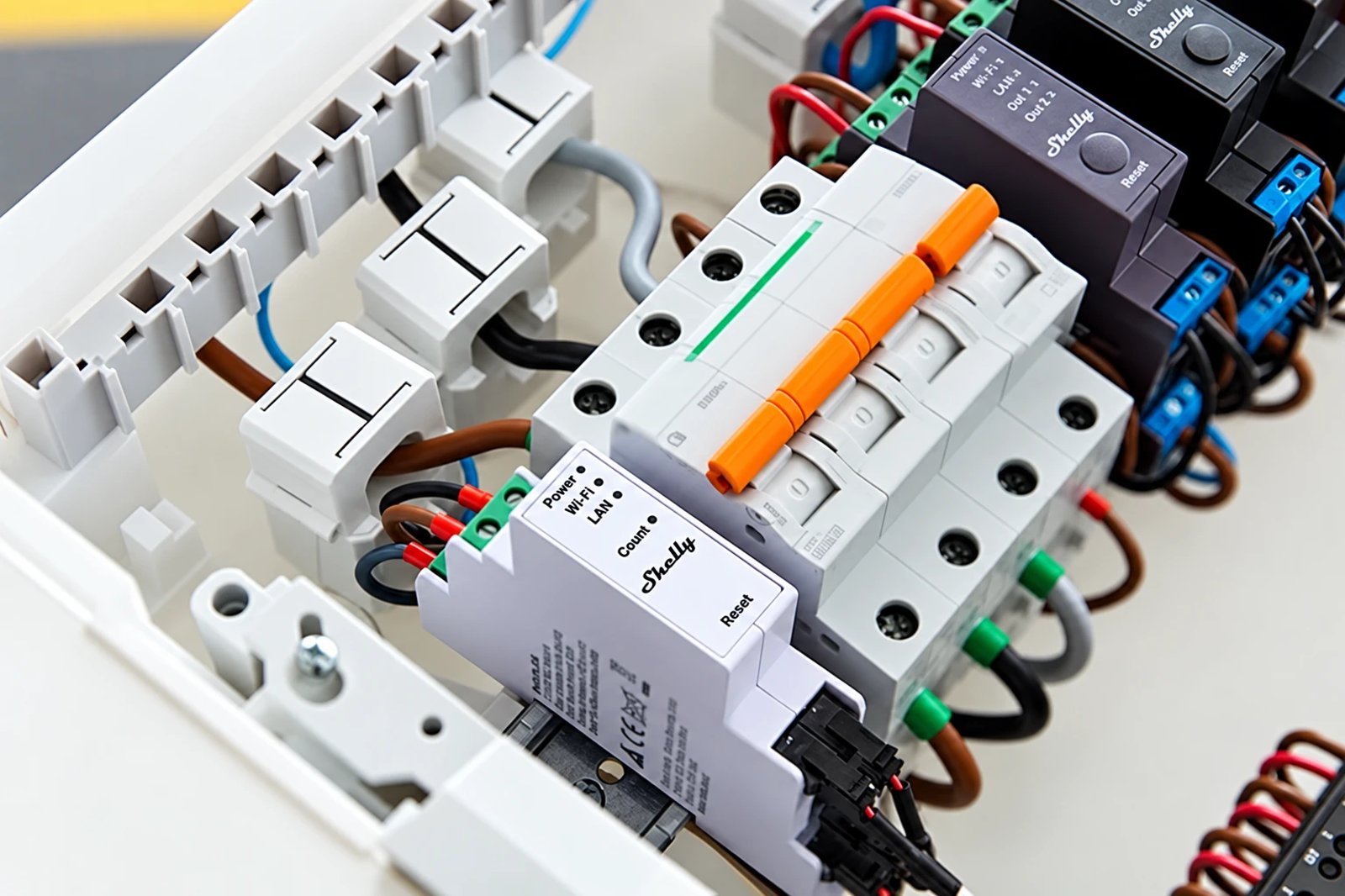
A Shelly energy meter measures the power a circuit is using. It shows how much that circuit is using right now, keeps a running total of how much it has used over time, and stores one-minute records on the meter itself. It does not turn anything on or off, so every switch and appliance on the circuit works exactly as it did before the meter went in. You see the numbers in the Shelly app, or in Home Assistant through its Shelly integration, with no Shelly account in the middle.
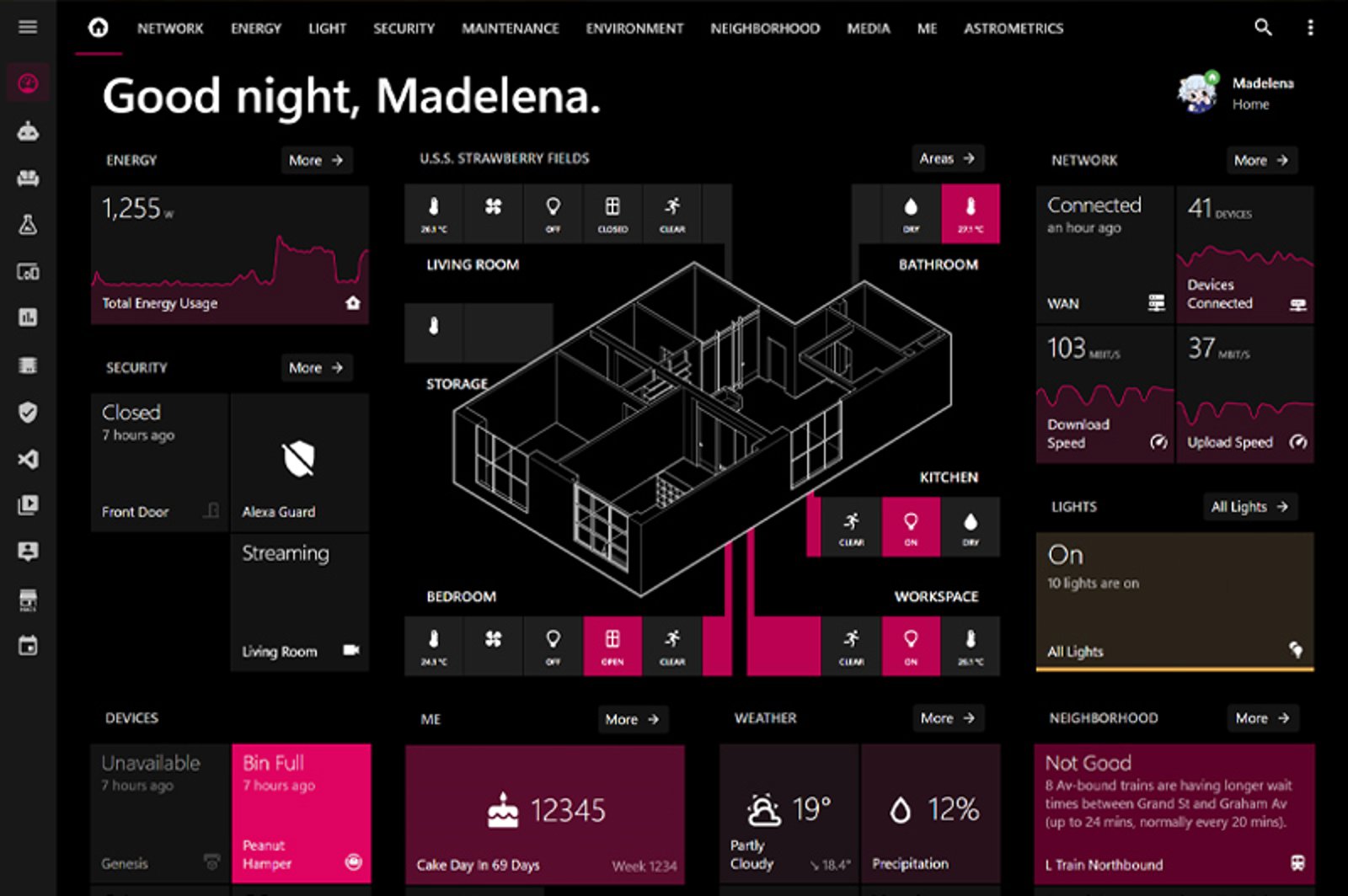
Power usage
See where the power goes
Clamp the mains where they land in the switchboard and you see what the whole house is using, right now and over time. Put a meter on a single circuit, like the hot water or the air conditioner, and you see what that one thing costs to run.

Automations
Switch a load off when it runs high
An automation can run when a circuit climbs past a figure you set, like turning a heater off during a high tariff window. The meter supplies the reading, and a relay or a contactor does the switching. The EM Gen3 and Pro EM-50 have a built-in output for driving a contactor.
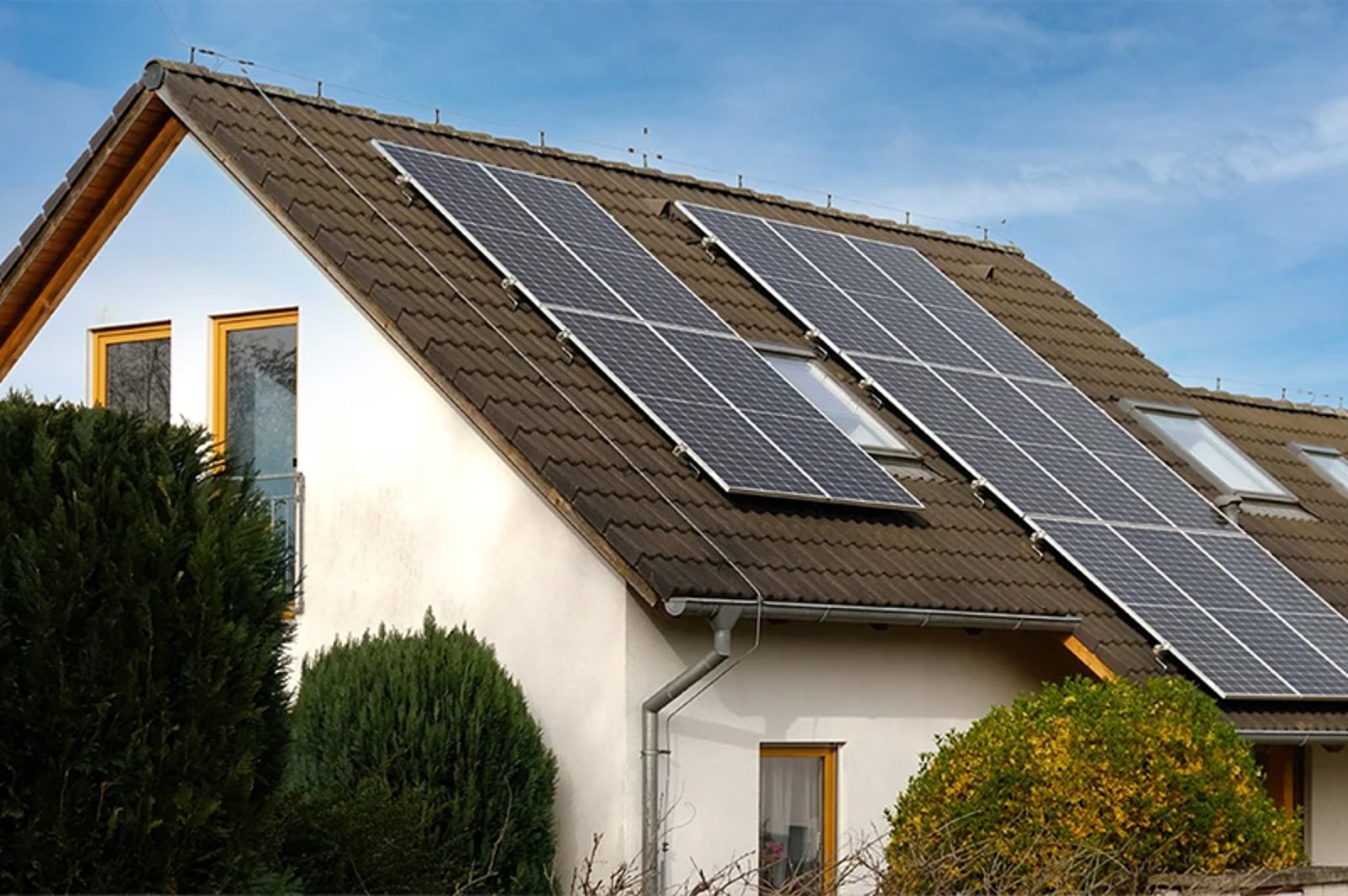
Solar
Import and generation, separately
One channel on the mains and one on the solar circuit gives you what you imported and what your roof made, as two separate numbers. A single channel nets them together and hides both. The clamp reads the current in the cable, so the meter works the same whoever made the panels or the inverter.
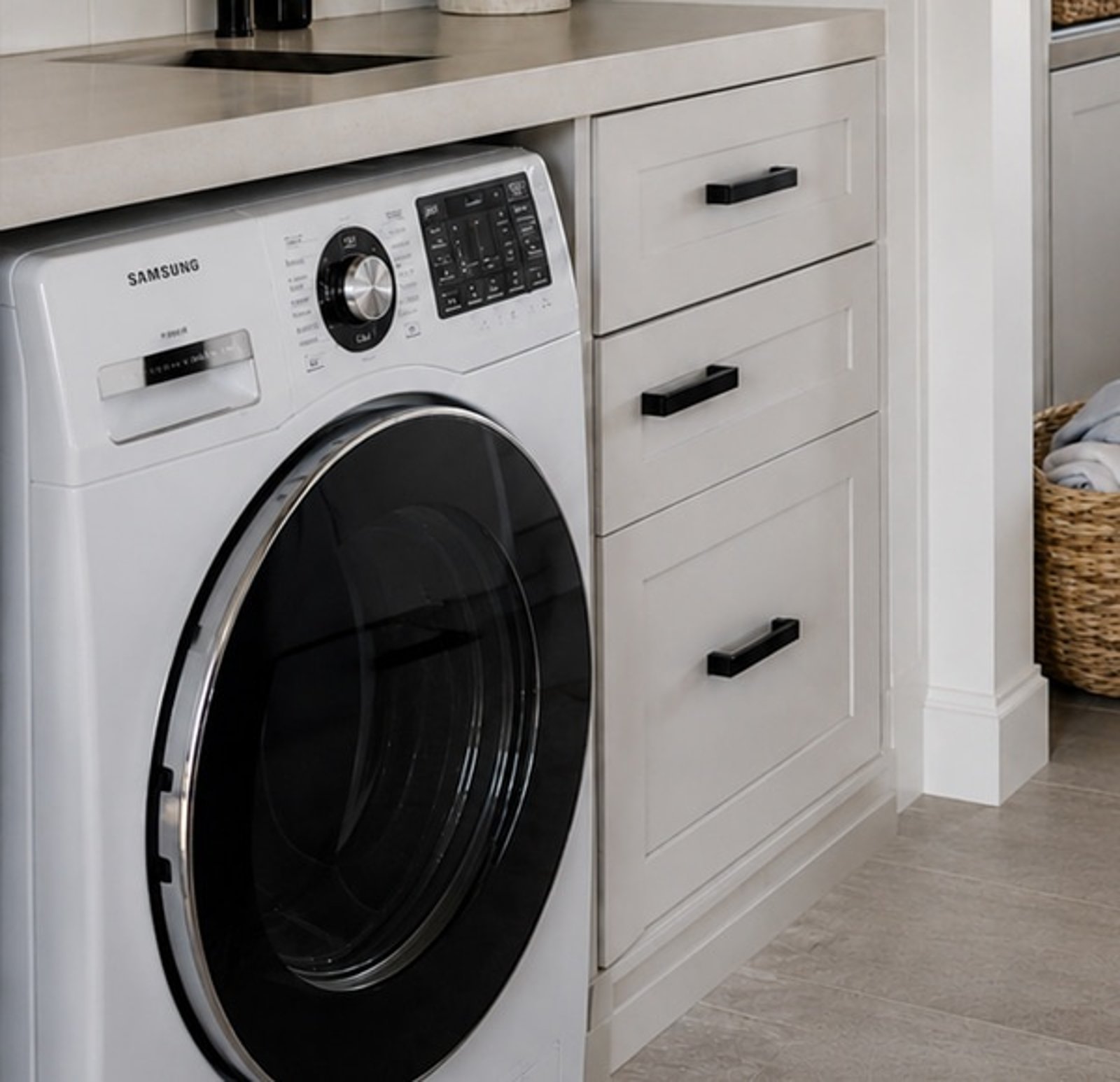
Alerts
Know when something finishes or fails
When a circuit drops to nothing, whatever was running has finished, so an automation can tell you the washing machine is done. An old fridge or a pool pump drawing more than it used to is often the first sign it needs a service.
Getting started
1
Start with what you want to know Start here
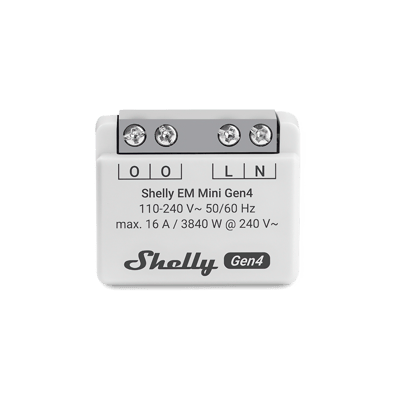
One appliance, or the whole house? A single circuit you can reach in the wall is an EM Mini Gen4 job. The EM Gen3 clamps up to two circuits, or the mains of a single phase house. For something more substantial that lives in your switchboard, look at the Pro range, which clips onto the DIN rail.
2
Add more as you go Then
Each meter works independently, so you can start with a single circuit and add more as you need them. They don't need to match: mix models and generations, and they sit side by side in the Shelly app or Home Assistant.
What's in the box
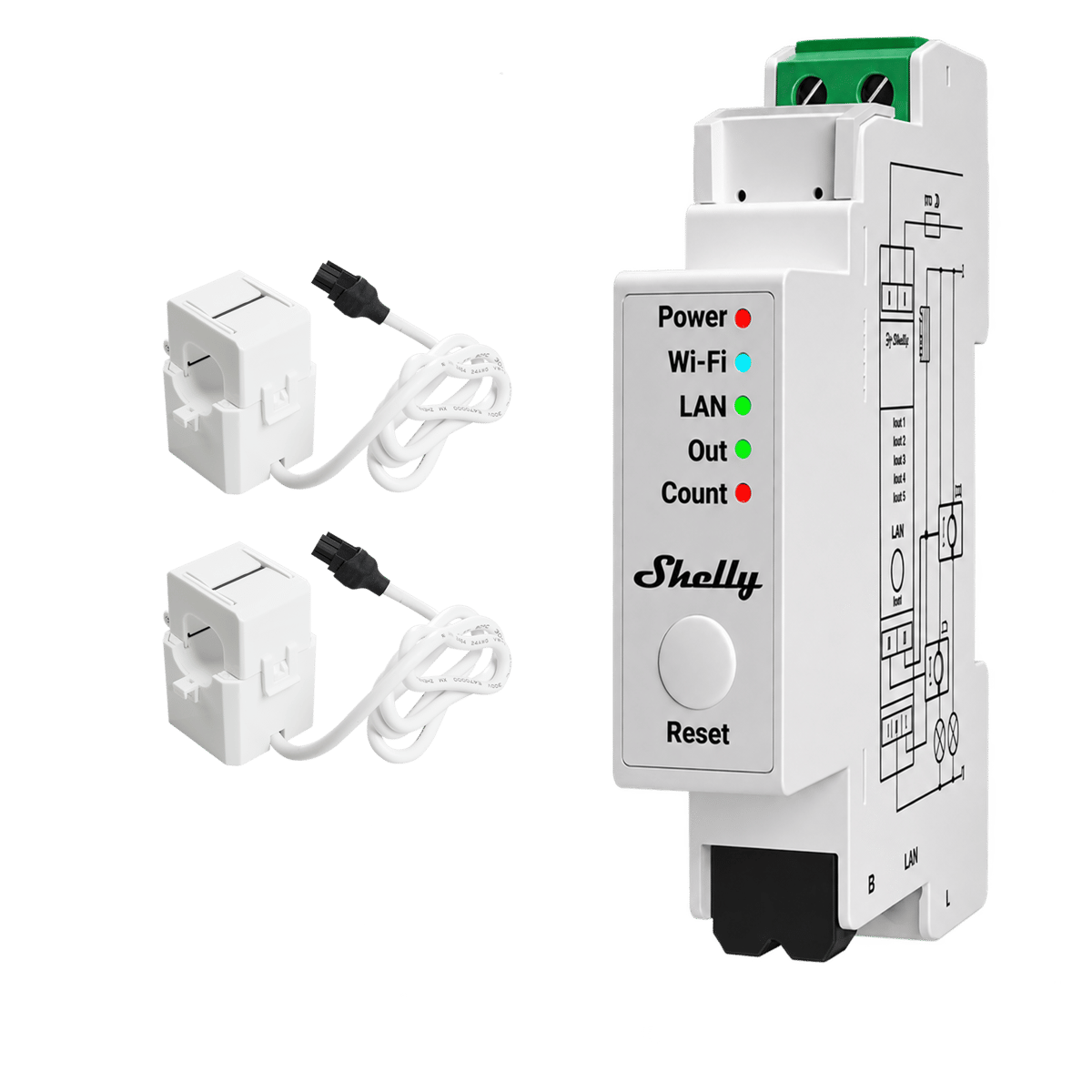
- 1× Shelly Pro EM-50 energy meter
- DIN rail mount, two metering channels
- 2× 50 A current transformer clamp
- One per channel
Works with
Also works with
-
Pairs with Amazon Alexa
-
Pairs with Google Home
-
Pairs with Home Assistant
-
Pairs with SmartThings
Connects over
On Wi-Fi or Ethernet
Joins your home network, so you control it from the app with no hub or bridge.
-
Ethernet
-
Wi-Fi
Set up over Bluetooth
Used once, to get it onto your Wi-Fi.
-
Bluetooth
Works offline
Keeps working on your home network when the internet is down.
Scripts
15
Give it jobs the app can't
Scripts add jobs the meter can't do with the Shelly app's schedules and actions alone, like acting on the weather forecast or sending an alert to your phone. Each one is a small program that runs on the meter itself: copy it, paste it into the device's script editor and press Start. It doesn't need a hub, a cloud account or a subscription.
-
Energy Load shedding: switch an appliance off when the draw gets too high -
Energy Phone alert when today's power use passes your daily limit -
Energy Track your peak demand on a demand tariff, with a daily report -
Energy What your home's standby power costs, reported every morning -
Energy What your power costs on a time-of-use tariff, worked out daily -
Notifications Phone alert when your mains voltage goes too high or too low
Scripts are free; installing one takes about two minutes.
Specifications & Installation
Setup · 2:18
How to install it
Shelly's own step-by-step install, from isolating the power to mounting it on the DIN rail and wiring it in.
Watch setup videoNo specifications match.
Power
- Power
- Hardwired
- Standby power
- < 3 W
- Phases
- Single-phase
- Channels
- 2 channels
- Measured by
- CT clamp
- Max current per circuit
- 50 A
- CT clamps included
- Yes
- Accuracy (±)
- 1 %
- On-device history
- 60 days
- Relay output
- Yes
- Power supply voltage AC
- 100 - 260 V, 50/60 Hz
- Power supply voltage DC
- N/A
- Form
- DIN-rail
- Housing material
- Plastic
- Standard
- 802.11 b/g/n
- Range (indoors)
- 30 metres
- Version
- 4.2
- Range (indoors)
- 10 metres
- Operating temperature
- -20–40 °C
- Operating humidity
- 30–70 % RH
- Max altitude
- 2000 metres
- Size (HxWxD)
- 94x19x69 ±0.5 mm / 3.70x0.75x2.71 ±0.02 in
- Weight
- 63 ±1 g / 2.22 ±0.05 oz
- Mounting
- DIN rail
- Screw terminals max torque
- 0.4 Nm / 4.43 lbin
- Conductor cross section
- 0.5 to 2.5 mm² / 20 to 14 AWG (solid, stranded and bootlace lugs)
- Conductor stripped length
- 6 to 7 mm / 0.24 to 0.28 in
- Color
- White
- Max switching voltage AC
- 240 V
- Max switching voltage DC
- N/A
- Max switching current
- 2 A
- Internal-temperature sensor
- Yes
- Voltmeter (RMS)
- 100 - 260 V
- Voltmeters accuracy
- ±1 %
- Ammeters (RMS via CT)
- 0 - 50 A
- Ammeters accuracy
- ±1 % (5 - 50 A), ±2 % (0 - 5 A)
- Power and energy meters
- * Active and apparent power * Active and apparent energy * Power factor
- Measurement data storage
- At least 60 days of 1 min data resolution
- Data export
- * CSV for PQ recorded values * JSON format export through RPC
- RF band
- 2400 - 2495 MHz
- Max. RF power
- <20 dBm
- CPU
- ESP32-D0WDQ6
- Flash
- 16 MB
- Webhooks (URL actions)
- 20 with 5 URLs per hook
- Scripting
- Yes
- MQTT
- Yes
- CoAP
- No
- SKU
- SHE-SNS-0003
- MPN
- SPEM-002CEBEU50
- Barcode
- 3800235268148
Common questions
Quick answers before you buy. We test this gear ourselves. Can't find yours? Ask our Melbourne team
In the switchboard, on the DIN rail. It's licensed-electrician work in Australia.
Yes. It measures the flow in both directions, so you see what you're buying from the grid and what you're exporting as separate numbers rather than one net figure.
Only through a contactor. The built-in relay is a dry contact for driving one, not an output that carries the load itself.
No. It runs on your own network, stores its own history and speaks MQTT, HTTP and WebSocket locally.
Shelly · Pro EM 50 Energy Meter