















Flood Gen4
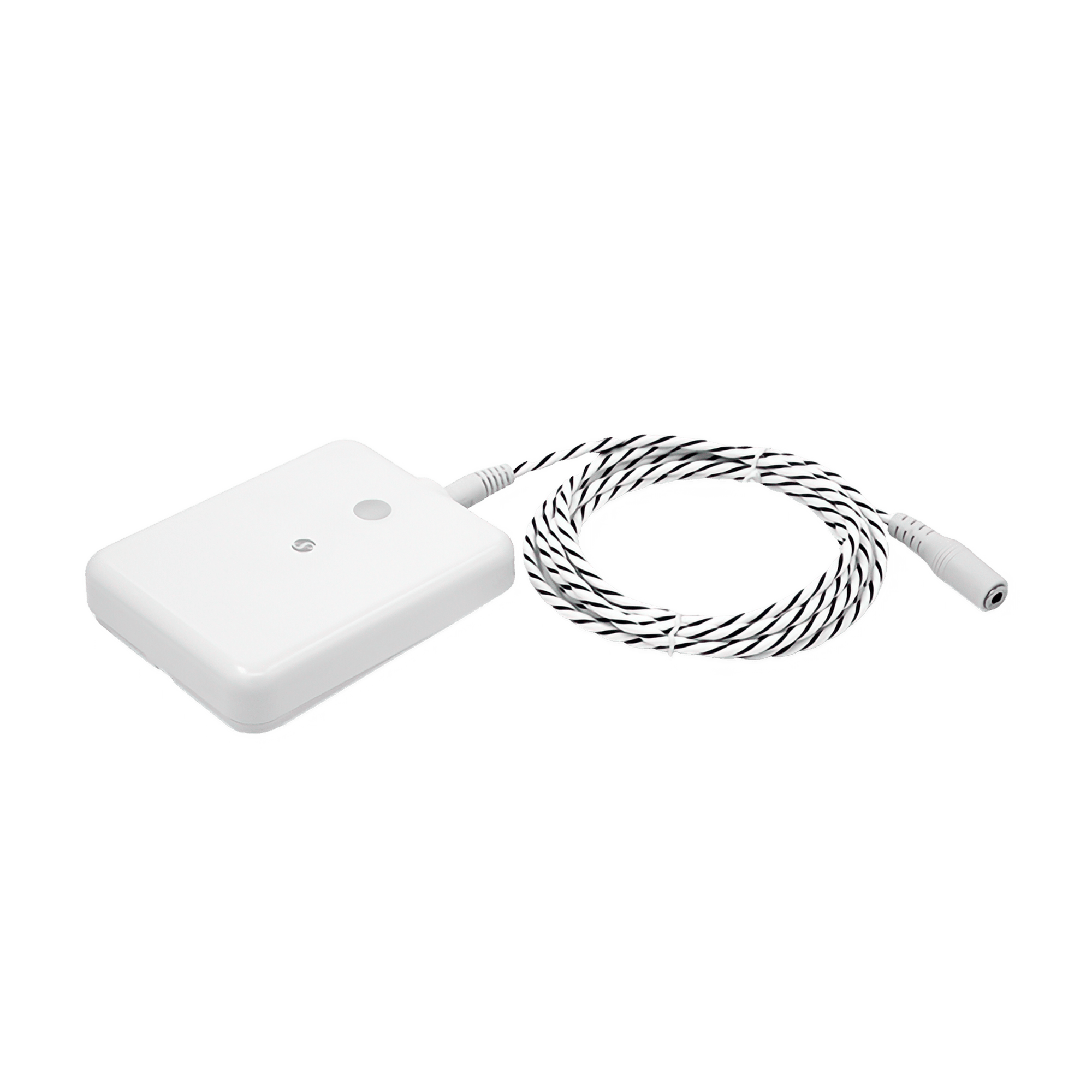
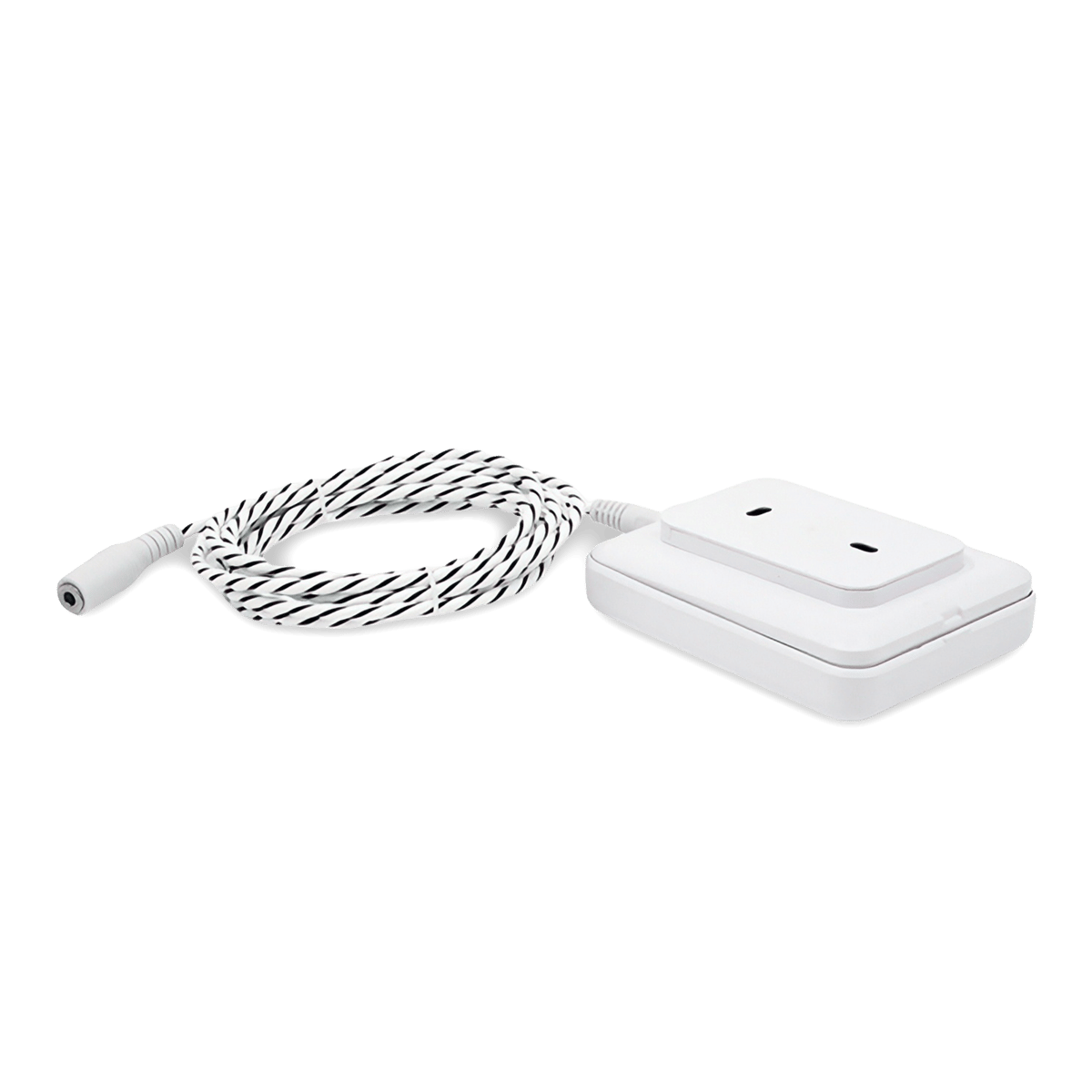
A leak alarm that senses along a cable rather than at a single spot. The cable detects water anywhere on its length, and more cables chain on to cover up to 150 metres. Wi-Fi 6, Zigbee and Matter, running on four AA batteries.
$59.95 inc GST In stock · ships today
Currently sold out.
Free shipping over $150 Order before 3pm Melbourne time on a weekday and it ships the same day.
30-day returns Unused items, easy online returns
3-year warranty Backed by Shelly
Everything you need to know
The sections below cover what this sensor does, the jobs people put it on, the full specifications, and how warranty and returns work. If something's still unanswered, the questions at the bottom cover the common ones.
Product features
Senses along a cable, not at one spot
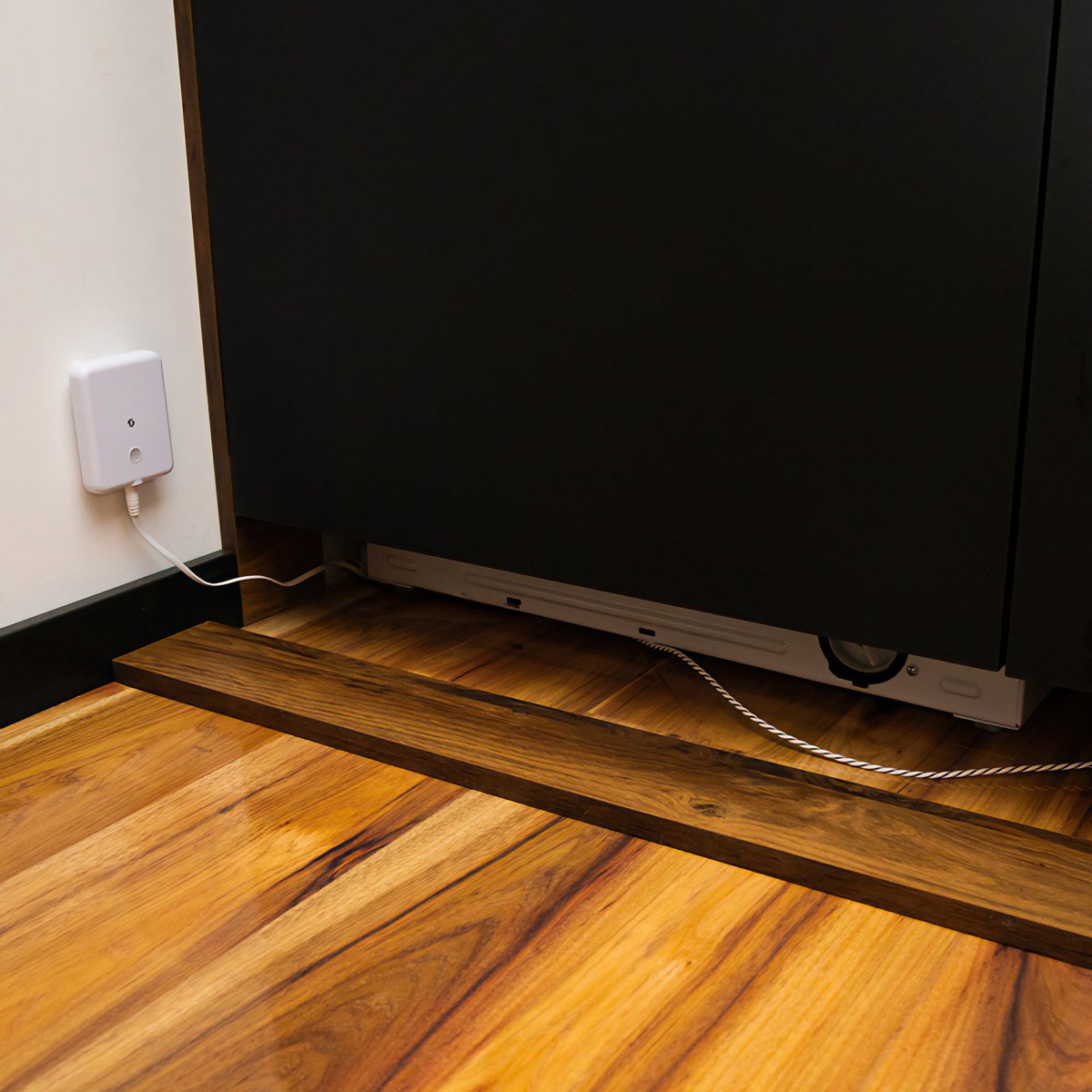
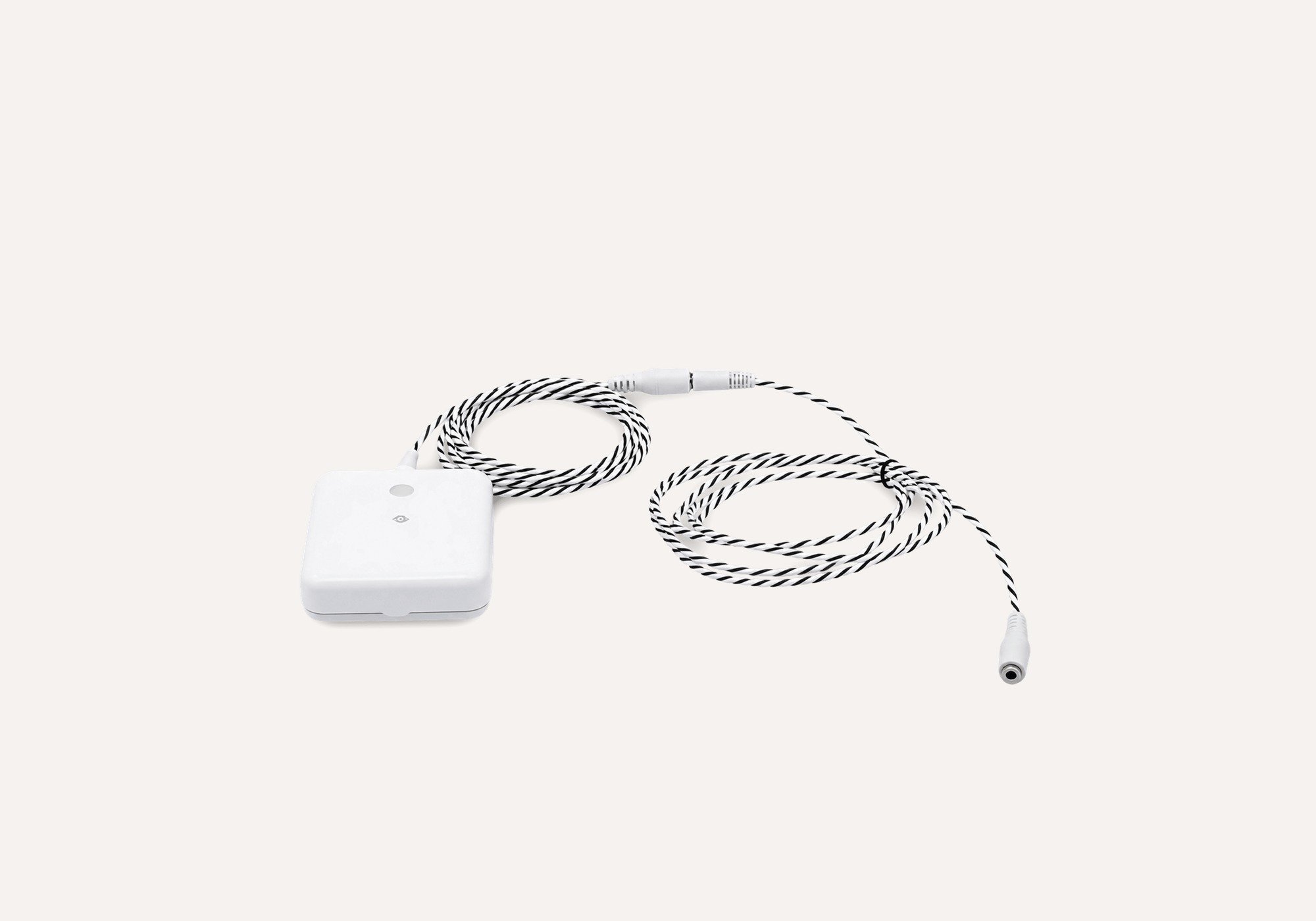
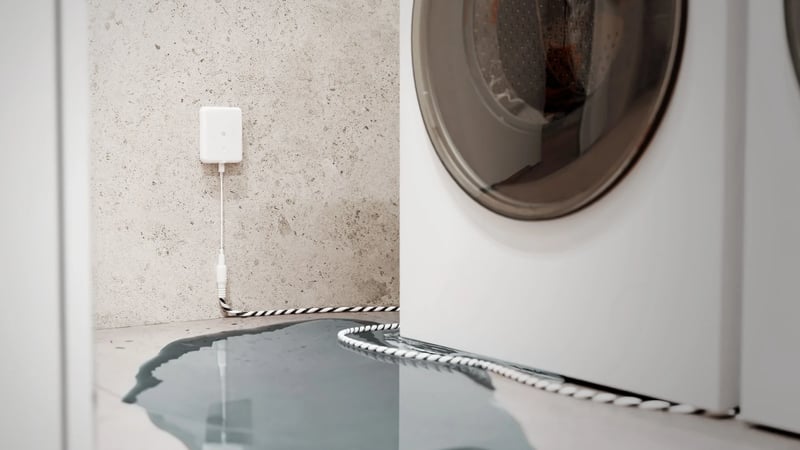
Most leak sensors only know about water that reaches the one place you put them. The Flood Gen4 comes with a leak sensor cable that detects water anywhere along its length, so you can run it the full width of a laundry, around a hot water unit, or along the back of a kitchen cabinet. Cables chain together, and Shelly rates the run to 150 metres.
- Detects water anywhere along the cable
- Cables chain together, up to 150 m of coverage
- Wall mounted, sensing where the water is
Wi-Fi 6, Zigbee and Matter
The sensor speaks Wi-Fi 6, Bluetooth 5 LE and Zigbee, and ships on the Matter profile, so it joins Apple Home, Google Home, Alexa or SmartThings without a bridge. Five quick presses of the button move it to Zigbee instead if you would rather run it on a hub such as Home Assistant.
- Matter over Wi-Fi by default, no bridge needed
- Five button presses to switch to Zigbee
- Wi-Fi 6, Bluetooth 5 LE and Zigbee on board
How Shelly works

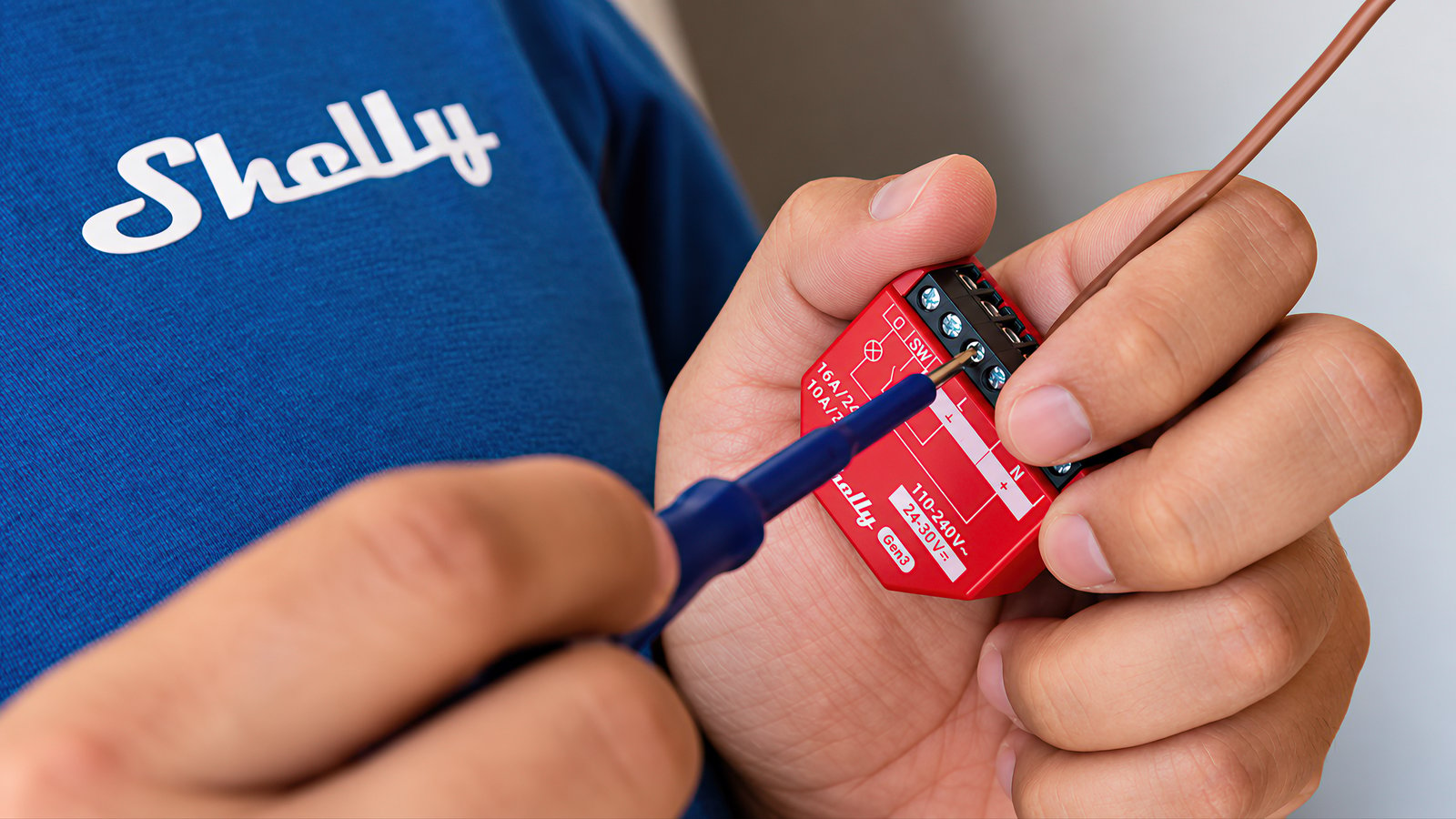
A Shelly is a small module that makes wiring you already have controllable. It joins your Wi-Fi directly, holds its schedules and scenes on the device itself, and keeps running them if your internet drops. Nothing you set up depends on Shelly's servers being reachable.
The device
The brain is the device
Shelly does the thinking locally, not in a data centre. Schedules, scenes and logic are stored on the unit and run there, so the lights still come on at dusk when the internet is out.
The network
No hub, no bridge
There is nothing to buy before the first one works. Where a Philips Hue setup is built around a Bridge that every light talks through, a Shelly joins your router directly and answers your phone from there.
The control
The app is optional
Every Shelly serves its own web interface, so you can set it up and run it from a browser on your own network, with no account. The Shelly Smart Control app and Shelly Cloud are free and add remote access and voice control, but nothing needs them.
The generations
What Gen1 to Gen4 means
Shelly has run through four hardware generations, and the same product name can exist in more than one of them. Later generations are faster and carry more radios than the ones before, which is why the generation is part of the name. The specifications on each page tell you which one you are looking at.
Getting started
1
It goes behind what you already have Start here
Shelly retrofits. The module fits behind the switch, socket or appliance that is already there, so your switch plates and fittings stay as they are and the original switch keeps working for anyone who just wants to flick it. Anything wired into a mains circuit is a job for a licensed electrician.
2
Open by design Then run it your way
Shelly publishes its local API and does not put it behind a developer account. Devices answer HTTP and MQTT on your own network and can run small scripts on themselves. That is why Shelly is the default choice for people building on Home Assistant, which ships an official Shelly integration.
Start with one and add more whenever you like. There is no hub to outgrow, and each Shelly works on its own whether you ever add another or not.
What's in the box
- 1× Shelly Flood Gen4 water leak sensor
- Runs on 4 AA batteries
- 1× Leak sensor cable
- 2 m, detects along its whole length, extendable to 150 m
Works with
Also works with
-
Pairs with Amazon Alexa
-
Pairs with Apple Home
-
Pairs with Google Home
-
Pairs with Home Assistant
-
Pairs with SmartThings

Works with Matter
Also works with Matter, so it can join other Matter platforms as well as the ones above.
Connects over
On your Wi-Fi
Joins your home network, so you control it from the app with no hub or bridge.
-
Wi-Fi
or
On your Zigbee network
Joins a Zigbee network you already run, like Home Assistant or SmartThings, instead of the Shelly app.
-
Zigbee
Set up over Bluetooth
Used once, to get it onto your Wi-Fi.
-
Bluetooth
Works offline
Keeps working on your home network when the internet is down.
Specifications
No specifications match.
Power
- Power
- Battery
- Battery
- AA
- Mounting
- Free-standing
- Placement
- Indoor
- Housing material
- Plastic
- Reports temperature
- Yes
- Detects by
- Contact probes
- Device type
- Leak sensor
- Built-in siren
- Yes
- Standard
- 802.11 b/g/n/ax
- Range (indoors)
- 30 metres
- RF band
- 2401 - 2483 МHz
- Max. RF power
- < 20 dBm
- Version
- 5 (LE)
- Range (indoors)
- 10 metres
- RF band
- 2402 - 2480 MHz
- Max. RF power
- < 20 dBm
- Range (indoors)
- 100 metres
- Protocols
- 802.15.4
- RF bands
- 2405 to 2480 MHz
- Max. RF power
- < 20 dBm
- Operating temperature
- -20–40 °C
- Operating humidity
- 30–70 % RH
- Max altitude
- 2000 metres
- Size (HxWxD)
- 97x76x25 mm / 3.82x2.99x0.98 inch
- Weight
- * 91 g / 3.21 oz (without batteries) * 185 g / 6.53 oz (with batteries)
- Mounting
- Wall
- Shell color
- White
- Power supply
- Batteries
- Battery type
- 4x AA 1.5 V
- Estimated battery life
- approx. 2 years (depending on batteries used, device usage, and network connection strength)
- Leak sensor cable
- 2 m, extendable (up to 150 m), attaches via designated port
- CPU
- ESP-Shelly-C68F
- Flash
- 8 MB
- Schedules
- No
- Webhooks (URL actions)
- 10 with 2 URLs per hook
- Scripting
- No
- MQTT
- Yes
- UDP
- Yes
- KVS (Key-Value Store)
- Yes
- SKU
- SHE-SNS-0007
- MPN
- S4SN-0071A
What you can do with it


Common questions
Quick answers before you buy. We test this gear ourselves. Can't find yours? Ask our Melbourne team
Yes. The Flood Gen4 ships with a leak sensor cable. Extra cables chain onto it if you want to cover more ground, up to a rated run of 150 metres.
Shelly estimates about two years on four AA batteries, depending on the batteries, how often it reports and how strong your network signal is.
Both. It has a built-in buzzer for an alert in the room, alongside notifications to your phone.
Yes. It ships on the Matter profile, so it joins Apple Home, Google Home, Alexa or SmartThings without a bridge. Five button presses switch it to Zigbee for a hub such as Home Assistant.
This one senses along a cable, so it covers a run rather than a point, and takes four AA batteries. The Flood S is a smaller puck that senses through pads on its base and sits flat under an appliance.
Shelly · Flood Gen4