












Philips Hue Motion Sensors
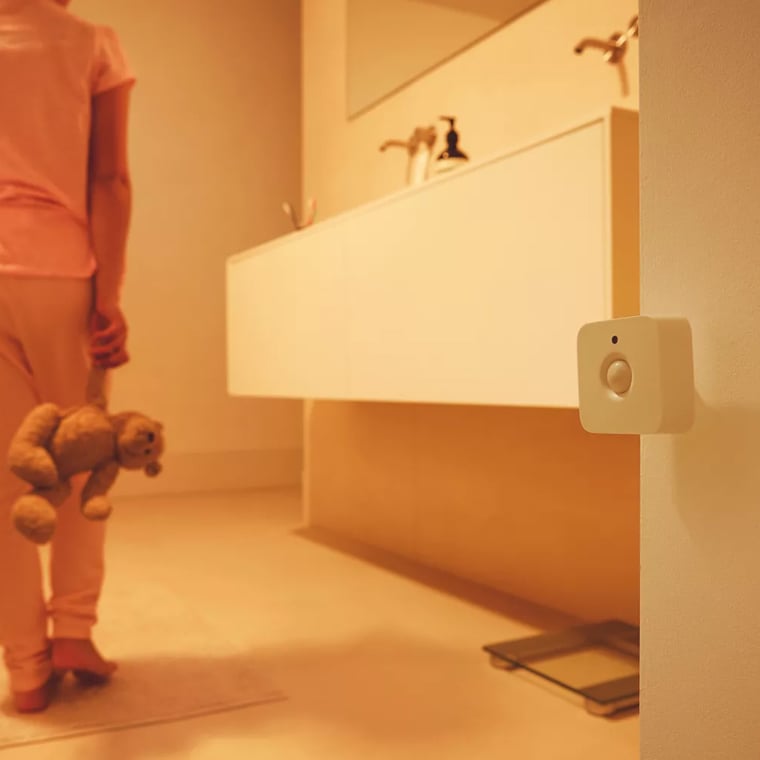
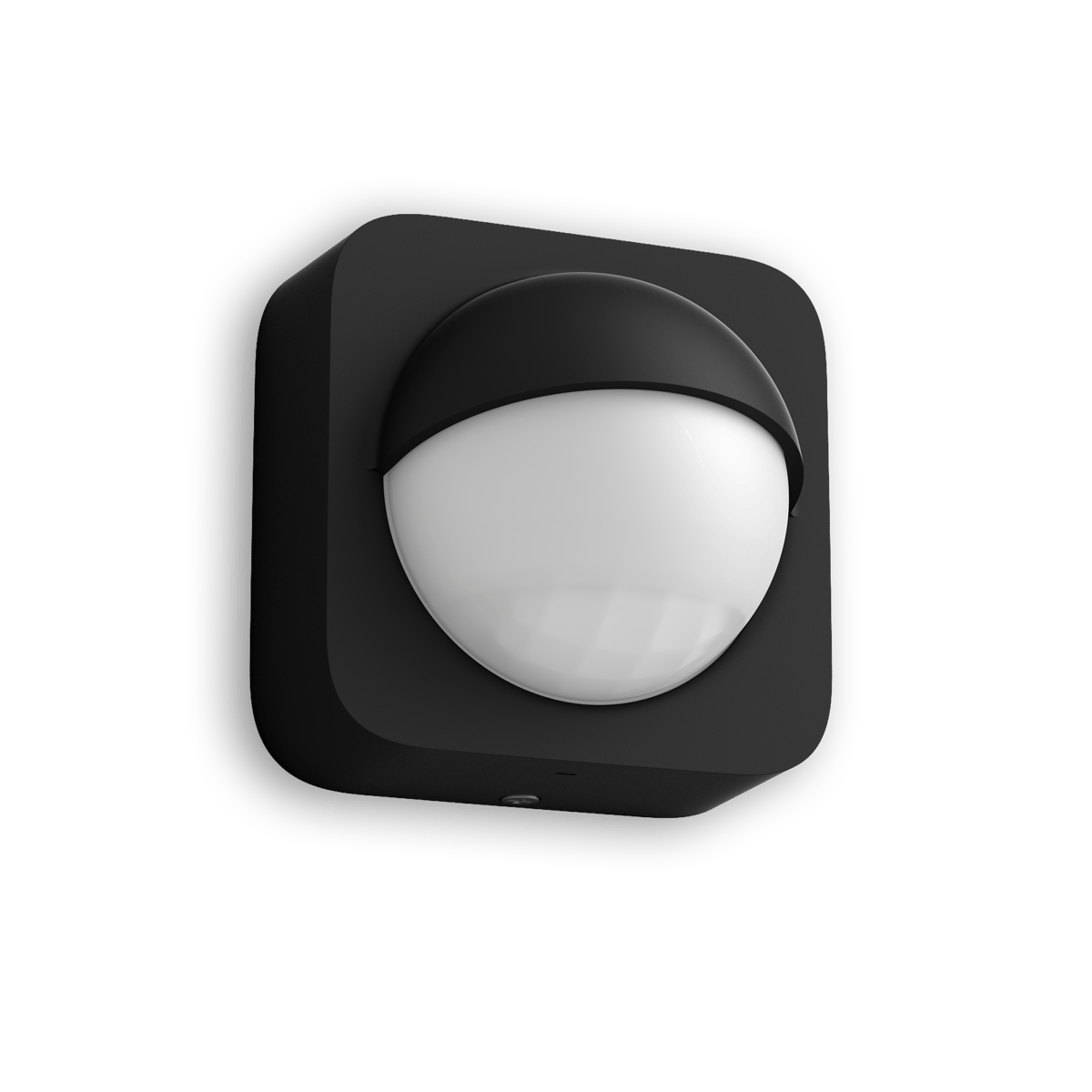
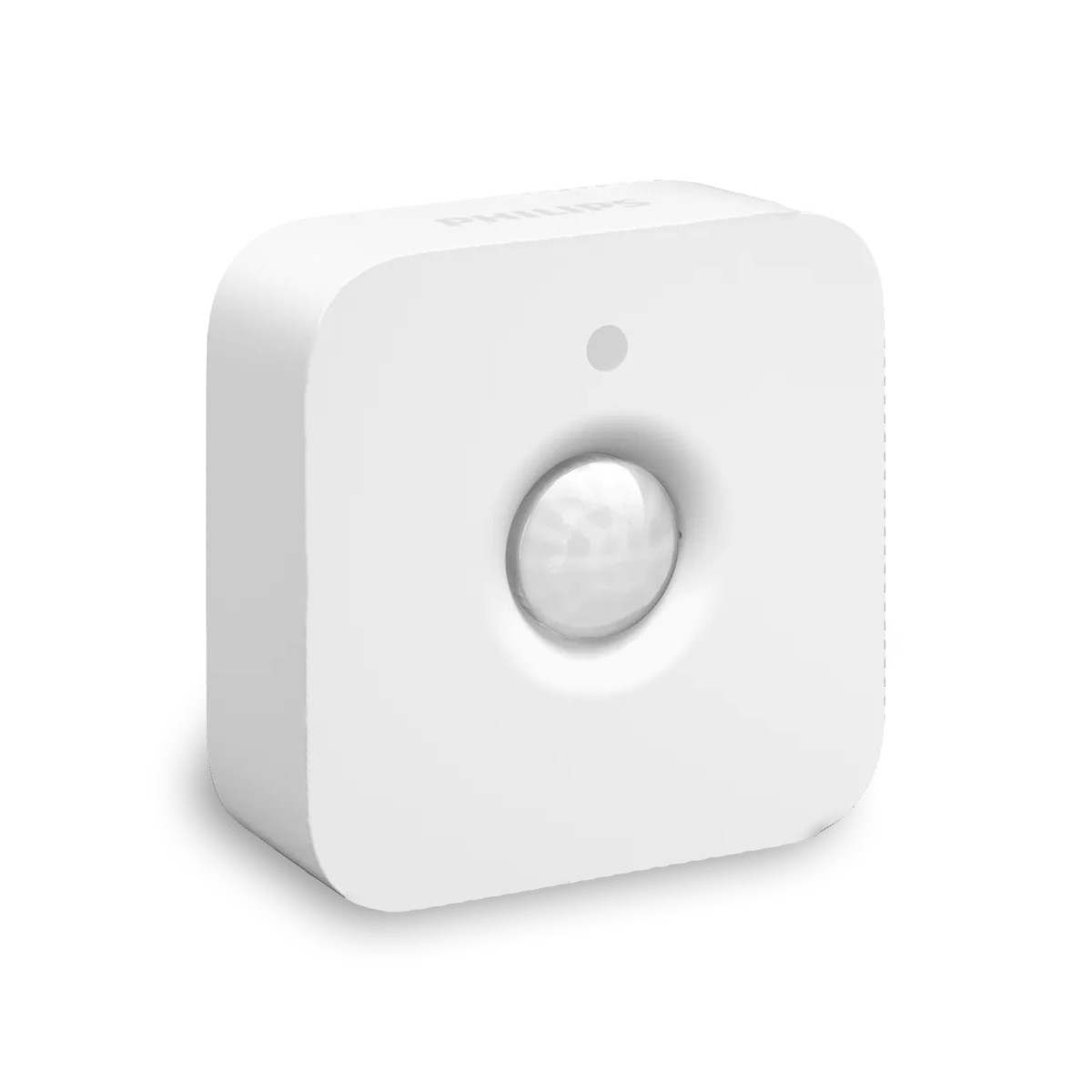
Two Philips Hue motion sensors: one for indoors at 5 m range, one weatherproof for outside at 12 m. Both run on batteries and both need the Bridge, so the automation fires without your phone.
The indoor sensor
Detects to 5 metres, sits on a shelf or mounts to a wall, and runs on batteries. The usual jobs are a hallway, a walk-in robe or a laundry that should light up as you walk in.
The outdoor sensor
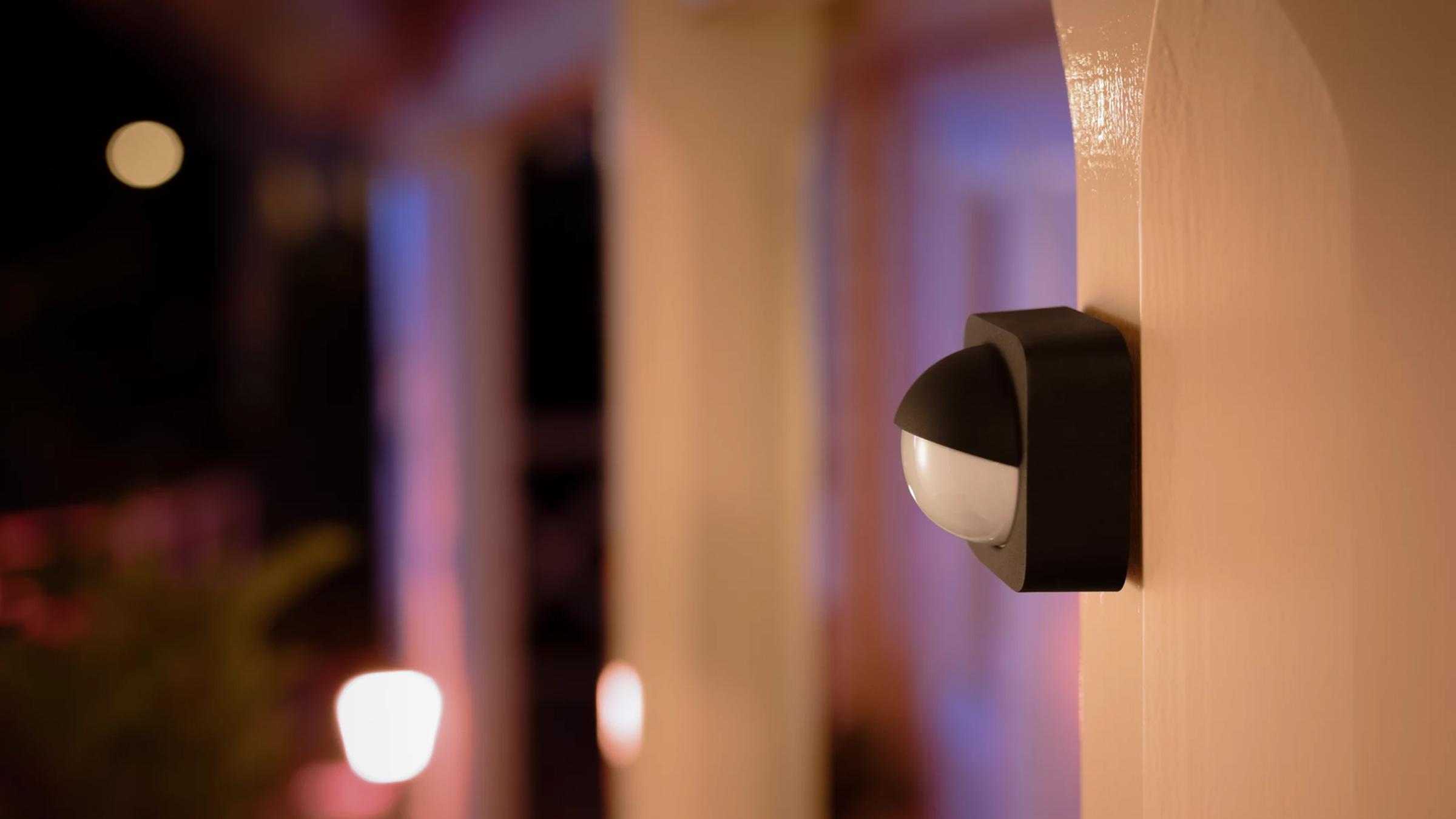
Detects to 12 metres and is rated IP54, so it handles rain. It is the piece that makes a path or a driveway light as you arrive.
Both need the Bridge
Motion rules live on the Bridge rather than in the app, which is why these two need one. That is also what makes them reliable: the light comes on whether your phone is home or not, and whether the internet is up or not.
Day and night behaviour
A sensor can run different brightness by time of day, so a hallway comes up full in the afternoon and to a dim warm glow at 2 am. It is the setting that stops motion lighting being annoying.
Philips Hue · 2 products Philips Hue Motion Sensors Australian stock


Battery guide
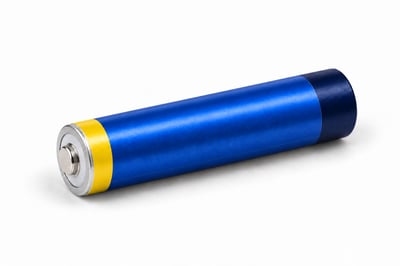
Which battery does it take?
Most sensors run for a year or more before the battery needs changing. The size decides where you can buy a spare.
-
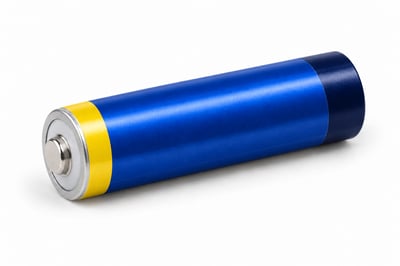
AA
Standard sizeThe standard cylindrical battery, and the easiest size to find a spare for.
-
AAA
Slim sizeThe slimmer cylindrical battery, used where a sensor needs to stay small. Just as easy to find as AA.
None selected
Tap products to compare them
That's the most you can compare at once


No products match those filters.
More about Philips Hue motion sensors
Choosing a Philips Hue motion sensor.
Aim it across the path, not down it
A passive infrared sensor picks up movement crossing its field much faster than movement heading straight at it. Mount it so people walk across the sensor's view and it will trigger before they are in the room.
Set the night behaviour first
The default is full brightness, which is what makes people give up on motion lighting after one 3 am trip to the kitchen. Set a dim warm level for overnight before anything else.
Outside needs the outdoor one
The indoor sensor carries no weather rating. Under an eave is still outside as far as it is concerned.
Australian stock, two-year warranty
Held in local stock, with Signify's two-year warranty.