








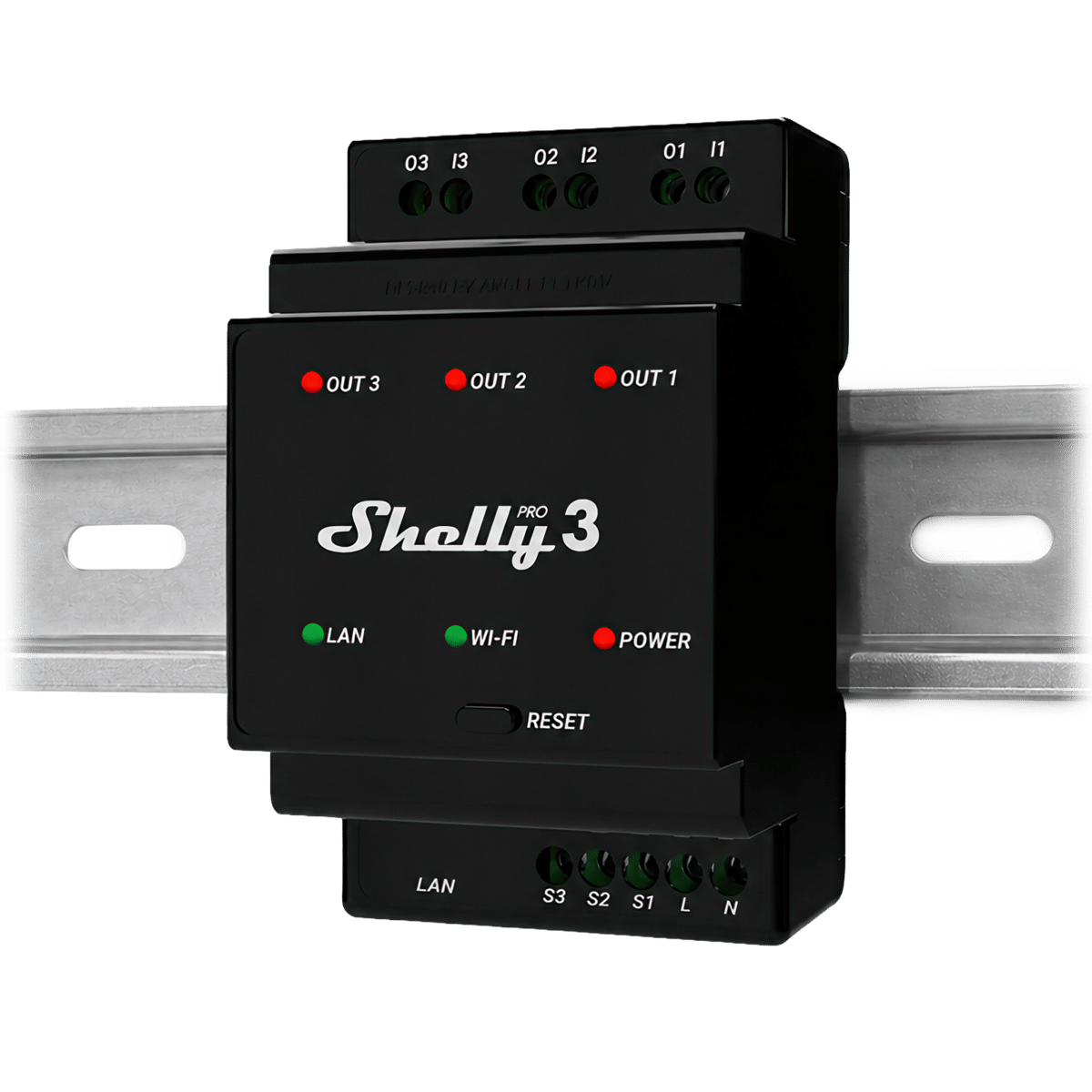
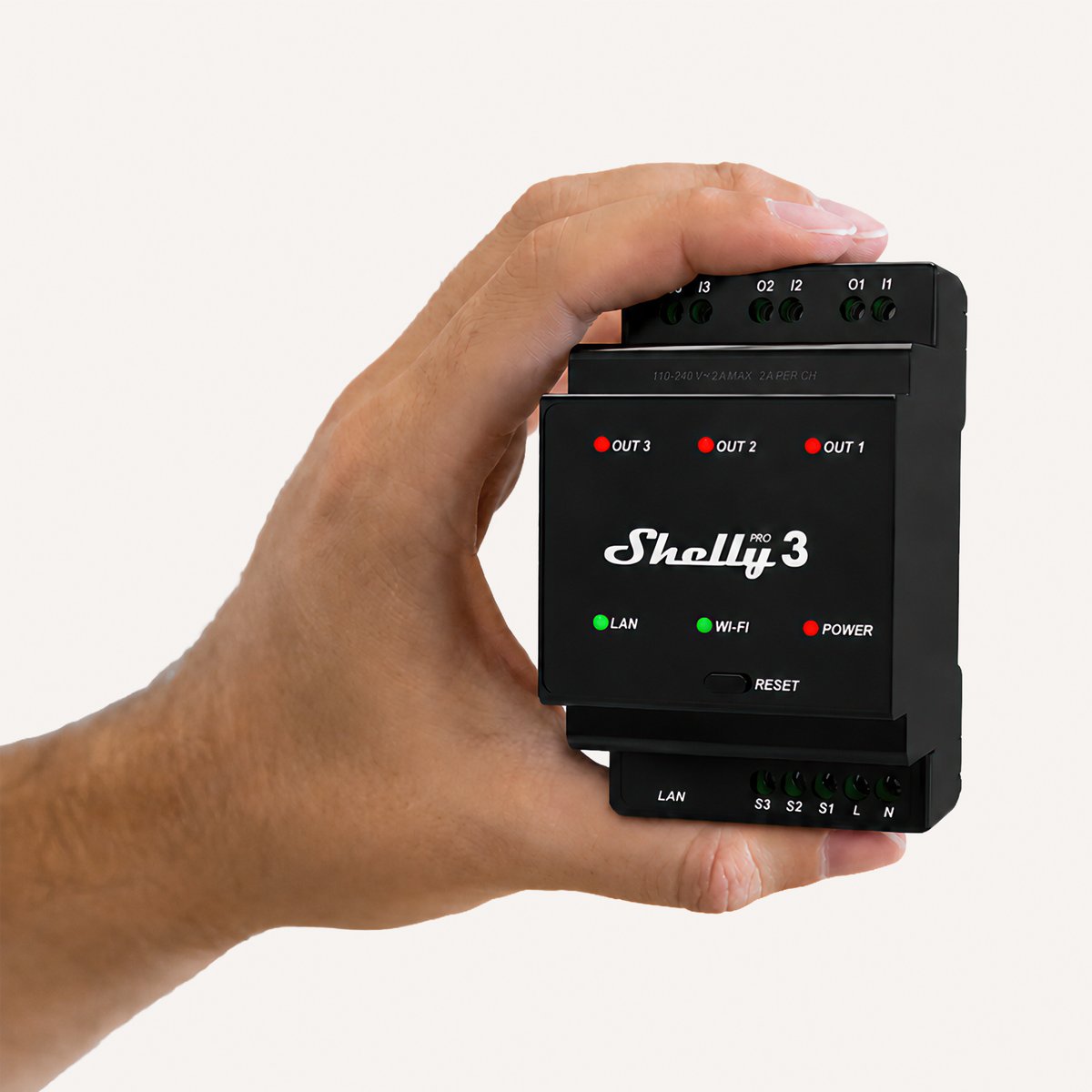
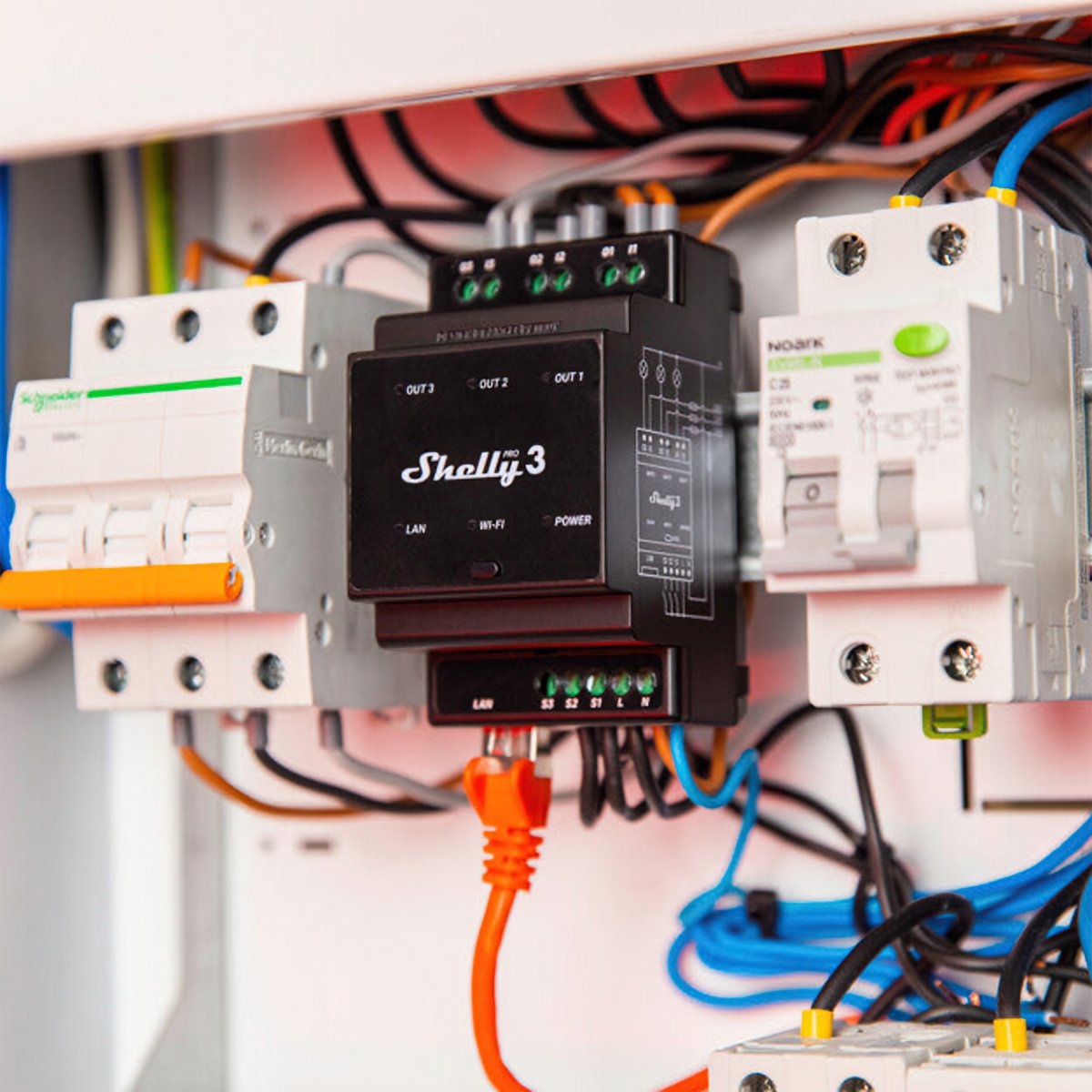

Pro 3 Smart Relay
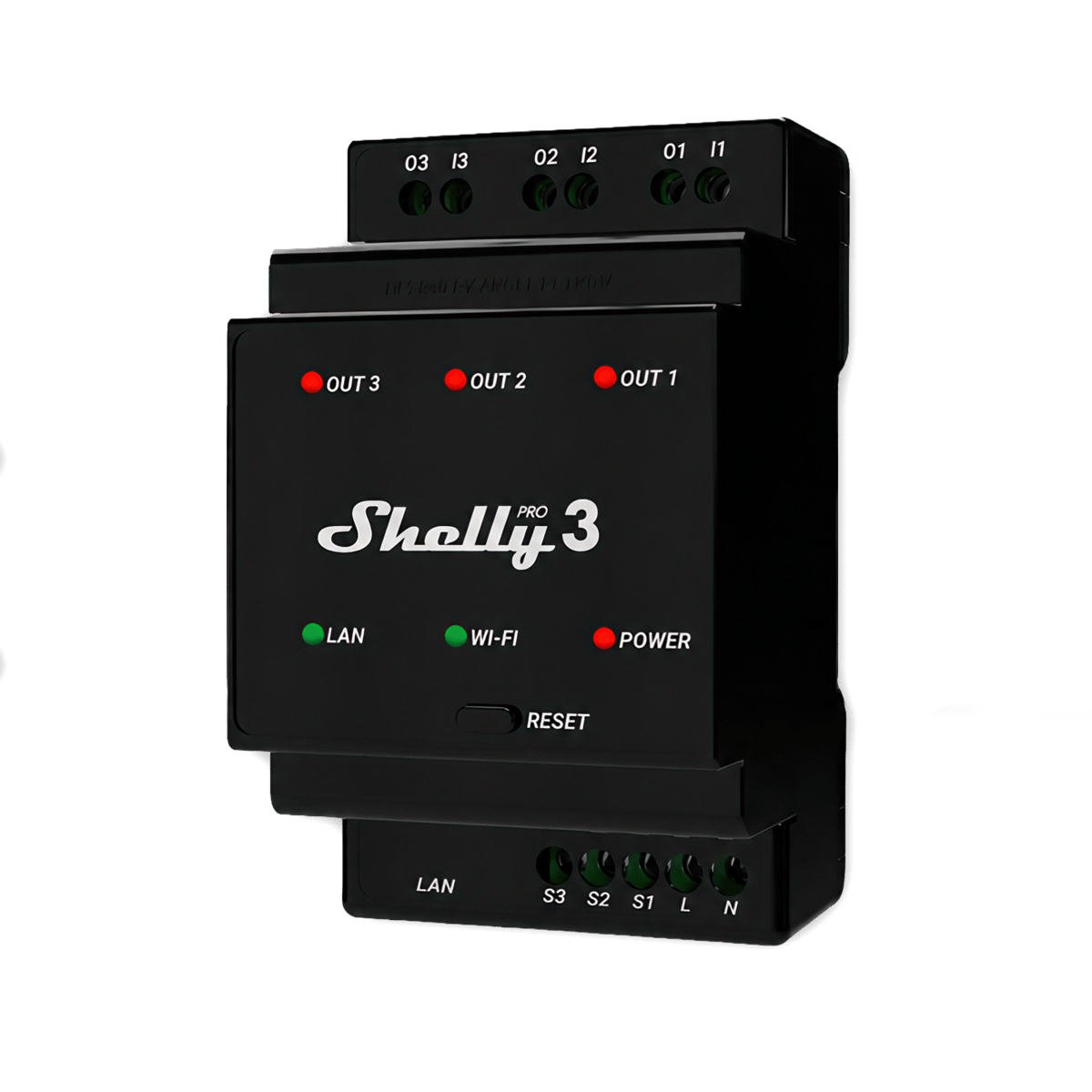
The Shelly Pro 3 switches three circuits from one DIN-rail module, with Ethernet and dry-contact outputs. Built for the switchboard.
$134.95 inc GST In stock at supplier · dispatches in 5 business days
Channels
Filter guide
What's a channel?
A channel is one output the device controls on its own. On a relay, each channel switches one circuit, so a 2-channel relay runs two lights separately. On an LED strip controller, each channel drives one colour line of the strip.
-
One channel
Switches one circuitSwitches one thing on its own: a light, a fan, an exhaust.
-
Two channels
Switches two circuitsTwo circuits controlled separately, like both halves of a double switch.
-
Three channels
Switches three circuitsThree circuits from one module, each on its own control.
Selected -
Four channels
Four outputsFour outputs from one module. On a relay, four circuits each on its own control. On an LED strip controller, enough for an RGBW strip, or four single-colour strips run separately.
Not available with Switching only.
Power Metering
Filter guide
What does energy monitoring do?
The relay measures how much power the circuit is drawing and reports it in the app, so you can see what a heater or pool pump actually costs to run and build automations around usage. Models without it still switch as normal; they just don't measure.
-
Switching only
No power measurementTurns the circuit on and off without measuring power use. Choose this where you only need control, not consumption data.
Selected -
Energy monitoring
Measures power useMeasures the power the connected circuit is using, so you can see consumption per device in the app. These are the models with PM in the name.
Not available with Three channels.
Currently sold out.
Free shipping over $150 Ordered in from our supplier. Allow about 5 business days before it dispatches.
30-day returns Unused items, easy online returns
3-year warranty Backed by Shelly
Everything you need to know
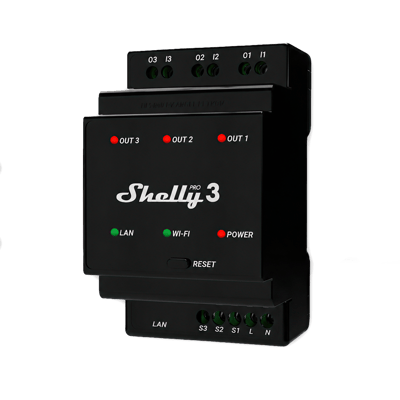
The Shelly Pro 3 is a three-channel DIN-rail relay with 16 A dry-contact outputs, plus Ethernet and Wi-Fi. It has no power metering. It takes three modules on the switchboard rail and needs a licensed electrician to install.
Product features
Three independent circuits, including 3-phase
The Pro 3 switches three completely separate circuits from the switchboard, and it can also switch a 3-phase circuit. Each channel has its own switch input, so the switches around the house keep working while each circuit gains app control, schedules and automations.
- Three independent channels
- Three switch inputs
- Handles 3-phase circuits
Three dry contacts, 48 A in total
Every output is a dry contact, which means it carries no voltage of its own and simply opens or closes the circuit wired to it. Each channel handles up to 16 A, with 48 A across all three, and the contacts can also switch DC circuits up to 30 V.
- Potential-free outputs
- 16 A per channel, 48 A total
- Inductive loads need an RC snubber
Three DIN modules with an Ethernet port
At 53 mm wide, the Shelly Pro 3 takes three modules on the DIN rail. It connects to your network over Ethernet, with Wi-Fi and Bluetooth 4.2 as well.
- Three DIN modules (53 mm)
- Ethernet, Wi-Fi and Bluetooth 4.2
- Rated for -20 to 40 °C
Webhooks, scripts and MQTT on the relay
Up to 20 schedules and 20 webhooks run on the Pro 3, alongside custom scripts and MQTT for connecting other systems. It works with Alexa, Google Home, SmartThings and Home Assistant.
- 20 schedules and 20 webhooks
- Scripting and MQTT
- Overheating protection built in
What is a Shelly relay?

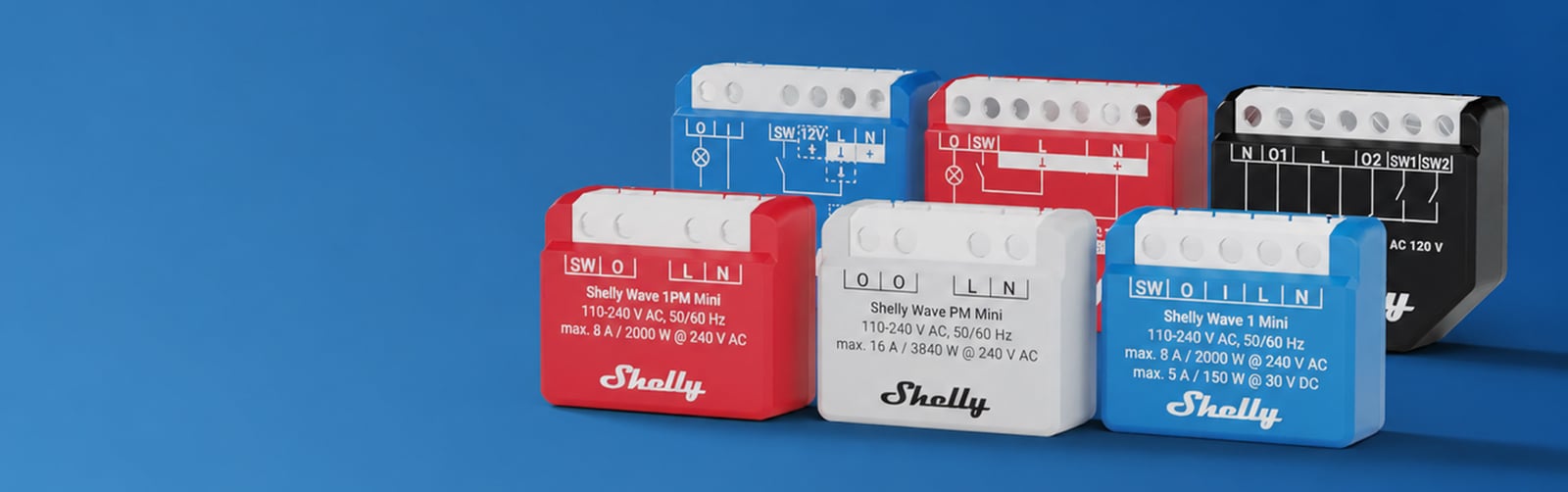
A relay is a small module that hides in the wall box behind a switch, or on the rail in your switchboard, wired in between the power and whatever it controls. That might be a light, an exhaust fan, a towel rail, a pump, or the motor that opens your garage door. Nothing on show has to change. The switch stays on the wall and keeps working exactly as it does now, and the same circuit can also be turned on from your phone, on a schedule, or by an automation.
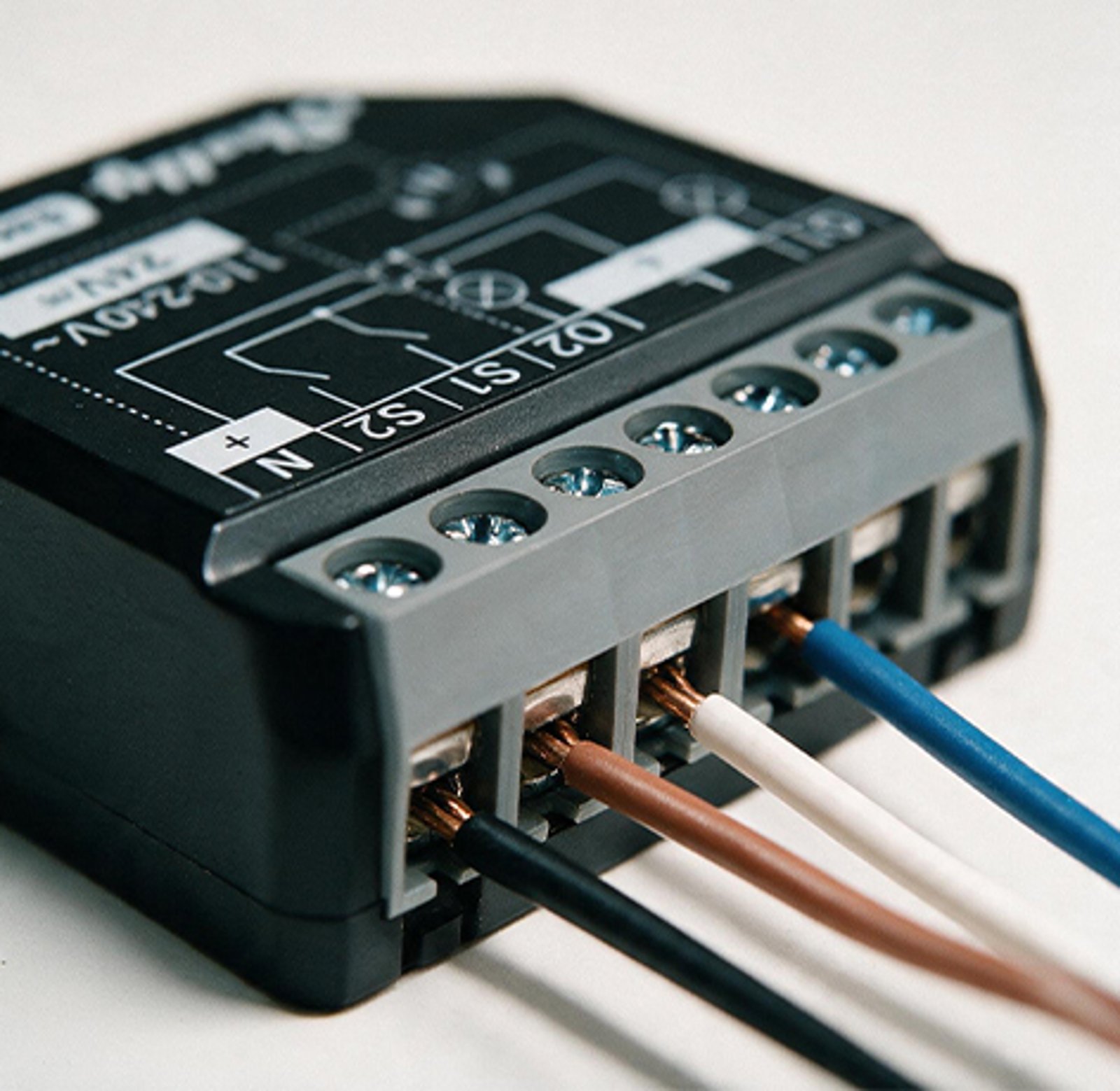
The number
One channel per circuit
The number in the name is how many things the module can switch on its own, from one up to four. A single light or exhaust fan takes a 1. A double light switch controlling two separate lights takes a 2, and each side still works on its own. The Pro 4PM goes up to four.
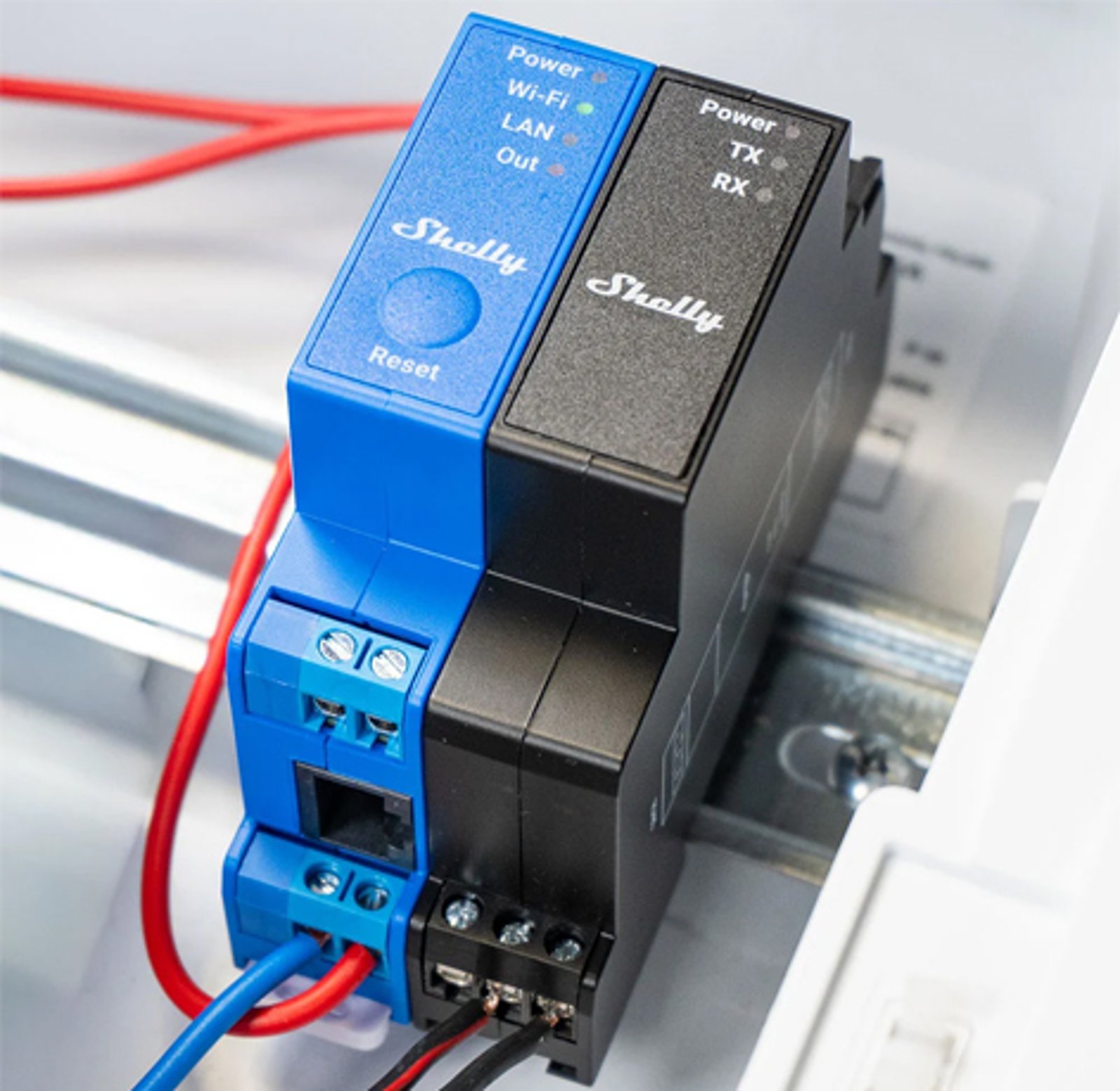
Pro and Mini
Where the module lives
Everything else in the name is about size and place. The standard module sits in the wall box behind your switch, and the Mini is a smaller version of it for when there is very little room left in the box. Pro units are built for the switchboard, clipping onto DIN rail, which is where whole circuits and three-phase work belong.
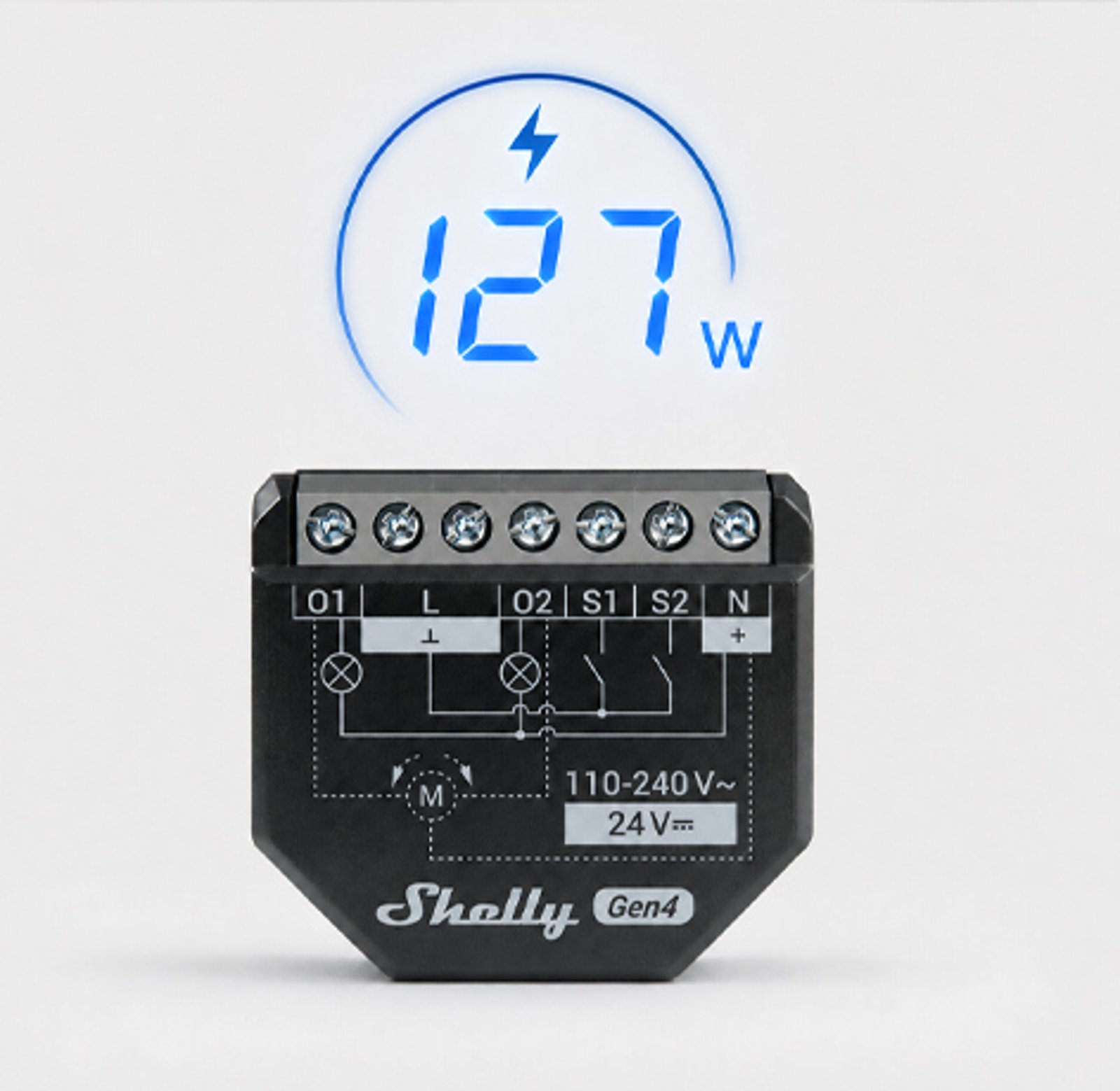
PM
What PM on the end means
PM is power measurement. Those models report what the circuit is drawing and the energy it has used over time, alongside the on or off state, so you can see what a heater or a pool pump actually costs to run. Models without PM switch the circuit and tell you nothing about it.
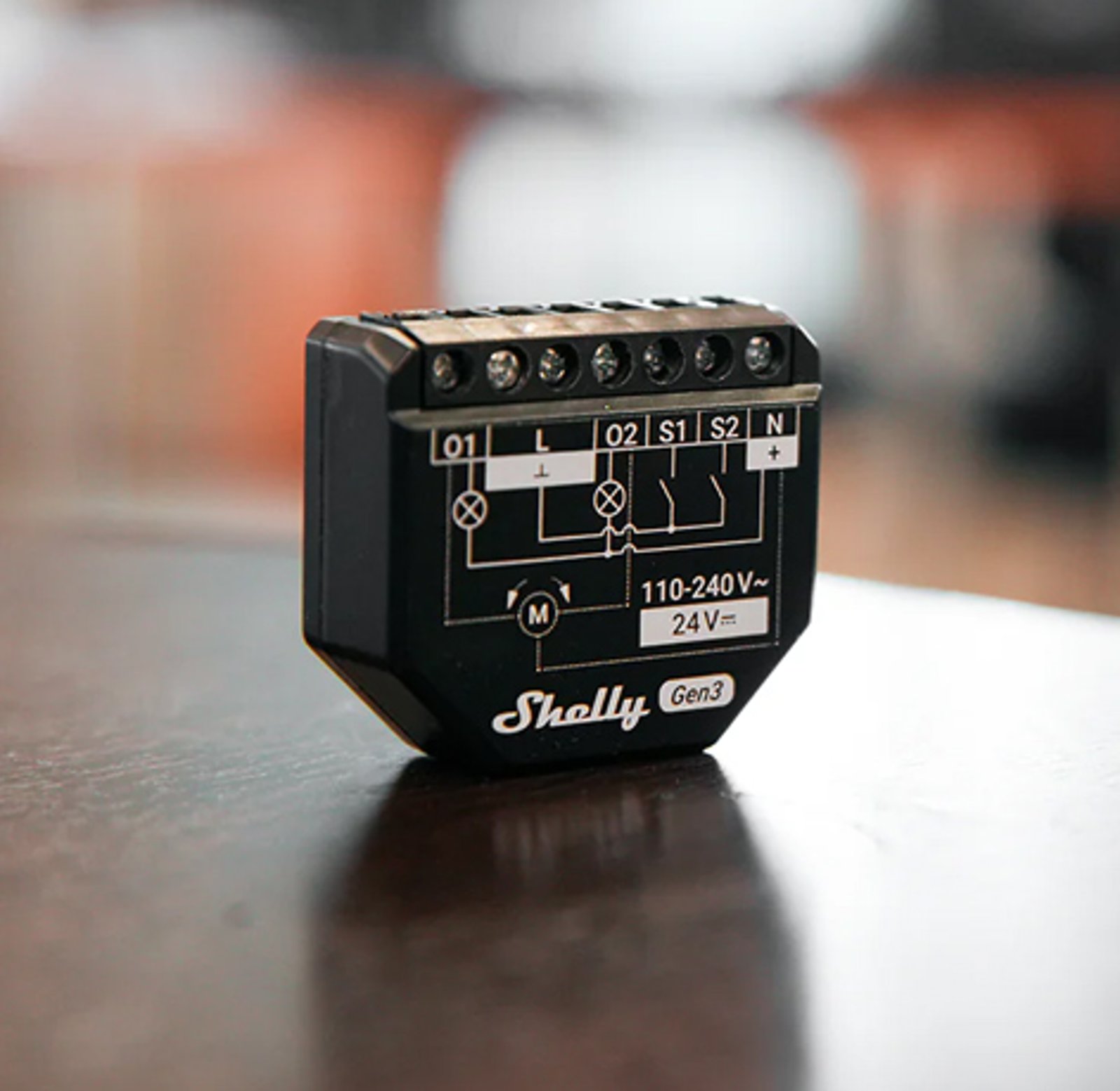
Gen 3 and Gen 4
What the generation changes
The generation tells you which protocols the module speaks. Gen 3 is Wi-Fi and Bluetooth. Gen 4 adds Zigbee and has Matter built in, though it runs one or the other, not both at once. The wiring, the app and the local control are identical. Pro units carry no generation in their name.
The existing controls
Nothing you already use stops working
The switch on the wall keeps doing what it has always done, and so does the button inside the garage. Whatever controls that circuit now carries on working, and the relay adds a second way in from an app, a schedule or a voice assistant. Nobody in the house has to change how they do things.
Smart bulbs
Smart lights that stay reachable
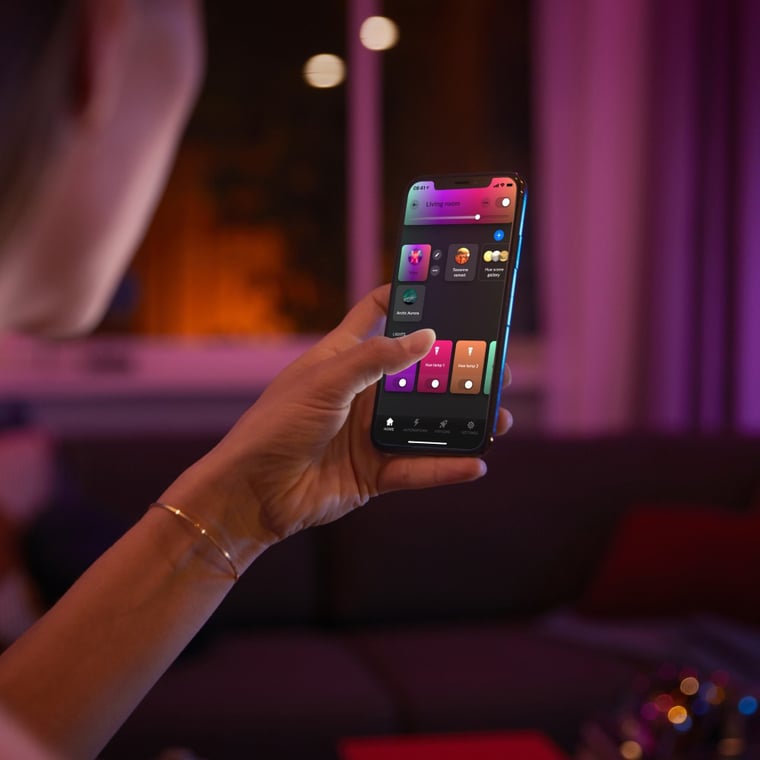
Smart bulbs only work while they have power, so one flick of the wall switch makes them unreachable via an app, like Philips Hue. Set the relay to Detached and the bulbs stay powered while the switch becomes a button your smart home can read, which is how a system like Home Assistant gets the switch and the bulbs working together again.
Works with
Also works with
-
Pairs with Amazon Alexa
-
Pairs with Google Home
-
Pairs with Home Assistant
-
Pairs with SmartThings
Connects over
On Wi-Fi or Ethernet
Joins your home network, so you control it from the app with no hub or bridge.
-
Ethernet
-
Wi-Fi
Bluetooth
Used to set it up, and can also act as a gateway that connects Shelly's Bluetooth sensors, like the BLU Motion, to your network.
-
Bluetooth
Works offline
Keeps working on your home network when the internet is down.
Scripts
11
Give it jobs the app can't
Scripts add jobs the relay can't do with the Shelly app's schedules and actions alone, like acting on the weather forecast or sending an alert to your phone. Each one is a small program that runs on the relay itself: copy it, paste it into the device's script editor and press Start. It doesn't need a hub, a cloud account or a subscription.
-
Heating & hot water Cap how many hours a heater or pump runs each day -
Lighting Control a Philips Hue room from a wall switch -
Garden Garden watering that skips the run when it rains -
Safety Holiday lights that come on at a different time each night -
Heating & hot water Hot water or pool pump on off-peak times, with a boost switch -
Network Internet watchdog that restarts your modem
Scripts are free; installing one takes about two minutes.
Which relay do I need?
Gen3 is the value pick for everyday Wi-Fi setups. Gen4 adds an upgraded processor, Wi-Fi 6 and Zigbee. Matter is on out of the box, so it pairs with Apple Home, Google Home or Alexa directly, without the need for the Shelly app. Pro is built to go inside your switchboard, clipping onto the same DIN rail as your circuit breakers, and connects over Ethernet as well as Wi-Fi.
If you want a reliable relay behind a switch at the lowest price, and you run the Shelly app or Home Assistant over Wi-Fi, Gen3 does the job. For a new setup, Gen4 is the one we'd pick. If you already run a Zigbee network, Gen4 slots straight into it, and because every Gen4 relay is also a Zigbee repeater, each one you add extends and strengthens that network. A relay on Zigbee gives up Matter and its own settings page, so you choose which each one runs. And if you're searching for Gen2, it shipped under different names, the Plus and Pro ranges.
| Feature | Gen3 | Gen4 | Pro This model |
|---|---|---|---|
| Best for | Everyday Wi-Fi setups on a budget | New setups and Matter or Zigbee homes | Switchboards and bigger jobs |
| Connects over | Wi-Fi Bluetooth | Wi-Fi 6 Bluetooth Zigbee | Wi-Fi Bluetooth Ethernet |
| Matter | On some models, turned on in settings | Built in and on by default | Not supported |
| Mounting | Behind the switch or power point | Behind the switch or power point | DIN rail in the switchboard |
| Price from | $24.95 | $34.95 | $89.95 |
| Model | Channels | Energy monitoring | Price |
|---|---|---|---|
| Pro 1 | 1 channel | No | $89.95 |
| Pro 2 | 2 channels | No | $104.95 |
| Viewing: Pro 3 | 3 channels | No | $134.95 |
| Pro 1PM | 1 channel | Yes | $114.95 |
| Pro 2PM | 2 channels | Yes | $149.95 |
| Pro 4PM | 4 channels | Yes | $189.95 |
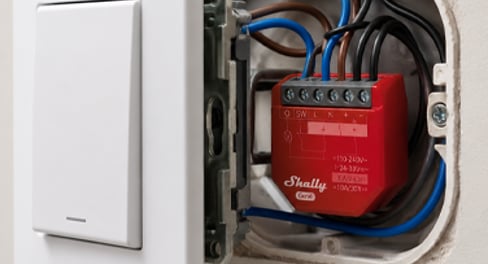
Behind the switch
Fits in the wall cavity behind an existing switch or power point. The switch on the wall stays and still works; the relay sits behind it and makes the circuit smart.
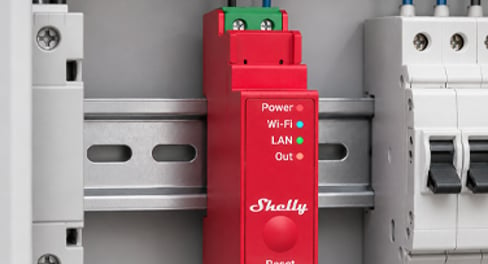
In the switchboard
Clips onto the standard rail in your switchboard, next to the circuit breakers. Keeps everything in one serviceable spot, which suits whole-home installs and bigger jobs.
What's a channel?
A channel is one output the device controls on its own. On a relay, each channel switches one circuit, so a 2-channel relay runs two lights separately. On an LED strip controller, each channel drives one colour line of the strip.
What does energy monitoring do?
The relay measures how much power the circuit is drawing and reports it in the app, so you can see what a heater or pool pump actually costs to run and build automations around usage. Models without it still switch as normal; they just don't measure.
Specifications & Installation
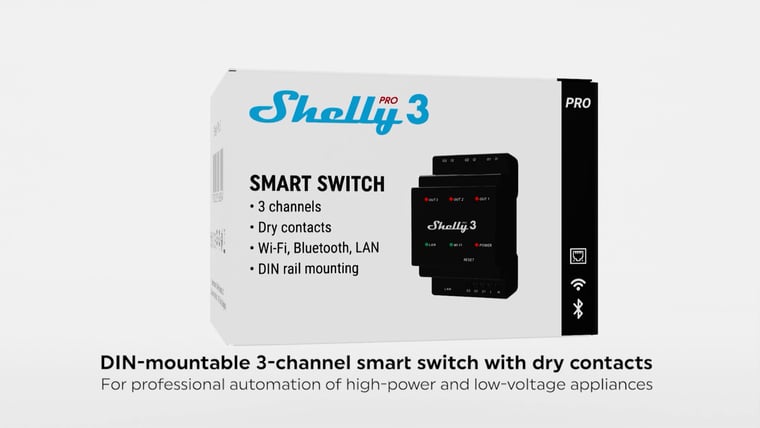
Setup · 2:25
How to install it
Shelly's own step-by-step install, from isolating the power to mounting it on the DIN rail and wiring it in.
Watch setup videoNo specifications match.
Build
- Type
- Module
- Module size
- 3 modules
- Channels
- 3 channels Also available: One channel · Two channels
- Form
- DIN-rail
- Housing material
- Plastic
- Power
- Hardwired
- Supply voltage
- 110–240 V
- Standby power
- 3 W
- Generation
- Gen2
- Max current per circuit
- 16 A
- Neutral required
- Yes
- Power supply voltage DC
- N/A
- Neutral not needed
- No
- Dry-contact mode
- Yes
- Energy monitoring
- No
- Drives blinds & shutters
- No
- Local control
- Yes
- Standard
- 802.11 b/g/n
- Range (indoors)
- 30 metres
- Version
- 4.2
- Range (indoors)
- 10 metres
- Operating temperature
- -20–40 °C
- Operating humidity
- 30–70 % RH
- Max altitude
- 2000 metres
- Size (HxWxD)
- 96x53x59 ±0.5 mm / 3.78x2.01x2.32 ±0.02 in
- Mounting
- DIN rail
- Screw terminals max torque
- 0.4 Nm / 4.43 lbin
- Conductor cross section
- 0.5 to 2.5 mm² / 20 to 14 AWG
- Conductor stripped length
- 6 to 7 mm / 0.24 to 0.28 in
- Color
- Black
- Max switching voltage AC
- 240 V
- Max switching voltage DC
- 30 V
- Max switching current AC
- 16 A per channel, 48 A total
- Max switching current DC
- 16 A per channel, 48 A total
- Internal-temperature sensor
- Yes
- RF band
- 24010- 2495 MHz
- Max. RF power
- <20 dBm
- CPU
- ESP32-D0WDQ6
- Flash
- 8 MB
- Schedules
- 20
- Webhooks (URL actions)
- 20 with 5 URLs per hook
- Scripting
- Yes
- MQTT
- Yes
- CoAP
- No
- SKU
- SHE-RLY-0014
- MPN
- SPSW-003XE16EU
- Barcode
- 3800235268094
What you can do with it

A warm towel rail on winter mornings
Schedule the rail for weekday mornings and it's warm when you step out of the shower, off again before you leave. No more discovering it's been heating an empty house all day. Control with any of

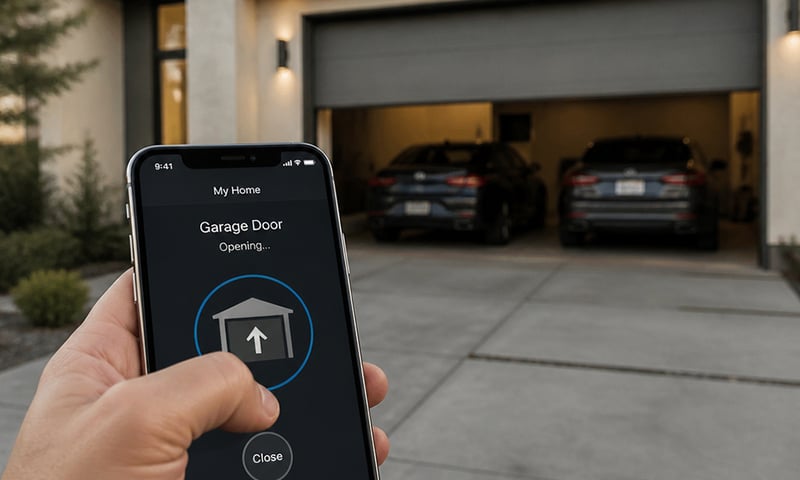
Open the garage door or gate from your phone
Wire the relay across the opener's button terminals and the roller door, swing gate or door release answers your phone as well as the wall button. Pair it with a contact sensor and you'll also know whether the door is actually shut. Control with any of 
Outdoor lights on at sunset, off at midnight
Porch, path and garden lights follow the sun through the year without you touching a switch. Run the lights you have from a Shelly relay, or fit Philips Hue outdoor lights, and set it up in their app or Home Assistant. Control with any of 
Common questions
Quick answers before you buy. We test this gear ourselves. Can't find yours? Ask our Melbourne team
Yes, and it's a familiar job for one. Pro models clip onto the DIN rail in your switchboard like any other module, and in Australia switchboard work is done by a licensed electrician.
In the switchboard. Pro models mount on a DIN rail alongside your breakers and add an Ethernet port for wired control, which is the right shape for whole-home and multi-circuit installs.
Yes. The output is a potential-free (dry) contact, so it can safely trigger garage door openers, gate motors and other low-voltage control circuits as well as switching mains loads.
No. It connects to your Wi-Fi and works from the Shelly app with no hub and no subscription. Schedules and automations run on the device itself, so they keep working if the internet drops out.
Shelly · Pro 3 Smart Relay